The 6-Minute 39 Second Trap: Don’t Search for Fatima Jatoi’s Viral Video!
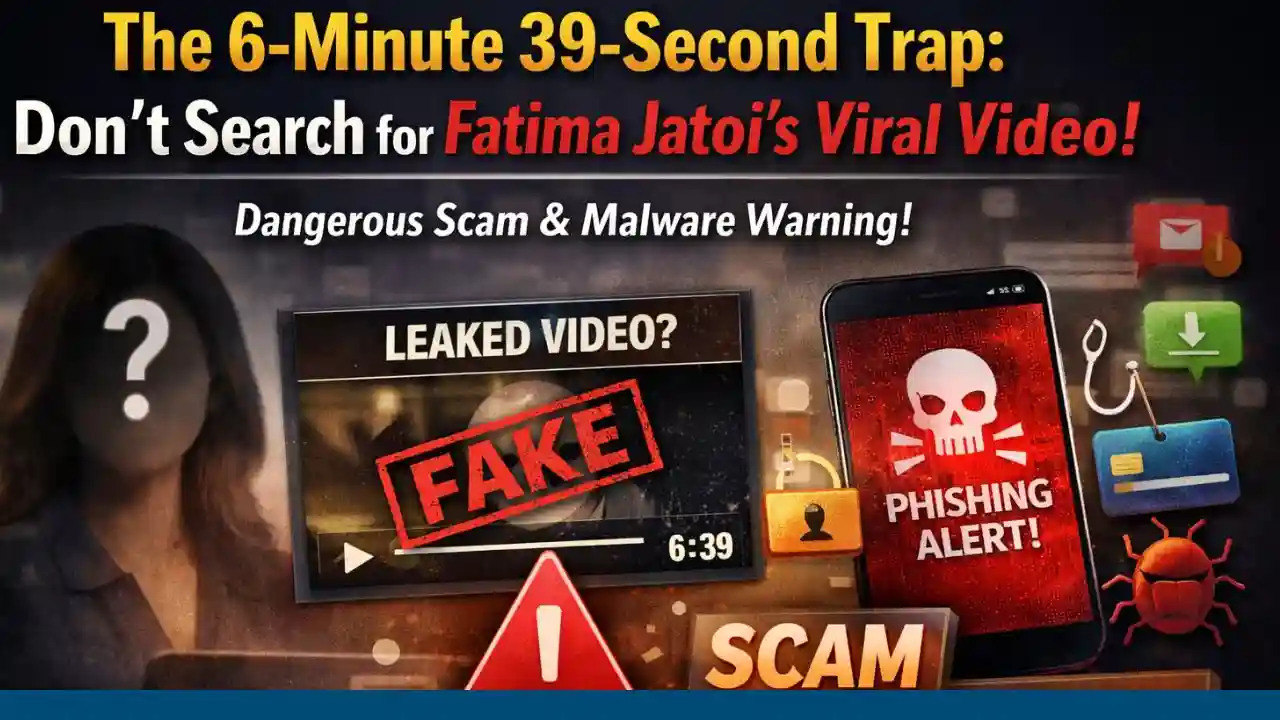
The 6-Minute 39 Second Trap has been spreading rapidly across Google search results, WhatsApp groups, Facebook pages, TikTok comments, and Telegram channels. It is commonly referred to as “The 6-Minute 39-Second Fatima Jatoi Viral Video.”
Thousands of users are searching for this phrase every day, driven by curiosity, shock value, and misleading headlines. However, what many people do not realize is that this viral search term is actually a trap—designed to exploit users through scams, fake websites, malware links, and privacy theft.
What Is the “6-Minute 39-Second Fatima Jatoi Viral Video” Search Trap?
The so-called Fatima Jatoi viral video does not originate from any verified news source, official social media account, or credible platform. The phrase “6 minutes 39 seconds” is deliberately used to make the content appear real, specific, and authentic.
In reality:
- There is no confirmed viral video of Fatima Jatoi with that length
- The claim spreads through clickbait posts and fake links
- The trend is powered by curiosity manipulation tactics
Cybercriminals know that people are more likely to click when a video is described with an exact duration, creating urgency and authenticity in the viewer’s mind.

Why People Are Searching for Fatima Jatoi’s Viral Video
Several psychological factors push people to search for such content:
1. Curiosity Gap
The human brain naturally wants to “fill in missing information.” When users see phrases like “6-minute leaked video” or “full clip before delete,” curiosity takes over.
2. Social Media Pressure
When trending hashtags appear repeatedly, users assume the content must be real.
3. Fear of Missing Out (FOMO)
People worry that others have already seen something controversial while they haven’t.
Scammers understand these behaviors and exploit them intentionally.

How the 6-Minute 39-Second Viral Video Scam Works
Once a user searches for Fatima Jatoi viral video, the scam typically follows a predictable pattern:
Step 1: Fake Search Results
Users land on suspicious websites with headlines like:
- “Watch Fatima Jatoi Full Viral Video (6:39)”
- “Original Clip Leaked – Must Watch”
Step 2: Clickbait Landing Pages
These pages show fake video thumbnails with blurred images and countdown timers.
Step 3: Forced Actions
Users are asked to:
- Click “Verify You’re Human”
- Share the link on WhatsApp
- Install unknown apps
- Allow browser notifications
Step 4: Damage Occurs
This can lead to:
- Mobile malware installation
- Social media account hacking
- Unauthorized subscriptions
- Personal data theft

Why You Should Never Search for Viral Leaked Videos
Searching for viral leaked videos—especially those linked to private individuals—can cause serious harm.
Privacy Violations
Many such trends target fake identities or innocent people, damaging reputations without evidence.
Cybersecurity Threats
These searches often expose users to:
- Phishing scams
- Spyware
- Banking trojans
- Fake payment pages
Legal Consequences
Accessing or sharing explicit or leaked content can violate:
- Cybercrime laws
- Defamation laws
- Digital privacy regulations

Is Fatima Jatoi a Real Person?
In most cases, names used in viral video scams are either fictional or stolen identities. Scammers often select common names to make the story believable while avoiding accountability.
No verified public figure, journalist, or law enforcement authority has confirmed:
- A viral video
- A leaked clip
- Any incident related to “6 minutes 39 seconds”
How Scammers Use Video Lengths to Manipulate Users
The specific duration “6 minutes 39 seconds” is not random.
Scammers use:
- Exact timestamps to increase credibility
- “Full video” wording to imply exclusivity
- “Before delete” language to create urgency
This technique is commonly used in fake celebrity scandals, deepfake hoaxes, and romance bait scams.
Signs That a Viral Video Link Is Fake
Always watch for these red flags:
- No verified source or official account
- Websites with excessive ads and pop-ups
- Requests to download apps or browser extensions
- Forced sharing before watching
- Poor grammar and sensational language
If you see these signs, close the page immediately.
How to Protect Yourself From Viral Video Scams
Use Trusted Sources
Only rely on:
- Reputable news websites
- Verified social media accounts
- Official statements
Avoid Clicking Unknown Links
Never click links from:
- WhatsApp forwards
- Telegram groups
- Random Facebook comments
Enable Browser Protection
Use:
- Antivirus software
- Safe browsing settings
- Ad blockers
Educate Others
Inform friends and family—especially teenagers—about such digital traps.
The Real Harm Behind Viral Video Hoaxes
Beyond scams, these trends cause real-world damage:
- Emotional stress for targeted individuals
- Misinformation spread
- Digital harassment
- Loss of trust in online content
Clicking and sharing such content keeps the scam alive.
Conclusion: Stay Smart, Stay Safe Online
The 6-Minute 39-Second Fatima Jatoi Viral Video is not entertainment—it is a carefully designed online trap. Searching for or sharing such content only benefits scammers while putting your privacy, security, and reputation at risk.
In the digital age, curiosity without verification can be dangerous. Always think before you click, question viral claims, and protect yourself from misleading online trends.
Frequently Asked Questions (FAQs)
1. Is the Fatima Jatoi 6-minute 39-second viral video real?
No, there is no verified or authentic video confirmed by credible sources.
2. Why is this video trending on Google and social media?
Because scammers are artificially boosting searches using clickbait tactics.
3. Can watching such viral videos harm my phone or data?
Yes, many links contain malware, spyware, or phishing traps.
4. Are these viral video trends illegal?
Sharing or accessing leaked or fake content can violate cybercrime and privacy laws.
5. What should I do if I already clicked a suspicious link?
Immediately scan your device, change passwords, and remove unknown apps.