
State Bank of Pakistan Fined Rs 5 Lakh Over Paternity Leave Case
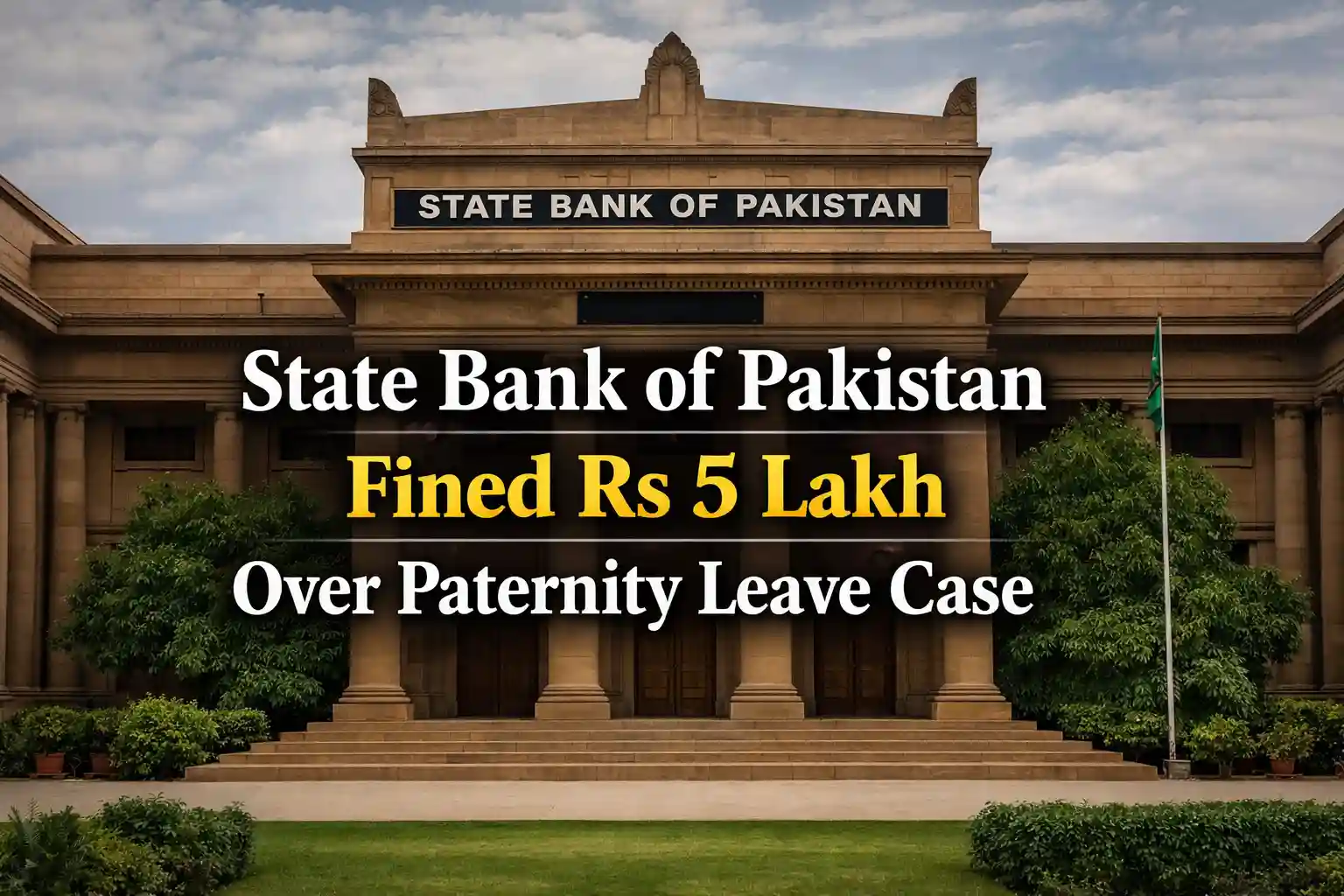
The State Bank of Pakistan fined Rs 5 lakh over paternity leave case has become one of the most discussed labor law developments in Pakistan in 2026. This case highlights the importance of employee rights, workplace equality, and enforcement of family-friendly policies in both public and private sector institutions.
The decision has sparked nationwide debate about paternity leave laws in Pakistan, employer responsibilities, and the legal consequences of denying parental rights to employees. In this detailed guide, we explain what happened, why the fine was imposed, what the law says about paternity leave, and what this means for employers and employees across the country.
State Bank of Pakistan Fined Rs 5 Lakh Over Paternity Leave Case – What Happened?
The case emerged when an employee raised a complaint regarding the denial of paternity leave benefits. After legal review and proceedings, the relevant authority imposed a Rs 500,000 fine on the State Bank of Pakistan (SBP) for failing to comply with applicable labor and parental leave regulations.
The ruling emphasized that:
- Employees have legal rights to parental leave.
- Employers must comply with federal or provincial labor laws.
- Non-compliance can result in financial penalties.
- Government institutions are not exempt from labor laws.
This landmark decision reinforces accountability and highlights the growing importance of work-life balance policies in Pakistan.

Understanding Paternity Leave Law in Pakistan
What Is Paternity Leave?
Paternity leave allows a father to take paid or unpaid leave from work following the birth of a child. The purpose is to:
- Support the mother during recovery
- Assist with newborn care
- Promote family bonding
- Encourage shared parenting responsibilities
Legal Framework for Paternity Leave in Pakistan
Pakistan has gradually moved toward recognizing paternal rights through legislative reforms. The most important law related to this matter is:
- Paternity Leave Act 2023 (Federal Level) – Provides male employees in certain sectors the right to paid paternity leave.
Although implementation may vary between provinces and institutions, the federal government has introduced policies to encourage gender equality and family welfare.
The SBP fine case shows that these laws are no longer symbolic — they are enforceable.

Why Was the State Bank of Pakistan Fined Rs 5 Lakh?
The fine was reportedly imposed due to:
- Failure to grant legally entitled paternity leave.
- Administrative negligence in policy implementation.
- Violation of employee welfare rights.
- Non-compliance with updated parental leave regulations.
The decision sends a strong message that even large regulatory institutions must strictly follow employment laws.

Impact of the Rs 5 Lakh Fine on Government Institutions
The penalty has wider implications beyond SBP. It affects:
- Government departments
- Public sector organizations
- Semi-government institutions
- Autonomous regulatory bodies
- Private companies reviewing HR policies
This case may encourage organizations to:
- Review their HR manuals
- Update parental leave policies
- Train HR staff on compliance
- Avoid future legal risks
Employers now understand that ignoring employee welfare laws can lead to financial and reputational damage.

Why Paternity Leave Is Important for Workplace Equality
Promoting Gender Equality
Paternity leave promotes equal parenting roles. Traditionally, childcare responsibilities were seen as the mother’s duty. However, modern labor policies aim to balance responsibilities between parents.
Improving Employee Morale
Employees who receive support during major life events are more loyal and productive. Studies globally show that family-friendly policies improve:
- Job satisfaction
- Mental health
- Retention rates
- Workplace culture
Strengthening Family Support Systems
Allowing fathers time off after childbirth supports maternal health and child development.
How This Case Strengthens Labor Law Enforcement in Pakistan
The SBP fine sets an important precedent:
- Labor laws are enforceable.
- Public institutions are accountable.
- Employee complaints can lead to legal action.
- Regulatory oversight is strengthening.
This reflects a broader shift toward improving employee rights in Pakistan.
Employee Rights in Pakistan – What Workers Should Know
If you are an employee in Pakistan, you should:
- Review your organization’s leave policy.
- Check federal and provincial labor laws.
- Document any leave denial.
- File a complaint with relevant authorities if necessary.
- Consult a labor lawyer if rights are violated.
Employees must understand that legal protection exists, but awareness is key.
Employer Responsibilities Under Paternity Leave Law
Employers should:
- Update HR policies according to the latest laws.
- Clearly communicate leave entitlements to staff.
- Maintain proper documentation.
- Avoid discriminatory practices.
- Ensure HR compliance audits are conducted regularly.
Ignoring legal obligations can result in:
- Monetary fines
- Legal action
- Media criticism
- Damage to institutional reputation
Public Reaction to the State Bank of Pakistan Fine
The case received attention across social media and news platforms. Public reaction has generally focused on:
- Support for employee rights
- Demand for better enforcement
- Encouragement for other institutions to comply
- Debate about expanding paternity leave benefits
Many believe this case is a positive step toward workplace reform.
Future of Paternity Leave in Pakistan
The fine imposed on SBP may trigger broader reforms, including:
- Expansion of paid paternity leave duration
- Uniform implementation across provinces
- Stronger monitoring mechanisms
- Increased awareness campaigns
- Inclusion of private sector compliance checks
Pakistan is gradually aligning with international labor standards regarding parental leave policies.
Comparison: Maternity Leave vs Paternity Leave in Pakistan
| Feature | Maternity Leave | Paternity Leave |
|---|---|---|
| Duration | Typically longer | Shorter period |
| Legal protection | Established earlier | Recently strengthened |
| Employer compliance | More common | Improving after enforcement |
| Social awareness | High | Growing |
This enforcement action may help close the gap between maternity and paternity rights.
Legal Consequences of Denying Paternity Leave
If an employer denies legally entitled paternity leave, possible consequences include:
- Financial penalties
- Legal proceedings
- Court orders
- Compensation claims
- Administrative action
The SBP case clearly demonstrates that compliance is mandatory.
How Organizations Can Avoid Similar Fines
To prevent penalties like the Rs 5 lakh fine over paternity leave case, organizations should:
- Conduct internal HR audits.
- Align policies with federal law.
- Offer training sessions for HR managers.
- Keep transparent leave approval processes.
- Consult legal advisors for compliance updates.
Proactive compliance is cheaper than legal penalties.
Conclusion – What the SBP Paternity Leave Fine Means for Pakistan
The State Bank of Pakistan fined Rs 5 lakh over paternity leave case represents a turning point in labor rights enforcement in Pakistan. It reinforces the importance of:
- Employee welfare
- Legal compliance
- Workplace equality
- Institutional accountability
This decision may influence broader reforms and encourage both public and private sector organizations to strictly follow labor laws.
The message is clear: employee rights are not optional — they are legally protected.
Frequently Asked Questions (FAQs)
1. Why was the State Bank of Pakistan fined Rs 5 lakh?
SBP was fined for failing to comply with paternity leave regulations and denying an employee’s legally entitled leave.
2. Is paternity leave legally protected in Pakistan?
Yes, federal-level policies now recognize paternity leave rights for eligible employees, and enforcement is increasing.
3. Does this fine apply only to government institutions?
No. Both public and private organizations must comply with labor laws.
4. How much paternity leave is allowed in Pakistan?
The duration may vary depending on federal or provincial laws and institutional policies.
5. Can employees file complaints if paternity leave is denied?
Yes. Employees can approach labor authorities or seek legal advice if their rights are violated.
6. What lesson does this case give to employers?
Employers must ensure full compliance with updated HR and labor policies to avoid fines and legal consequences.