
Solar-Powered Charging Stations in Pakistan – A Step Toward Green Energy
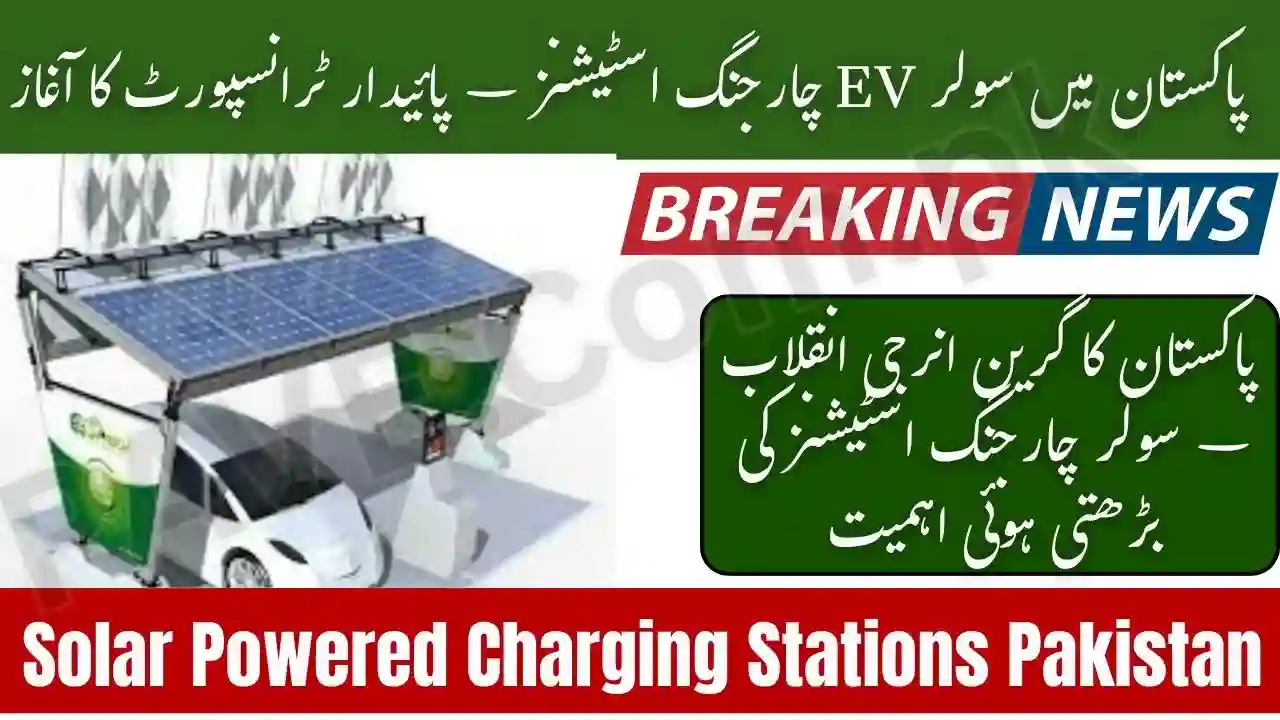
Solar Powered Charging Stations Pakistan where electricity shortages and high fuel prices affect millions daily. Rapid urbanization, vehicle growth, and rising consumption have increased the carbon footprint. To solve this, experts recommend a shift towards renewable energy, especially solar.
Solar energy is naturally abundant in Pakistan, with 8–9 hours of strong sunlight available across most regions. This makes the country ideal for off-grid solar charging stations that operate independently, reduce electricity costs, and support EV adoption.
With the launch of EV policies, green mobility programs, and renewable energy incentives, solar-powered charging stations in Pakistan are becoming the backbone of a cleaner transportation ecosystem.
What Are Solar-Powered Charging Stations? – Key Concept Explained
Solar-powered charging stations are dedicated setups that use solar panels, inverters, and battery backup systems to generate and store electricity for charging:
- Electric bikes (E-bikes)
- Electric scooters
- Electric rickshaws
- Electric cars (EVs)
- E-buses
- Solar-powered public transport
These stations work using photovoltaic panels that convert sunlight into electrical energy. That energy is stored in batteries or supplied directly to EV chargers.
Key Features of Solar Charging Stations
- Zero fuel cost
- Off-grid and hybrid options
- Fast and slow charging ports
- Smart monitoring systems
- Battery storage for night charging
- Eco-friendly with no carbon emissions

Why Solar Charging Stations Are Becoming Popular in Pakistan?
1. Rising Fuel Costs
Petrol and diesel prices have increased significantly, causing transportation spending to rise. Solar EV charging eliminates fuel costs completely.
2. Frequent Electricity Load Shedding
Solar stations operate even during blackouts, making them more reliable.
3. Environmental Benefits
They reduce air pollution and carbon emissions.
4. Growth in EV Adoption
Pakistan is encouraging EV manufacturing and charging infrastructure.
5. Government Incentives
Tax relief, subsidies, duty reductions, and EV policy benefits support this sector.

How Solar Charging Stations Work? – Step-by-Step Process
1. Solar Energy Absorption
Solar panels installed on the station capture sunlight and convert it into DC electricity.
2. Energy Conversion
An inverter converts DC into AC electricity for charging.
3. Battery Storage System
Extra energy is stored in lithium or lead-acid batteries for nighttime usage.
4. EV/Vehicle Charging
Vehicles are connected to the charging ports such as:
- Type 2
- CCS combo
- GB/T
- Fast chargers (DC)
- Slow chargers (AC)
5. Monitoring through Smart Software
Charging sessions, units produced, and power usage are recorded digitally.

Types of Solar-Powered Charging Stations in Pakistan
Pakistan offers several types of green charging systems depending on location and usage.
1. Residential Solar Charging Stations
Installed at homes for personal EV charging.
- Low cost
- 3–5 kW required
- Perfect for e-bikes, scooters, small cars
2. Commercial Solar Charging Stations
Large-scale systems for:
- Shopping malls
- Housing societies
- Offices
- Fuel stations
Provide both AC and DC charging.
3. Public Solar Charging Stations
Owned by government or private companies:
- Along highways
- Inside transport terminals
- At metro bus stations
- At universities and hospitals
4. Solar-Powered Charging for Public Transport
Many Pakistani cities are planning:
- Solar-powered bus charging depots
- Solar EV taxi chargers
- Solar rickshaw stations
5. Mobile Solar Charging Stations (Portable)
Used in remote villages or for events:
- Mounted on vans or trucks
- Provide emergency EV charging

Benefits of Solar-Powered Charging Stations in Pakistan
1. Environmentally Friendly
No greenhouse gases, carbon emissions, or pollution.
2. Cost-Effective
Once installed, the system provides free power for 25 years.
3. Reduced Load on National Grid
Stations generate their own electricity, helping reduce energy burden.
4. Promotes EV Usage
Consumers feel confident buying EVs when reliable charging options exist.
5. Excellent for Rural Pakistan
Remote villages without grid electricity can use solar charging for:
- Electric agricultural vehicles
- Tube wells
- Electric bikes
- Rural transport
6. Lower Operational Costs
Businesses save money by switching to solar-powered charging systems.
Solar Charging Station Setup Cost in Pakistan (2025 Estimate)
Below is the average cost:
| System Size | Charging Capability | Estimated Cost (PKR) |
|---|---|---|
| 3 kW | E-bikes, scooters | 350,000 – 450,000 |
| 5 kW | Small EVs, rickshaws | 550,000 – 800,000 |
| 10 kW | Cars/fast charging | 1,200,000 – 1,700,000 |
| 20 kW commercial | EV cars + rickshaws | 2,500,000 – 3,500,000 |
| 50 kW public station | Multiple EVs | 6,000,000 – 9,000,000 |
| 100 kW fast-charge solar | EV fleets | 10,000,000 – 15,000,000 |
Government Initiatives Supporting Solar Charging Stations in Pakistan
Pakistan’s government is actively promoting renewable energy:
1. National EV Policy 2030
- Duty-free import on EV chargers
- Tax reduction on EV components
- Focus on 30% EV adoption by 2030
2. Punjab Solar E-Bike and E-Rickshaw Programs
The government is building solar-powered charging hubs for e-bikes and rickshaws.
3. Karachi Electric + Private Partnerships
Multiple companies are installing solar charging units in Karachi.
4. CPEC Green Energy Corridors
China and Pakistan are planning solar charging networks along CPEC routes.
5. Public Solar Stations by Local Governments
Cities like:
- Lahore
- Islamabad
- Karachi
- Peshawar
- Faisalabad
are installing public solar charging stations.
Commercial Potential — Why Businesses Are Investing?
Businesses see solar EV charging as a profitable opportunity.
Revenue Streams Include:
- Per unit charging fees
- Monthly subscription plans
- EV battery swapping services
- Parking + charging bundles
- Solar energy selling
Popular businesses investing:
- Petrol pumps
- Restaurants
- Shopping malls
- Universities
- Housing societies
- Transport companies
Solar Charging Stations for E-Bikes & E-Rickshaws in Pakistan
Pakistan has over 3 million rickshaws and 20 million bikes, making e-mobility essential.
Solar stations help:
- Reduce fuel cost
- Reduce maintenance
- Increase daily income for drivers
- Provide clean transport
Punjab, KP, and Sindh are actively developing e-bike and e-rickshaw solar charging networks.
Read Also: Breaking News: NADRA Launches Online Biometric Verification for Islamabad Vehicle Transfers
Challenges Facing Solar Charging Stations in Pakistan
Despite growth, challenges remain:
1. High Initial Cost
Installation requires investment.
2. Limited Awareness
Many people don’t know about solar charging systems.
3. Technical Expertise Shortage
More trained technicians are needed.
4. Battery Storage Cost
Lithium batteries are expensive.
5. Policy Delays
Slow implementation reduces adoption.
Future of Solar-Powered Charging Stations in Pakistan (2025–2030)
The future looks promising. Experts predict:
1. Solar EV Corridors Across Motorways
M2, M4, M9 motorways may get solar EV charging lanes.
2. Solar-Powered Public Buses
Lahore and Karachi are testing electric buses charged through solar grids.
3. E-Bike & E-Rickshaw Revolutions
Millions of petrol bikes may shift to electric in coming years.
4. Apartment-Based Solar Charging
Housing societies will install community solar chargers.
5. Solar Battery Swapping Stations
A fast-growing global trend coming to Pakistan.
How to Install a Solar EV Charging Station in Pakistan – Step-by-Step Guide
Step 1: Load Calculation
Identify what you want to charge (bike, rickshaw, or car).
Step 2: Solar System Size
Choose between 3 kW – 100 kW.
Step 3: Site Survey
Evaluate rooftop or ground space.
Step 4: Equipment Purchase
Buy:
- Solar panels
- Inverter (hybrid recommended)
- Battery bank
- EV charger (AC/DC)
Step 5: Installation
Hire a certified solar installer.
Step 6: Testing & Approval
System is tested for safety and performance.
Step 7: Start Charging
Your solar station becomes operational.
FAQs – Solar-Powered Charging Stations in Pakistan
1. How much does a solar EV charging station cost in Pakistan?
A small 3–5 kW home-based station costs PKR 350,000 – 800,000, while a commercial 20–50 kW station costs PKR 2.5 – 9 million.
2. Can I charge my electric bike or car with a solar system?
Yes, both e-bikes and EVs can be charged through solar power.
3. How long does it take to charge an EV using solar?
Charging time depends on charger type:
AC slow charger: 6–10 hours
DC fast charger: 40–90 minutes
4. Do solar charging stations work at night?
Yes, if battery storage is installed.
5. Is solar charging cheaper than grid electricity?
Yes — after installation, solar charging is almost free for 20–25 years.
6. Are there government subsidies for solar EV charging?
Yes, incentives under EV Policy 2030 support renewable charging infrastructure.