Sindh Bans Commercial and Residential Use of Private School Buildings 2025-26
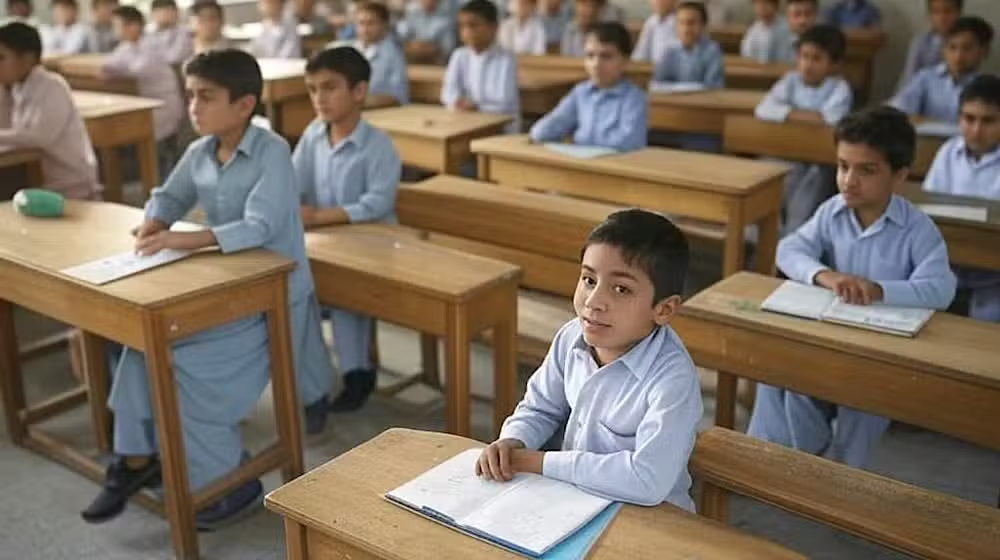
The Sindh government has officially banned the commercial and residential use of private school buildings, marking a major policy move aimed at protecting students, improving safety standards, and ensuring that school premises are used strictly for educational purposes.
The decision has quickly become a trending topic on Google, with people searching for Sindh school building ban, commercial use of private schools, Sindh education rules, and private school regulations Sindh.
This article explains what the ban means, why it was introduced, who it affects, how it will be enforced, and what school owners and parents should know, all written in easy English.
What Has Sindh Government Announced?
The Sindh government has directed that private school buildings must not be used for any commercial or residential purpose. This means that school premises can no longer be used as:
- Shops or offices
- Warehouses
- Marriage halls
- Residential apartments
- Hostels unrelated to schooling
- Rental properties
Schools must operate only as educational institutions.
Authority Behind the Decision
The decision was issued through the Sindh School Education and Literacy Department, which regulates public and private educational institutions across the province.
Officials stated that the move is part of broader reforms to improve safety, discipline, and quality in private schools.

Why Sindh Banned Commercial and Residential Use of School Buildings
Authorities cited several serious concerns that led to this ban.
Student Safety Risks
Commercial and residential activities inside school buildings:
- Increase security risks
- Allow uncontrolled public access
- Create unsafe environments for children
Student safety is the top priority behind the decision.
Violation of Building Codes
School buildings are approved for educational use only. Commercial or residential use:
- Violates building safety approvals
- Breaks zoning laws
- Increases fire and structural risks
Many buildings were never designed for mixed use.
Disruption of Learning Environment
Non-educational activities:
- Create noise and crowding
- Distract students
- Reduce discipline and focus
Education officials say learning environments must remain quiet, controlled, and purpose-built.
Misuse of Educational Licenses
Some private schools were found:
- Renting out floors
- Running businesses after school hours
- Housing families or staff permanently
Officials said this practice misuses school registration privileges.

What Types of Use Are Now Banned?
Under the new directive, the following are strictly prohibited in private school buildings:
Commercial Activities
- Shops and stores
- Coaching centers not registered as schools
- Offices
- Clinics or labs
- Event halls
Residential Activities
- Living quarters for owners
- Rental apartments
- Staff families residing inside schools
- Hostels not approved by authorities
Only activities directly related to schooling are allowed.

What Is Allowed Inside Private School Buildings?
The government clarified that schools may continue using buildings for:
- Classrooms
- Laboratories
- Libraries
- Staff rooms
- Administrative offices
- Approved hostels (if licensed separately)
Any use outside education must have separate approval and premises.
Impact on Private School Owners
The decision has significant implications for school management.
Required Actions for School Owners
- Vacate commercial tenants
- End residential arrangements
- Restore buildings to educational use
- Update compliance records
Failure to comply may result in penalties.
Penalties for Violations
- Fines
- Suspension of school registration
- Sealing of premises
- Legal action
Enforcement will be carried out district by district.
How Will the Ban Be Enforced?
The Sindh government has instructed:
- District education officers
- School inspection teams
- Local administrations
to conduct physical inspections and verify compliance.
Schools found violating rules will be issued notices and given time to comply before stricter action is taken.
Timeline for Compliance
Although an exact deadline may vary by district, officials indicated:
- Schools will be given short compliance windows
- Repeat violations will face immediate penalties
School owners are advised to act without delay.
Impact on Students and Parents
Positive Impact
- Safer school environment
- Reduced outsider access
- Better focus on education
Parents have largely welcomed the decision, citing safety concerns.
Temporary Adjustments
Some schools may:
- Relocate offices
- Adjust facilities
- Restructure building usage
Authorities say education activities should not be disrupted.
Reaction From Education Experts
Education experts say the move:
- Aligns with global school safety standards
- Improves institutional discipline
- Strengthens regulatory oversight
They stress that schools must remain education-only spaces.
Private School Regulation in Sindh
Sindh has been gradually tightening private school regulations to:
- Improve quality
- Standardize safety
- Ensure legal compliance
This ban is part of a broader reform agenda.
Why This Issue Is Trending on Google
Search interest surged because:
- Thousands of private schools are affected
- Safety concerns resonate with parents
- Commercial misuse was widespread
Popular searches include:
- Sindh bans commercial use of school buildings
- Private school building rules Sindh
- Sindh education department notification
- School building misuse ban
Comparison With Other Provinces
Other provinces have also taken steps to:
- Regulate private schools
- Enforce zoning laws
- Improve student safety
Sindh’s move is seen as one of the strictest so far.
What School Owners Should Do Now
School management should:
- Review building usage
- Consult legal advisors if needed
- Inform tenants to vacate
- Cooperate with inspection teams
Early compliance can prevent penalties.
Long-Term Benefits of the Ban
Experts believe the ban will:
- Improve safety standards
- Restore trust in private schools
- Create better learning environments
- Strengthen education governance
In the long run, students benefit the most.
Final Thoughts
The decision to ban commercial and residential use of private school buildings in Sindh sends a clear message: schools are for education, not business or housing. While the move may require adjustments from school owners, it aims to protect students, improve discipline, and ensure legal compliance.
Parents, educators, and policymakers largely agree that student safety must always come first.
FAQs – Sindh Private School Building Ban
What has Sindh government banned?
Sindh has banned commercial and residential use of private school buildings.
Who issued the ban?
The Sindh School Education and Literacy Department issued the directive.
Are all private schools affected?
Yes, all registered private schools in Sindh must comply.
What happens if a school violates the ban?
Violations can lead to fines, suspension, sealing of premises, or legal action.
Are hostels allowed in school buildings?
Only if they are separately approved and licensed.