Russia Restricts Access to WhatsApp and Telegram
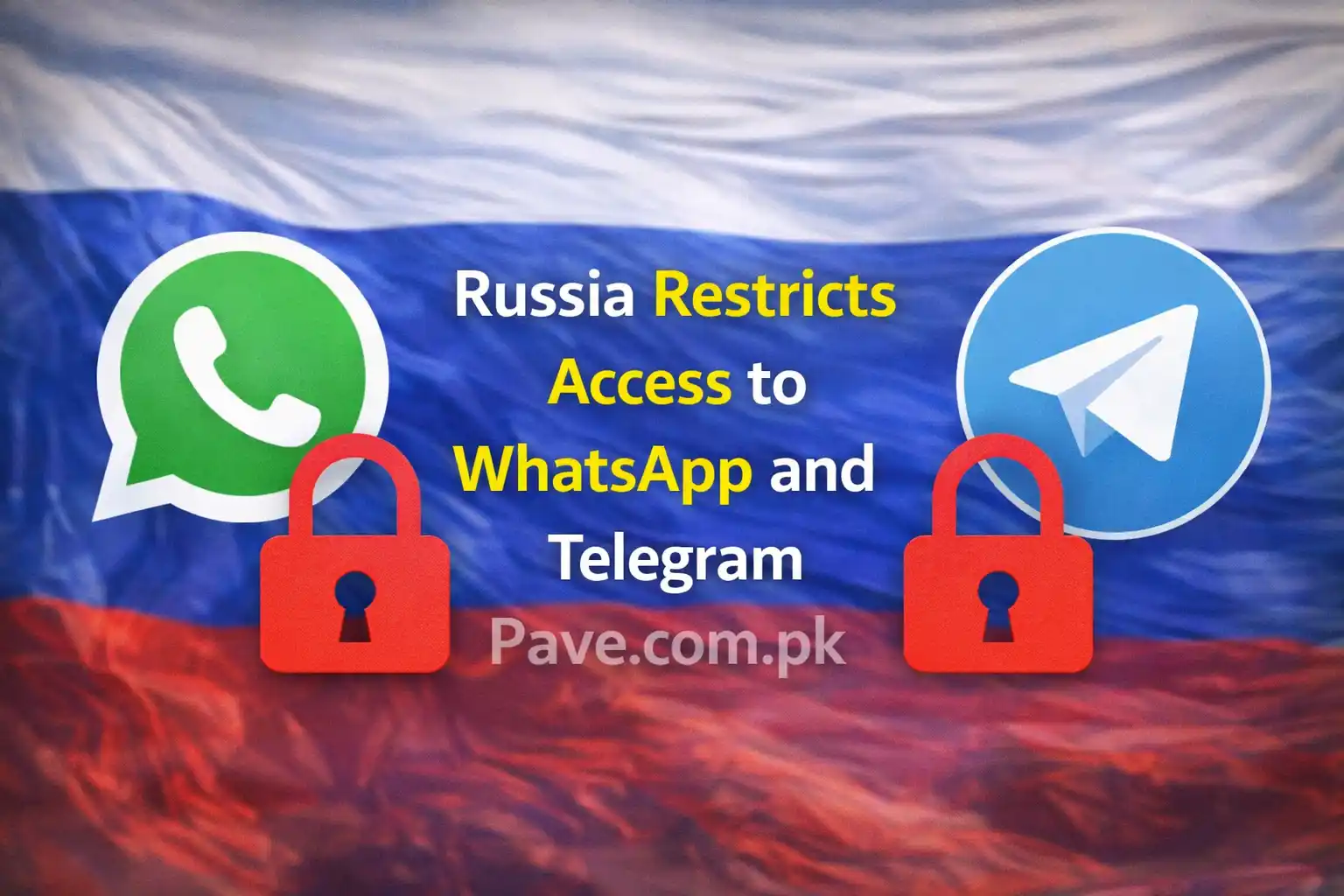
As of February 13, 2026, Russia has intensified its push for “digital sovereignty” by restricting major foreign messaging platforms and accelerating adoption of a domestic super-app. Here’s a detailed breakdown of what’s happening, why it matters, and what it means for users.
📵 WhatsApp: Fully Blocked
On February 11, 2026, Russia’s communications regulator Roskomnadzor removed WhatsApp from the National Domain Name System (NSDS).
🔎 What That Means
- Devices inside Russia can’t resolve WhatsApp’s server addresses.
- The app won’t connect without technical workarounds (such as VPNs).
- Millions of users lost access almost immediately.
🏛️ Official Justification
The Kremlin, through spokesperson Dmitry Peskov, cited alleged non-compliance by WhatsApp’s parent company Meta with Russian laws on:
- Data localization
- Removal of content labeled extremist
🔐 WhatsApp’s Position
WhatsApp described the move as a step backward, arguing it weakens user privacy by steering citizens toward state-controlled alternatives.

📡 Telegram: Throttled, Not Fully Blocked (Yet)
Unlike WhatsApp, Telegram remains accessible but heavily restricted.
⚙️ Current Restrictions
- Confirmed throttling by Roskomnadzor
- Media files load slowly or fail
- Voice notes and calls disrupted
💰 Legal Pressure
A Moscow court fined Telegram over 64 million rubles for failing to remove content deemed criminal or extremist.
⚔️ Internal Tensions
Telegram is widely used by:
- Military personnel
- War correspondents
- Pro-government bloggers
This has created friction within Russia’s own ecosystem, as the platform is strategically important.

📲 The Real Goal: Mass Migration to “Max”
The centerpiece of this strategy appears to be the rapid adoption of Max, a state-backed super-app developed by VK.
🧩 What Is Max?
Modeled after China’s WeChat, Max integrates:
- Messaging
- Banking
- Digital identity
- Government services (via Gosuslugi)
📌 Mandatory Expansion
- Pre-installed on smartphones sold in Russia since September 2025
- Required for many public-sector employees
- Integrated with domestic telecom systems
🔍 Surveillance Concerns
Privacy advocates argue that Max:
- Does not offer full end-to-end encryption
- Is linked to Russia’s SORM interception system
- Allows potential real-time access by security services
📊 Messaging Landscape in Russia – February 2026
| Platform | Status | Accessibility |
|---|---|---|
| Fully Blocked | VPN required | |
| Telegram | Throttled | Partial access; VPN advised |
| YouTube | Blocked/Restricted | Limited access |
| Max | Fully Operational | No VPN needed |
🌍 Why This Matters Globally
1️⃣ Digital Sovereignty Model
Russia is building a closed-loop digital ecosystem, reducing dependence on Western tech firms.
2️⃣ Data Localization Enforcement
Foreign companies face increasing compliance pressure regarding:
- Server location
- Content moderation
- State oversight
3️⃣ VPN Arms Race
Roskomnadzor has reportedly restricted hundreds of VPN providers, escalating digital control efforts.
✈️ Advice for Travelers & Residents
If you’re entering Russia:
- Install reputable VPN services before arrival
- Keep backup communication apps
- Understand that some services may degrade unexpectedly
- Be cautious with sensitive communication
Note: VPN usage regulations may change rapidly.
🧠 Strategic Outlook
The crackdown signals:
- Expansion of state-controlled digital infrastructure
- Reduced reliance on Western platforms
- Greater alignment with China-style tech governance
The long-term impact will depend on:
- Public adoption rates of Max
- Effectiveness of VPN enforcement
- International corporate responses