Rs 13,000 Ramzan Relief Package Approved to Support Low-Income Families
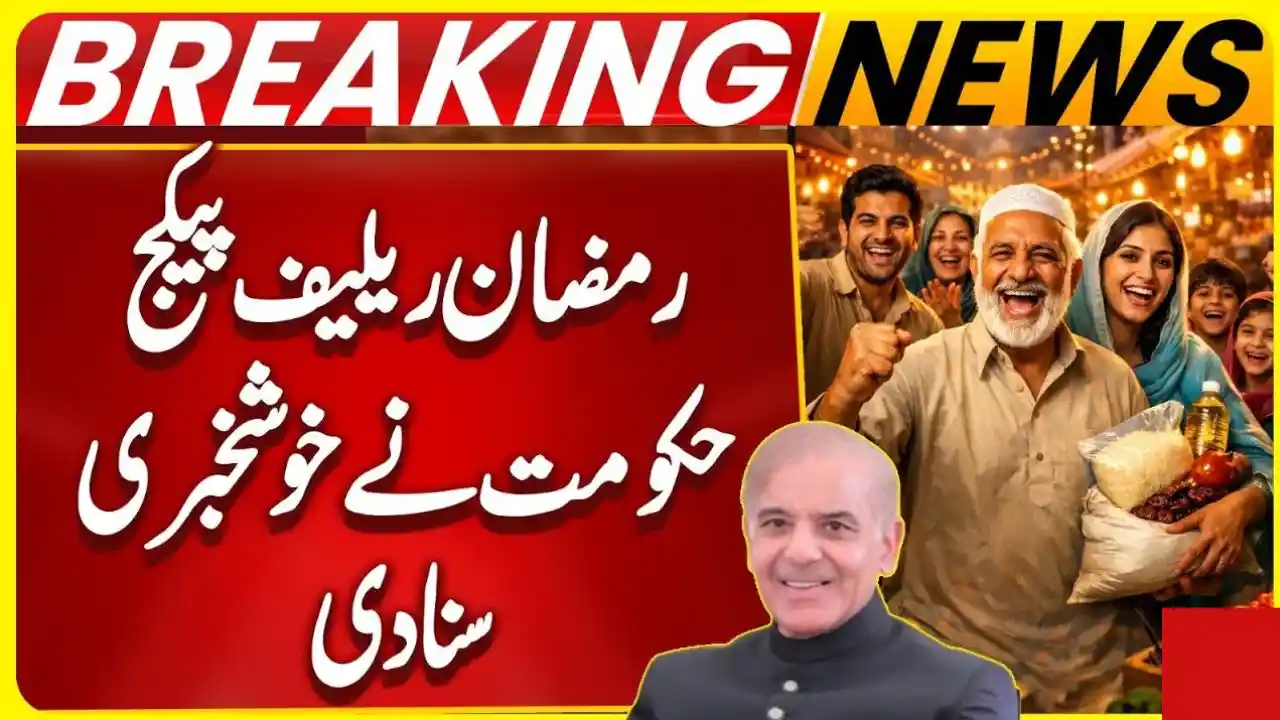
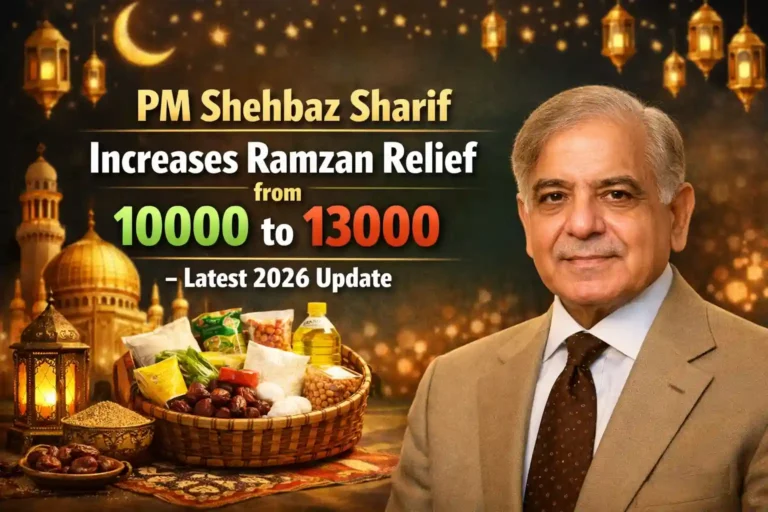
The government has approved a Rs 13,000 Ramzan Relief Package aimed at helping low-income households manage expenses during the holy month of Ramzan. With inflation continuing to affect food and household costs, this initiative is designed to provide timely financial support so deserving families can meet essential needs with dignity.
Ramzan is a time when household spending increases, especially on food items for Sehri and Iftar. For many struggling families, managing these extra expenses becomes difficult. To ease this burden, authorities have decided to provide direct financial assistance rather than only offering subsidies on selected goods.
This article explains everything citizens need to know, including eligibility, registration, payment method, and how families can benefit from this relief program.
Why the Ramzan Relief Package Was Introduced
Over the past few years, rising inflation has significantly increased the cost of basic commodities. Essential food items such as flour, sugar, oil, pulses, meat, and vegetables have become more expensive, putting pressure on families already living on limited incomes.
The government’s goal with this package is to:
• Help families afford essential food items during Ramzan
• Provide direct financial relief instead of limited utility store subsidies
• Support deserving households through transparent distribution
• Reduce financial stress during the holy month
Authorities believe cash assistance gives families flexibility to buy what they actually need rather than being restricted to selected subsidized items.

Amount of Assistance Under the Package
Under the approved program, each eligible family will receive Rs 13,000 as financial support.
This amount is meant to help households purchase essential groceries and daily necessities during Ramzan. Families can use the money according to their own needs, whether for food supplies, utility bills, or other household expenses.

Who Is Eligible for the Rs 13,000 Assistance?
Eligibility focuses on low-income and financially vulnerable households. Likely beneficiaries include:
• Families already registered under social welfare databases
• Low-income households with limited monthly income
• Daily wage earners facing financial hardship
• Widows, disabled individuals, and vulnerable citizens
• Families previously benefiting from government assistance programs
In most cases, households already registered under national welfare programs have a higher chance of selection since their financial status is already verified.
Citizens are advised to ensure their registration details are updated to avoid missing assistance.
Registration Process for the Relief Package
Authorities typically distribute assistance through existing social welfare systems to avoid duplication and fraud. Registration methods usually include:
Existing Welfare Databases
Families already registered in national support programs may automatically qualify without needing to apply again.
SMS Registration Systems
Sometimes authorities open SMS registration portals where citizens send their CNIC number to a designated code for verification.
Online Registration Portals
Government portals may also be used for registration or status checking.
Local Administration Support
District offices and local administrative centers sometimes assist families with registration and verification.
Citizens should always rely on official announcements rather than social media messages to avoid scams.
How Will Payments Be Distributed?
Distribution methods aim to ensure transparency and prevent misuse. Payments are generally provided through:
• Bank transfers into beneficiary accounts
• Mobile wallet services
• Designated payment centers
• Authorized cash distribution points
Beneficiaries usually receive SMS notifications informing them when and where assistance can be collected.
Authorities often spread distribution across districts to avoid overcrowding and ensure smooth operations.
Importance of Cash Assistance Instead of Subsidy
Previously, relief packages often provided subsidized goods through utility stores. However, many citizens complained about:
• Long queues at stores
• Limited stock availability
• Poor distribution management
• Travel expenses exceeding subsidy benefits
Providing cash assistance allows families to purchase items conveniently from nearby markets according to their needs.
This approach is generally seen as more practical and respectful of beneficiaries’ choices.
Steps Citizens Should Take Now
Families who may qualify for assistance should take the following steps:
Update Registration Details
Ensure CNIC and household data are correctly registered in government databases.
Avoid Fraud and Fake Messages
Do not share personal information with unknown callers or unofficial websites.
Monitor Official Announcements
Follow updates through government channels and reliable news outlets.
Keep CNIC Active and Valid
Expired identity cards can delay verification and payment processing.
Measures to Prevent Fraud in Distribution
Relief programs often face challenges due to fraudulent registrations and duplicate claims. To prevent misuse, authorities usually implement:
• Database verification systems
• CNIC validation checks
• Household income verification
• Biometric authentication during payment
These measures ensure only deserving families receive assistance.
Impact of the Relief Package on Families
For struggling households, this assistance can make a meaningful difference. The support allows families to:
• Purchase better food for Sehri and Iftar
• Manage grocery expenses without debt
• Reduce financial stress during Ramzan
• Focus on spiritual and family activities rather than financial worries
Relief packages also help stabilize markets by increasing purchasing power among lower-income groups.
Challenges in Implementing Relief Programs
Despite good intentions, relief programs sometimes face challenges such as:
• Incomplete beneficiary data
• Delays in payment distribution
• Overcrowding at payment centers
• Lack of awareness in rural areas
Authorities continue improving systems each year to ensure smoother distribution and wider coverage.
Public Expectations From the Government
Citizens generally expect relief programs to be:
• Transparent and corruption-free
• Easily accessible for deserving families
• Efficiently managed without long delays
• Expanded to include more vulnerable households
People also hope that future programs will not only provide temporary relief but also create long-term economic stability.
Advice for Citizens to Stay Safe
With every relief announcement, fake messages and fraud attempts also increase. Citizens should:
• Avoid clicking unknown registration links
• Never pay agents for assistance registration
• Use official portals and helplines only
• Verify news through trusted sources
Government assistance programs never require payment for registration.
Possible Future Expansion of Relief Programs
Experts believe relief programs may expand in future to include:
• Utility bill assistance
• Food subsidies beyond Ramzan
• Employment support programs
• Small business assistance for low-income earners
Such steps can help families achieve financial independence rather than relying solely on temporary aid.
Conclusion – Rs 13,000 Ramzan Relief Package Approved to Support Low-Income Families
The approval of the Rs 13,000 Ramzan Relief Package brings hope to millions of low-income families preparing for the holy month. By offering direct financial assistance, authorities aim to reduce economic pressure and ensure families can meet essential needs during Ramzan.
While relief packages cannot completely solve economic challenges, they provide crucial short-term support during periods of increased household spending.
Citizens are encouraged to stay informed through official announcements, ensure their registration details are accurate, and avoid fraudulent schemes claiming to offer registration services.
As Ramzan approaches, this initiative is expected to help many households observe the holy month with greater peace of mind and financial ease.