Punjab Govt Introduces Smart Safe City Surveillance in 98 Tehsils
The Punjab Govt Introduces Smart Safe City Surveillance in 98 Tehsils, marking one of the largest expansions of digital policing and public safety infrastructure in Pakistan’s history. The initiative aims to modernize law enforcement, improve traffic management, prevent crime, and enhance emergency response through advanced technology, artificial intelligence, and real-time monitoring.
This move builds on the success of the Punjab Safe Cities Authority (PSCA), which previously implemented similar systems in major urban centers like Lahore, Rawalpindi, Faisalabad, Multan, and Gujranwala. By extending the Smart Safe City Surveillance system to 98 tehsils, the Punjab government intends to bring equal safety standards to semi-urban and rural areas.
What Is the Smart Safe City Surveillance Project in Punjab?
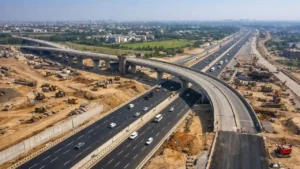
The Smart Safe City Surveillance Project is a technology-driven public safety system that integrates high-definition cameras, AI-based analytics, command and control centers, and emergency response networks.
Under this project, each selected tehsil will be equipped with:
- Advanced surveillance cameras
- Automatic Number Plate Recognition (ANPR)
- Facial recognition and behavior detection tools
- Centralized monitoring rooms
- Integrated police, rescue, and traffic response systems
The expansion to 98 tehsils represents a strategic shift from city-only coverage to province-wide digital safety governance.

Why Punjab Govt Is Expanding Smart Safe City Surveillance to 98 Tehsils
The Punjab government identified several critical challenges that prompted this expansion:
Rising Traffic Violations
Traffic accidents and violations have increased in tehsil-level towns where manual enforcement was limited.
Crime Prevention Needs
Smaller cities and tehsils often lack real-time monitoring, allowing criminal activity to go undetected.
Emergency Response Delays
Without centralized surveillance, response times for accidents, fires, and crimes were slower.
Equal Safety Access
Urban areas benefited from Safe City systems, while tehsils remained underserved.
By introducing Smart Safe City Surveillance in 98 tehsils, the government aims to close this gap and ensure uniform law enforcement standards across Punjab.

Key Features of Smart Safe City Surveillance in Punjab Tehsils
AI-Powered Surveillance Cameras
High-definition cameras with AI capabilities will monitor roads, markets, entry/exit points, and sensitive locations. These cameras can detect suspicious behavior automatically.
Automatic Number Plate Recognition (ANPR)
ANPR cameras will:
- Identify stolen or blacklisted vehicles
- Track vehicles involved in crimes
- Enforce traffic laws digitally
Facial Recognition & Behavior Analysis
The system can help law enforcement identify repeat offenders and track suspects using advanced facial recognition algorithms.
Integrated Command & Control Centers
Each region will be connected to a central command center for:
- Live monitoring
- Incident tracking
- Data analysis
- Rapid coordination with police and rescue services
Traffic Management & E-Challan System
The surveillance network will support:
- Speed monitoring
- Helmet and seatbelt detection
- Signal violations tracking
- Automatic issuance of e-challans
Role of Punjab Safe Cities Authority (PSCA)
The Punjab Safe Cities Authority (PSCA) will oversee the planning, installation, monitoring, and operation of the Smart Safe City Surveillance system.
PSCA’s responsibilities include:
- Technology procurement
- Staff training
- Data security and privacy
- Coordination with district police
- Public awareness campaigns
PSCA has already demonstrated success in major cities, where crime detection rates improved and traffic discipline increased after surveillance deployment.

Impact on Law Enforcement in Punjab Tehsils
Faster Crime Detection
Real-time alerts allow police to respond immediately to incidents instead of relying on delayed reports.
Improved Evidence Collection
Video footage provides strong legal evidence, increasing conviction rates.
Reduced Manual Policing Pressure
Digital monitoring allows police to focus on serious crimes rather than routine enforcement.
Enhanced Coordination
Police, Rescue 1122, and district administration can work from a shared platform.
How Smart Safe City Surveillance Will Improve Traffic Safety
Traffic safety is a major focus of this project. The system will:
- Automatically detect overspeeding
- Identify signal jumping
- Enforce helmet and seatbelt rules
- Track repeat traffic offenders
With e-challan integration, violators will receive penalties without roadside stops, reducing corruption and congestion.
Coverage Plan: How 98 Tehsils Are Being Selected
The Punjab government selected tehsils based on:
- Population density
- Traffic volume
- Crime statistics
- Strategic road networks
- Public safety needs
Both urbanized and rural tehsils are included to ensure balanced development.
Data Privacy and Surveillance Concerns
To address public concerns, the Punjab government has emphasized:
- Secure data storage
- Restricted access protocols
- Legal oversight of surveillance usage
- No unauthorized facial data sharing
PSCA maintains that the system is designed strictly for public safety and law enforcement, not mass surveillance.
Economic and Social Benefits of Smart Safe City Surveillance
Boost to Investor Confidence
Improved security encourages business activity and investment in tehsil-level markets.
Safer Public Spaces
Women, students, and families benefit from safer streets and markets.
Reduced Accident Costs
Fewer accidents mean lower healthcare and economic losses.
Digital Governance Advancement
The project supports Punjab’s vision of smart governance and digital transformation.
Comparison With Previous Safe City Phases in Punjab
Earlier Safe City projects focused on:
- Lahore
- Rawalpindi
- Faisalabad
- Multan
- Gujranwala
The 98-tehsil expansion is significantly broader, marking a shift from city-centric security to province-wide surveillance coverage.
Challenges in Implementing Smart Safe City Surveillance
Despite its benefits, the project faces challenges:
- Infrastructure limitations in rural areas
- Power and internet connectivity issues
- Training requirements for local staff
- Public awareness and acceptance
The government plans phased implementation to address these issues.
Future Expansion Plans Beyond 98 Tehsils
Officials have indicated that if the project succeeds, additional tehsils and districts may be included in future phases. Integration with:
- NADRA databases
- Provincial traffic systems
- Emergency health services
is also under consideration.
Conclusion: A Major Step Toward Safer Punjab
The decision to introduce Smart Safe City Surveillance in 98 tehsils represents a transformative step in Punjab’s public safety strategy. By leveraging AI, real-time monitoring, and integrated law enforcement systems, the Punjab government aims to create safer roads, reduce crime, and improve emergency response across the province.
If implemented effectively, this initiative could become a national model for smart policing and digital governance in Pakistan.
Frequently Asked Questions (FAQs)
What is Smart Safe City Surveillance in Punjab?
It is a technology-based public safety system using AI cameras, ANPR, and centralized monitoring to improve law enforcement and traffic control.
How many tehsils are included in this project?
The Punjab government has included 98 tehsils in the current phase.
Who is managing the Smart Safe City Surveillance system?
The Punjab Safe Cities Authority (PSCA) is responsible for implementation and operations.
Will traffic e-challans be issued through this system?
Yes, the system supports automatic e-challan issuance for traffic violations.
Does the system include facial recognition?
Yes, facial recognition and behavior analysis tools are part of the surveillance setup.
Is public privacy protected under this project?
The government has stated that strict data security and legal oversight measures are in place.