Punjab Govt Introduces Electric Buses 2026 – New Routes, Green Transport Push
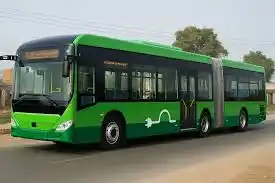
The Punjab Government has taken a major step toward sustainable and modern public transport by announcing a large-scale electric bus expansion plan for the twin cities of Rawalpindi and Islamabad in 2026. Under this initiative, a new electric bus service will be launched between Gujar Khan and Islamabad, offering commuters a clean, affordable, and reliable travel option while reducing traffic congestion and environmental pollution.
This move reflects the Punjab government’s long-term vision of green mobility, urban development, and improved regional connectivity. With electric buses already operating successfully in several cities, the new rollout is expected to significantly benefit daily commuters traveling to the twin cities for work, education, and business.
Punjab Electric Bus Project 2026 – Overview
The electric bus initiative is part of a broader transport reform program led by the Punjab Government, aimed at replacing traditional fuel-based transport with environment-friendly electric vehicles.
Key Highlights
- New electric bus service from Gujar Khan to Islamabad
- 15 modern electric buses in the first phase
- Two-way service for daily commuters
- Reduced fuel costs and emissions
- Expansion already underway in Rawalpindi and Jhelum
- Passenger-friendly and affordable fares

New Electric Bus Route: Gujar Khan to Twin Cities
According to official sources, the approved electric bus route will start from Gujar Khan Adda, pass through Mandra, and terminate at T Chowk, a major entry point connecting Rawalpindi and Islamabad via GT Road.
Route Details
- Starting point: Gujar Khan Adda
- Key stops: Mandra, GT Road corridors
- Ending point: T Chowk (Gateway to Rawalpindi & Islamabad)
- Two-way operations for convenience
This route has been selected due to high daily traffic flow and heavy reliance on private transport and outdated public vehicles.

15 Electric Buses in First Phase
In the first phase, 15 state-of-the-art electric buses will operate on the Gujar Khan–T Chowk route.
Features of Electric Buses
- Zero tailpipe emissions
- Quiet and smooth ride
- Air-conditioned interiors
- Comfortable seating
- Modern ticketing system
- Accessibility-friendly design
These buses will provide a safe, clean, and comfortable commuting experience, especially for office workers and students traveling to the twin cities.
Two-Way Connectivity for Daily Commuters
Authorities confirmed that the electric bus service will operate both ways, ensuring seamless connectivity for:
- Office workers
- Students
- Business travelers
- Daily wage earners
The two-way service is expected to reduce dependency on private vehicles, lower travel costs, and ease traffic congestion on the busy GT Road corridor.

Expansion of Electric Buses in Rawalpindi
The electric bus fleet in Rawalpindi is also set for a major expansion in 2026.
Rawalpindi Electric Bus Growth
- Current operational buses: 45
- Expected increase: Up to 80 buses
- Infrastructure upgrades underway
- Remodelling of Kutchery Chowk nearing completion
Officials report that existing routes are already serving over 26,000 passengers daily, and this number is expected to grow significantly once all ten planned routes become fully operational.
Jhelum Electric Bus Initiative
Punjab’s electric bus program is not limited to the twin cities. The government has already launched more than 15 electric buses in Jhelum city.
During the inauguration ceremony, Bilal Akbar Khan confirmed that:
- First phase covers three major routes
- Additional buses will be added next month
- Urban transport improvement remains a top priority
This expansion demonstrates the government’s commitment to balanced regional development, not just major urban centers.
Environmental Benefits of Electric Buses
Electric buses play a vital role in reducing air pollution and carbon emissions, especially in congested urban areas.
Environmental Advantages
- No fuel emissions
- Reduced noise pollution
- Improved air quality
- Lower carbon footprint
- Supports climate goals
With rising pollution levels in cities like Rawalpindi and Islamabad, electric buses are seen as a critical solution for sustainable transport.
Economic & Social Impact
The electric bus project will have a positive impact beyond transportation.
Key Benefits
- Lower travel costs for commuters
- Job creation in operations and maintenance
- Reduced fuel import bill
- Improved quality of urban life
- Encouragement of clean energy adoption
Affordable public transport also helps low- and middle-income groups, making daily travel more accessible.
Passenger Response & Future Demand
Early feedback from existing electric bus routes in Punjab has been overwhelmingly positive. Clean buses, fixed schedules, and reliable service have increased public trust in government-run transport.
With growing passenger demand, officials expect:
- Higher daily ridership
- Further route expansion
- Integration with future mass transit projects
Government’s Long-Term Vision for Electric Transport
Provincial leaders have reiterated that investments in electric buses reflect Punjab’s long-term vision for:
- Sustainable transport
- Public convenience
- Modern urban planning
- Climate-friendly development
The government plans to gradually replace older diesel buses with electric alternatives across the province.
Challenges & Infrastructure Development
While the initiative is promising, authorities acknowledge challenges such as:
- Charging infrastructure
- Power supply management
- Maintenance training
However, ongoing infrastructure upgrades and partnerships aim to address these issues effectively.
Final Words
The Punjab Govt Electric Bus Plan 2026 marks a significant milestone in Pakistan’s journey toward green and modern public transport. With new electric buses connecting Gujar Khan, Rawalpindi, and Islamabad, expanded fleets in Rawalpindi, and successful rollout in Jhelum, the province is setting an example for sustainable mobility.
This initiative not only improves daily commuting but also strengthens environmental protection, economic efficiency, and urban development. As more routes become active, electric buses are expected to become the backbone of public transport in Punjab.
Punjab Electric Bus Plan 2026 – FAQs (Frequently Asked Questions)
1. What is the Punjab Electric Bus Plan 2026?
The Punjab Electric Bus Plan 2026 is a government initiative to expand eco-friendly public transport by introducing modern electric buses across major cities, including Rawalpindi, Islamabad, Gujar Khan, and Jhelum.
2. Which new electric bus route is being launched?
A new electric bus service will operate between Gujar Khan and T Chowk, connecting commuters directly to Rawalpindi and Islamabad via GT Road.
3. How many electric buses will run on the Gujar Khan route?
In the first phase, 15 modern electric buses will operate on the Gujar Khan–T Chowk route.
4. What is the complete route of the electric buses?
The approved route will:
Start from Gujar Khan Adda
Pass through Mandra
End at T Chowk, a major gateway to Rawalpindi and Islamabad
The service will run both ways.
5. When will the electric bus service start?
Officials have confirmed that the electric bus service is expected to start in early 2026.