
Punjab Connects Govt Hospitals to Safe City Monitoring Network
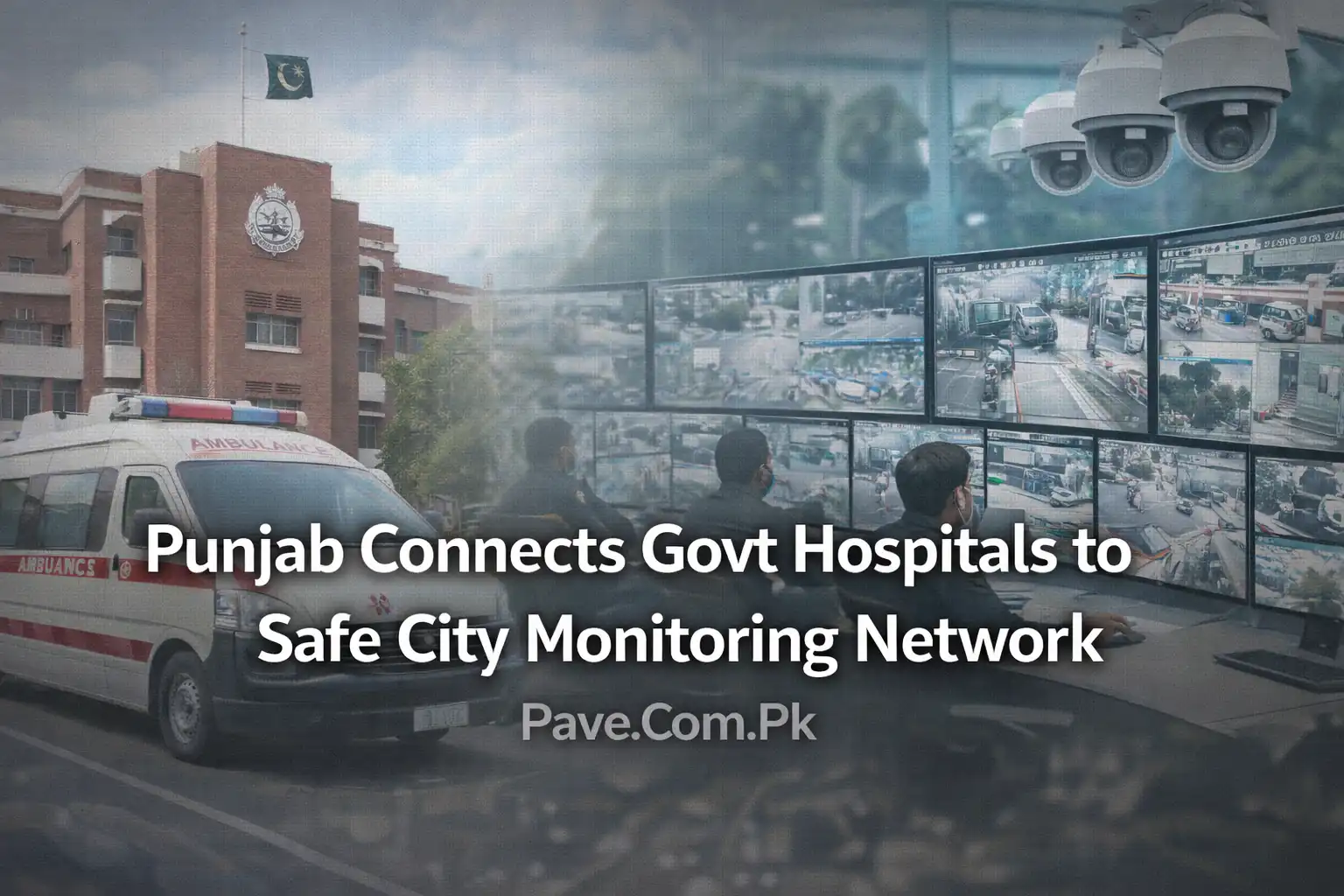
The Punjab government has taken a major step toward improving hospital security and patient safety by linking public hospitals with the Safe City surveillance system. This initiative aims to provide real-time monitoring, faster emergency response, and enhanced security across government healthcare facilities.
In the first phase of the project, ten major government hospitals in Lahore have already been connected to the Safe City network. More than 35 public hospitals across Punjab are now part of the surveillance system, and authorities plan to expand this integration further in upcoming phases.
Why Punjab Connected Hospitals to Safe City System
The decision to link government hospitals with the Safe City surveillance network comes after growing concerns about security incidents in hospitals. Over the past few years, there have been cases of violence against doctors, clashes between patient attendants and hospital staff, theft incidents, and emergency mismanagement.
By connecting hospitals with the Safe City system, the Punjab government aims to improve hospital security, ensure patient safety, protect medical staff, enable quick police response, and monitor emergency situations in real time.

Hospitals Connected in First Phase
In the first phase, major hospitals in Lahore have been integrated into the Safe City surveillance system, including:
Ganga Ram Hospital
Lady Aitchison Hospital
General Hospital Lahore
Mian Munshi Hospital
Nawaz Sharif Hospital
Advanced CCTV cameras have been installed at emergency wards, indoor and outdoor departments, hospital entry and exit points, waiting halls, and parking areas.
Hospitals in Faisalabad, Bahawalpur, Rawalpindi, and Gujranwala are also being added in phases.

How the Safe City Surveillance System Works
The Safe City surveillance system uses high-definition CCTV cameras connected to a central control room. Live footage from hospitals is transmitted directly to monitoring centers.
If any suspicious activity or emergency occurs, authorities can immediately alert nearby police units. This system ensures faster response time and better coordination between hospitals and law enforcement agencies.

Key Benefits of Linking Hospitals with Safe City Network
Improved Patient Safety
Real-time monitoring reduces violence, theft, and conflicts inside hospitals.
Protection for Doctors and Medical Staff
CCTV cameras discourage attacks on healthcare workers and improve workplace security.
Faster Emergency Response
Police can respond instantly in case of any untoward incident.
Crime Prevention
Visible surveillance acts as a deterrent against illegal activities.
Better Hospital Management
Administrations can use surveillance data to improve crowd control and operational efficiency.

Expansion Plan Across Punjab
The Punjab government plans to link all public hospitals in the province with the Smart Safe City system.
District hospitals, teaching hospitals, and rural health centers will be integrated in upcoming phases. This province-wide expansion aims to create a unified hospital security network.
Technology Used in Hospital Surveillance
The initiative includes installation of:
High-definition CCTV cameras
Night vision cameras
Digital recording systems
Central monitoring software
Future upgrades may include AI-based monitoring and automated alerts.
Role of Safe City Authority
The Safe City Authority manages the surveillance network and coordinates with police departments.
By extending monitoring to government hospitals, the authority strengthens public safety infrastructure and ensures immediate action during emergencies.
Addressing Privacy Concerns
Officials have clarified that cameras are installed only in public areas. No surveillance equipment is placed inside examination rooms or private patient areas.
Data remains secure and is used strictly for security purposes.
Public Reaction and Healthcare Impact
The public response has largely been positive. Many citizens believe hospital security is necessary to ensure safety and discipline.
Healthcare professionals have welcomed the initiative, saying it will reduce workplace violence and improve hospital environments.
Punjab’s Digital Governance Strategy
This initiative aligns with Punjab’s broader digital transformation efforts, including smart policing, e-governance systems, and digital public services.
The integration of hospitals into the Safe City surveillance network reflects modernization of healthcare management.
Conclusion
Punjab’s decision to link government hospitals with the Safe City surveillance system represents a major step toward improving hospital security, patient safety, and emergency response.
With more than 35 hospitals already connected and province-wide expansion underway, the initiative is expected to strengthen healthcare security infrastructure across Punjab in 2026.