PAVE Gov Pk Vehicles Registration Is Expected Soon Under New PAVE Phase
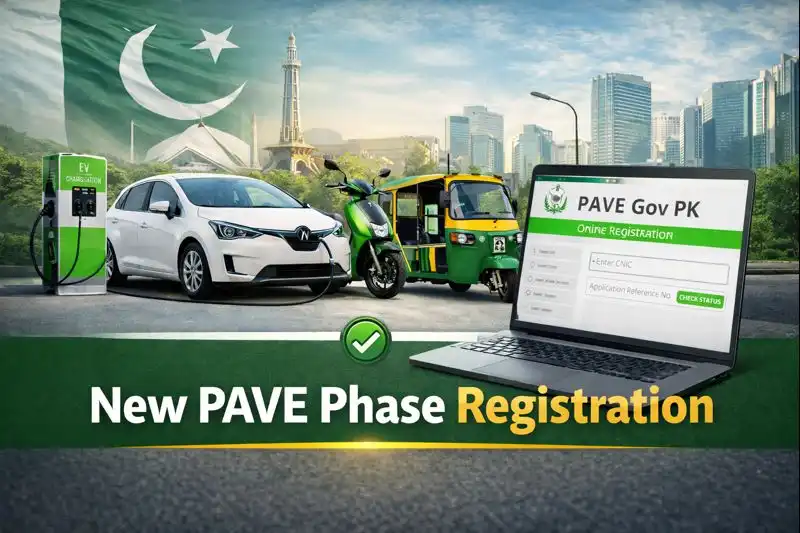
Vehicle registration under the Prime Minister Electric Vehicle Scheme (PAVE) is expected to begin soon as the government prepares to launch the next phase of the program. According to official indications, the new phase will focus on structured registration, verification, and subsidy distribution through a centralized system.
The move is being closely watched by citizens, EV manufacturers, and dealers, as it marks a key step in turning policy announcements into real on-ground benefits. Once registrations open, eligible applicants will be able to apply for electric bikes, scooters, rickshaws, and selected electric cars under the PAVE framework.
What Is PAVE Gov PK?
PAVE Gov PK refers to the official government-backed system and platform expected to manage the Prime Minister Electric Vehicle Scheme. It will likely serve as the central point for registrations, eligibility checks, and coordination with EV dealers and manufacturers.
The platform is expected to operate under the supervision of the Government of Pakistan, ensuring transparency and standardization across provinces.
Why PAVE Vehicle Registration Is Important
Registration is one of the most critical steps in any subsidy-based scheme. Without a proper registration system, benefits cannot be distributed fairly or efficiently.
The upcoming PAVE registration phase is important because it will:
- Identify genuine applicants
- Link subsidies to verified vehicles
- Prevent misuse or duplicate applications
- Ensure traceability of government funds
Officials believe that a digital-first registration process will reduce delays and increase public trust in the scheme.

Which Vehicles Are Expected to Be Covered
Although final details are yet to be officially announced, early policy outlines suggest that the new PAVE phase will prioritize commonly used transport categories.
Expected vehicle categories include:
- Electric bikes and scooters
- Electric rickshaws and three-wheelers
- Small and mid-range electric cars
- Locally assembled EVs
Electric two-wheelers are likely to remain the main focus due to their affordability and high daily usage.

Who May Be Eligible for PAVE Registration
Eligibility criteria will be confirmed once official guidelines are released. However, based on previous EV policy drafts, the following groups are expected to qualify:
- Pakistani citizens with valid CNIC
- Individual buyers, not bulk commercial resellers
- Applicants purchasing approved EV models
- Buyers registering vehicles through authorized dealers
Some priority may be given to students, delivery riders, and low-income commuters, especially for electric bikes and scooters.

Expected Registration Process Under PAVE Gov PK
The registration process is expected to be simple and mostly online to avoid unnecessary paperwork and delays.
Likely steps include:
- Online registration on the PAVE Gov PK portal
- Submission of CNIC and basic personal details
- Selection of vehicle category
- Choice of registered EV dealer or manufacturer
- Digital verification and approval
- Subsidy adjustment at the time of purchase
Once approved, applicants may receive a confirmation code or reference number linked to their vehicle purchase.
Role of EV Dealers and Manufacturers
Dealers and manufacturers will play a central role in the registration phase. Only registered and approved EV sellers are expected to participate in the PAVE program.
Their responsibilities may include:
- Uploading vehicle details on the system
- Verifying buyer information
- Ensuring compliance with quality standards
- Adjusting subsidy amounts in final pricing
This dealer-linked approach helps ensure that subsidies are used only for eligible vehicles.
Charging Infrastructure and Registration Link
The government is also expected to align vehicle registration with charging infrastructure planning. Areas with higher EV registrations may be prioritized for public charging stations.
This data-driven approach can help:
- Improve EV user experience
- Reduce charging bottlenecks
- Support future urban planning
- Encourage private sector investment
Officials see this as a long-term benefit of centralized registration.
Economic Impact of the New PAVE Phase
The start of vehicle registration under PAVE is expected to create momentum in the local EV market.
Potential economic benefits include:
- Increased demand for locally assembled EVs
- Job creation in manufacturing and services
- Reduced fuel import bill
- Growth of charging and maintenance businesses
For consumers, registered EVs mean lower running costs and protection from fuel price fluctuations.
Environmental Benefits Linked to Registration
Each registered electric vehicle represents a reduction in emissions compared to petrol or diesel alternatives.
Widespread registration under PAVE could lead to:
- Lower urban air pollution
- Reduced carbon emissions
- Less noise pollution
- Health benefits in congested cities
Experts believe that electric bikes alone can make a measurable difference in smog-prone areas.
Challenges the Government May Face
Despite positive expectations, challenges remain.
Key risks include:
- Delays in portal launch
- Technical issues during high traffic
- Miscommunication about eligibility
- Limited awareness in rural areas
Observers stress the need for clear public communication and step-by-step guidance once registrations open.
Public Expectations and Market Response
Public interest in PAVE registration is already growing, especially among young commuters and delivery riders. EV dealers are also preparing for increased inquiries and bookings.
Many believe that if the registration process is smooth and transparent, trust in government-led EV initiatives will increase significantly.
What Citizens Should Do Right Now
While registrations have not officially started, interested citizens can prepare by:
- Keeping CNIC and documents ready
- Researching approved EV models
- Following official government announcements
- Avoiding unofficial agents or fake portals
Experts strongly advise applying only through official PAVE Gov PK channels once announced.
What to Expect Next
In the coming weeks, the government is expected to announce:
- Official launch date of PAVE registration
- Portal URL and application method
- Detailed eligibility criteria
- List of approved vehicles and dealers
Once these details are released, registrations are likely to begin in phases.
What is the last date for PAVE registration?
As of now, the Government of Pakistan has not officially announced a final or last date for PAVE registration. Authorities have indicated that registrations will open in phases under the PAVE 2025–30 framework, which means deadlines may vary by vehicle category or region. Once the official portal goes live, the government is expected to clearly mention opening and closing dates for each phase, so applicants are advised to regularly follow official announcements.
How to check PAVE application status?
Applicants will be able to check their PAVE application status through the official PAVE Gov PK online portal after submitting their registration. By logging in with their CNIC or application reference number, users can track whether their application is under review, approved, or rejected. Status updates may also be sent through SMS or email to keep applicants informed throughout the verification and approval process.
Who is eligible for PAVE?
Eligibility for the PAVE scheme is expected to include Pakistani citizens with a valid CNIC who are purchasing an approved electric vehicle through a registered dealer. The scheme is mainly designed for individual buyers rather than bulk commercial resellers. Priority may be given to students, daily commuters, delivery riders, and low- to middle-income groups, especially for electric bikes and scooters, as part of the government’s effort to promote affordable and clean transport.
Conclusion – PAVE Gov Pk Vehicles Registration 2026
The expected launch of vehicle registration under the new PAVE phase is a crucial milestone for Pakistan’s electric vehicle transition. By moving from policy planning to actual registrations, the government signals its intent to make electric mobility practical and accessible.
If implemented efficiently, PAVE Gov PK registration can help reduce fuel dependency, lower transport costs, and improve air quality. While challenges remain, the upcoming registration phase has the potential to reshape how Pakistan moves toward a cleaner and more sustainable transport future.
Vehicle registration under PAVE Gov PK is expected to start soon as part of the new phase of the Prime Minister Electric Vehicle Scheme, focusing on electric bikes, rickshaws, and cars through a centralized digital system.