Bad News: Massive Increase in Petrol Prices Expected From February 16 For Two Weeks
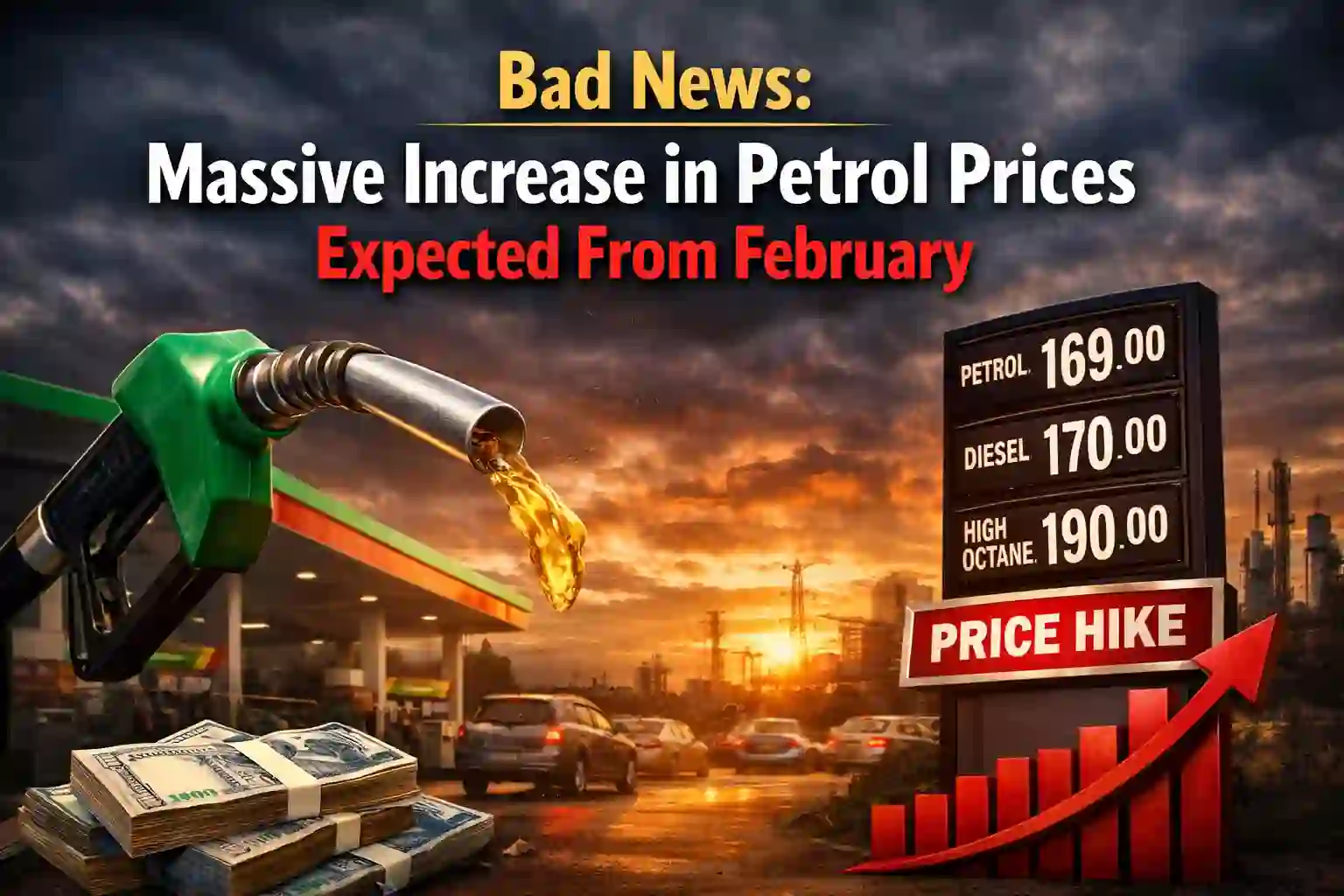
A major increase in petrol prices is expected across Pakistan starting February 16, and the revised rates may remain in effect for the next two weeks. This development is causing concern among citizens, businesses, and transport operators as fuel prices directly affect daily living costs.
Fuel price revisions happen twice every month in Pakistan, and the upcoming review is expected to bring higher rates due to changes in international oil markets and currency fluctuations. While the official announcement is still awaited, industry sources indicate a noticeable increase may be approved.
For millions of Pakistanis already dealing with rising inflation, electricity bills, and food prices, another fuel price hike could further strain household budgets.
This article explains why prices are expected to rise, how the change affects everyday life, and what citizens should prepare for in the coming weeks.
Why Petrol Prices May Increase This Time
Several factors contribute to fuel price adjustments in Pakistan. The upcoming expected increase is mainly due to three key reasons.
Rising Global Oil Prices
International crude oil prices have recently moved upward due to supply concerns and increased demand in global markets. When global oil prices rise, countries like Pakistan that import petroleum products must pay more, which ultimately increases local prices.
Currency Exchange Pressure
Pakistan imports most of its fuel, and payments are made in US dollars. When the Pakistani rupee weakens against the dollar, import costs automatically rise, even if global oil prices remain stable.
Government Taxes and Adjustments
Fuel prices in Pakistan include petroleum levy, customs duties, dealer margins, and distribution costs. Any adjustment in these components also impacts the final retail price paid by consumers.

Expected Impact on Daily Life
Whenever petrol prices increase, the effects quickly spread across different sectors. The impact is not limited to vehicle owners alone.
Increase in Transport Fares
Public transport operators usually increase fares after fuel price hikes. This affects daily commuters, students, and workers who depend on buses, vans, and ride-hailing services.
Inter-city transport fares may also rise, making travel more expensive for families and businesses.
Higher Prices of Goods
Goods transported across cities rely on diesel and petrol-powered vehicles. When fuel costs increase, transportation expenses rise, which leads to higher prices of vegetables, groceries, and other essential goods.
This causes inflation pressure across markets.
Increased Business Operating Costs
Small businesses, delivery services, factories, and retailers face increased operational expenses due to higher fuel usage. Many businesses transfer these costs to customers, further increasing prices.

How Often Petrol Prices Change in Pakistan
Fuel prices in Pakistan are revised twice each month, usually on the 1st and 16th. The government reviews global oil prices and exchange rate trends before announcing new rates.
Sometimes prices increase, while in other cases they decrease, depending on international market conditions. However, over the past few years, frequent increases have created financial challenges for the public.

Public Reaction and Concerns
News about a possible fuel price increase often causes worry among citizens. Social media discussions show growing concerns about rising living costs.
People are already facing higher electricity bills, gas charges, and food prices. Another petrol price increase adds pressure on families managing fixed monthly incomes.
Transport workers also express concern as increased fuel costs reduce their profit margins unless fares are raised.

Government’s Balancing Challenge
Authorities face a difficult decision each time fuel prices are reviewed. On one side, global market changes force price adjustments. On the other side, public pressure demands price stability.
The government must also meet revenue targets and manage energy imports while trying to control inflation. In some cases, authorities delay increases or reduce taxes temporarily, but long-term solutions remain complex.
Possible Increase in Diesel Prices Too
Alongside petrol, diesel prices are also expected to rise. Diesel is widely used in trucks, buses, and agricultural machinery, meaning its price directly affects transportation and farming costs.
An increase in diesel prices usually results in higher transport charges and food prices nationwide.
Impact on Ride-Hailing and Delivery Services
Ride-hailing drivers and delivery riders rely heavily on petrol. If fuel prices increase, many drivers either increase ride fares or reduce working hours due to lower earnings.
Online delivery services for food and groceries may also revise their delivery charges.
Consumers who depend on these services may feel the impact quickly.
Effect on Inflation Trends
Fuel prices play a significant role in Pakistan’s inflation rate. When fuel becomes expensive, transportation and production costs rise across multiple sectors.
This creates a chain reaction that pushes prices of everyday goods upward. Economists often monitor fuel price trends to predict inflation patterns.
If petrol prices increase again, inflation pressure could remain strong in the coming months.
What Citizens Can Do to Manage Fuel Costs
While individuals cannot control fuel prices, there are ways to reduce personal fuel expenses.
Use Public Transport When Possible
Carpooling or using public transport can reduce daily fuel consumption and expenses.
Maintain Vehicles Properly
Regular vehicle maintenance improves fuel efficiency, helping drivers save money in the long term.
Plan Travel Efficiently
Combining errands into one trip instead of multiple short drives can lower fuel usage.
Possibility of Future Price Changes
Fuel prices depend heavily on global market conditions. If international oil prices fall in the coming weeks, local prices could decrease in future reviews.
However, if global supply concerns continue or currency pressures remain, fuel prices may stay high or increase again.
Experts suggest that volatility in energy markets may continue through the year.
Awaiting Official Announcement
The final decision on petrol prices will be announced by the government shortly before February 16. The exact increase amount will only become clear once official notification is released.
Citizens and businesses are advised to wait for confirmation rather than relying on speculation circulating online.
Conclusion – Massive Increase in Petrol Prices Expected From February 16 For Two Weeks
The expected petrol price increase from February 16 is creating concern across Pakistan as people already struggle with rising living expenses. Fuel prices influence transportation, goods pricing, and overall inflation, meaning even small increases affect millions of households.
While authorities aim to balance economic needs with public relief, international oil market pressures often leave limited room for price control.
For now, citizens can only prepare for possible adjustments and plan expenses carefully until the official announcement clarifies the final rates.
The coming weeks will show how the new fuel prices impact markets and whether further economic measures are introduced to ease public burden.