
Islamabad Announces Inauguration of Two Major Road Projects: Improving Infrastructure and Traffic Flow
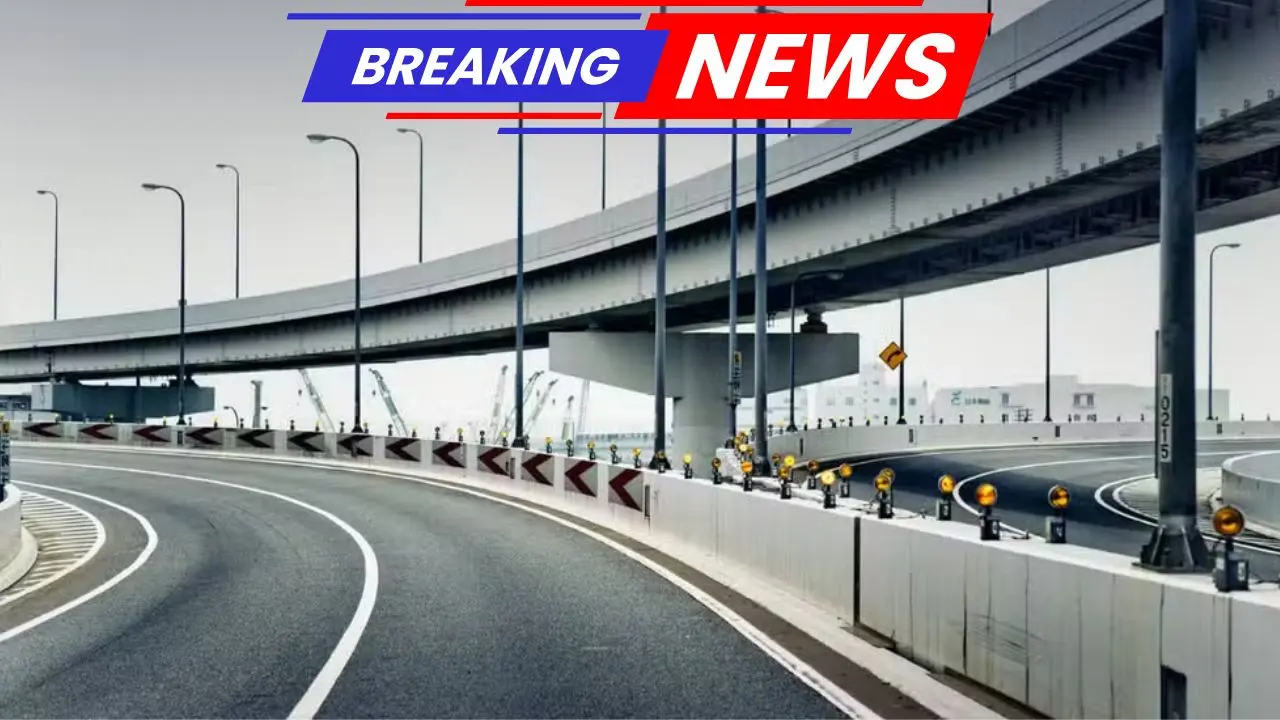
Islamabad, the capital city of Pakistan, is set to witness significant improvements in its urban infrastructure with the upcoming inauguration of two major road projects. According to the Deputy Director General of Environment at the Capital Development Authority (CDA), Irfan Azeem Khan Niazi, the government is focusing on urban beautification, traffic decongestion, and improving overall livability in the city. The projects include new flyovers at T-Chowk and Shaheen Chowk, aimed at easing the daily traffic burden and enhancing the city’s overall appeal.
The Prime Minister has emphasized the importance of completing infrastructure projects on schedule while ensuring quality and environmental sustainability. The CDA has been instructed to pay special attention to green spaces and landscaping in conjunction with the road projects. These initiatives reflect Islamabad’s commitment to modernizing its roads while maintaining ecological balance.
Major Road Projects in Islamabad
T-Chowk Flyover
The T-Chowk Flyover is one of the two major projects slated for inauguration. This flyover aims to address the heavy traffic congestion at one of Islamabad’s busiest intersections. With increasing vehicle numbers, traffic jams have been a recurring problem, causing delays and increasing commuter frustration. The new flyover will allow uninterrupted flow of traffic across the junction, reducing congestion and travel time significantly.

The flyover construction includes multi-lane carriageways, pedestrian walkways, and signal-free movement to improve efficiency. Additionally, traffic management systems will be installed to monitor and control vehicular flow, ensuring smoother and safer driving experiences.
Shaheen Chowk Flyover
The second major project, the Shaheen Chowk Flyover, is designed to handle the high volume of vehicles traveling between residential and commercial hubs. The flyover’s construction incorporates modern engineering standards, including reinforced concrete, wider lanes, and proper lighting to enhance visibility and safety during night travel.
This project is expected to significantly improve traffic movement along key arteries, particularly during peak hours. With careful planning and execution, commuters can anticipate shorter travel times and reduced congestion along one of Islamabad’s busiest routes.
Faizabad Remodeling Project: Enhancing Road Capacity
In addition to the flyovers, the Faizabad remodeling project is approaching its final stages. This project includes road widening and the construction of loop extensions to manage traffic efficiently. The Faizabad intersection has long been a hotspot for traffic jams, especially during office hours and peak commuting times. The remodeling will help accommodate the increasing number of vehicles and streamline traffic flow.
The loop extensions will provide alternative routes for vehicles, reducing bottlenecks and minimizing the chances of gridlock. This infrastructure upgrade demonstrates Islamabad’s commitment to long-term traffic management solutions, ensuring the city remains navigable even as vehicle ownership grows.
Focus on Urban Beautification and Green Spaces
The CDA is also prioritizing urban beautification alongside the road projects. Efforts are underway to plant flowering and allergy-friendly trees along major roads and interchanges. These green initiatives are not only aimed at enhancing the visual appeal of the city but also at improving air quality and reducing environmental health concerns.
Landscaping and green spaces around flyovers, intersections, and road medians are being developed to create a more pleasant urban environment. Properly maintained greenery contributes to a sense of well-being among residents and helps in controlling pollution levels in densely populated areas.
Traffic Management and Safety Measures
Traffic management is a crucial aspect of these projects. Modern signaling systems, CCTV monitoring, and traffic control mechanisms are being integrated to ensure smoother vehicular movement. These measures will help reduce accidents, manage congestion, and provide real-time traffic updates to commuters.
Pedestrian safety is also being emphasized. The projects include dedicated walkways, pedestrian crossings, and safety barriers to protect pedestrians and reduce accidents at busy intersections.
Economic and Social Impact
The inauguration of these projects is expected to have significant economic and social impacts. Improved roads reduce travel time, which increases productivity for commuters and businesses. Efficient traffic flow also decreases fuel consumption, lowering transportation costs and environmental pollution.
Moreover, the beautification and landscaping efforts enhance property values and promote tourism. Islamabad’s aesthetic appeal will increase, making the city more attractive for residents, businesses, and tourists alike.
Government Commitment to Timely Completion
The government, under the direction of the Prime Minister and the Interior Minister, is determined to ensure timely completion of these infrastructure projects. The CDA has been instructed to monitor project progress closely and adhere to strict deadlines. This proactive approach reflects the administration’s focus on accountability and effective governance in public infrastructure development.
Challenges in Urban Road Development
Despite these positive developments, Islamabad faces certain challenges in urban road expansion. Limited space in densely populated areas, rapid urbanization, and increased vehicle ownership pose hurdles. The CDA is addressing these challenges by using innovative engineering solutions, such as multi-level flyovers, loop extensions, and traffic segregation, to maximize efficiency within available space.
Future Road Infrastructure Plans
Beyond T-Chowk and Shaheen Chowk flyovers, the CDA has plans to develop additional road projects to improve connectivity across Islamabad. These projects include constructing new interchanges, upgrading existing roads, and integrating smart traffic management systems. The long-term vision is to create a modern, sustainable, and highly navigable urban environment for residents and visitors.
Community Benefits and Public Safety
The new road projects are designed with public convenience and safety in mind. By reducing traffic congestion, the likelihood of road accidents decreases. Emergency response times for ambulances and fire services will also improve due to smoother traffic flow. Community access to commercial centers, hospitals, and schools will be more efficient, improving overall quality of life in the capital.
Environmental Considerations
The CDA is making conscious efforts to ensure these projects comply with environmental standards. By planting trees, using eco-friendly construction materials, and incorporating green buffers around major roads, the authority aims to balance infrastructure development with ecological preservation. This approach promotes a sustainable urban environment while meeting the city’s growing transportation needs.
Conclusion
Islamabad’s two major road projects at T-Chowk and Shaheen Chowk, along with the Faizabad remodeling initiative, mark a significant step toward improved urban infrastructure, traffic management, and city beautification. These projects are expected to alleviate congestion, reduce travel times, enhance road safety, and create a greener, more aesthetically pleasing environment. The government’s focus on timely completion, sustainable practices, and modern engineering solutions highlights Islamabad’s commitment to becoming a model city for urban development in Pakistan.
Frequently Asked Questions (FAQs) About Islamabad’s New Road Projects
1. What are the new road projects being inaugurated in Islamabad?
The government is inaugurating two major flyovers at T-Chowk and Shaheen Chowk. Additionally, the Faizabad intersection is being remodeled with road widening and loop extensions to improve traffic flow.
2. When will the T-Chowk and Shaheen Chowk flyovers open to the public?
The inauguration is scheduled in the coming days, subject to the Prime Minister’s availability and schedule. CDA officials are finalizing the completion stages.
3. What is the main purpose of these road projects?
The primary goal is to reduce traffic congestion, improve commuter travel times, enhance road safety, and upgrade Islamabad’s overall urban infrastructure.
4. How will these projects improve traffic management in Islamabad?
The flyovers include multi-lane carriageways, pedestrian walkways, and traffic signal systems. Loop extensions at Faizabad will provide alternative routes, reducing bottlenecks and gridlock during peak hours.
5. Are there environmental considerations in these projects?
Yes, the CDA is planting flowering and allergy-friendly trees, installing green spaces, and focusing on landscaping around major interchanges to improve air quality and urban aesthetics.