Finally, Govt PAVE Scheme Initiative Enters in Execution Phase for Distributing e-Rickshaws & e-Bikes
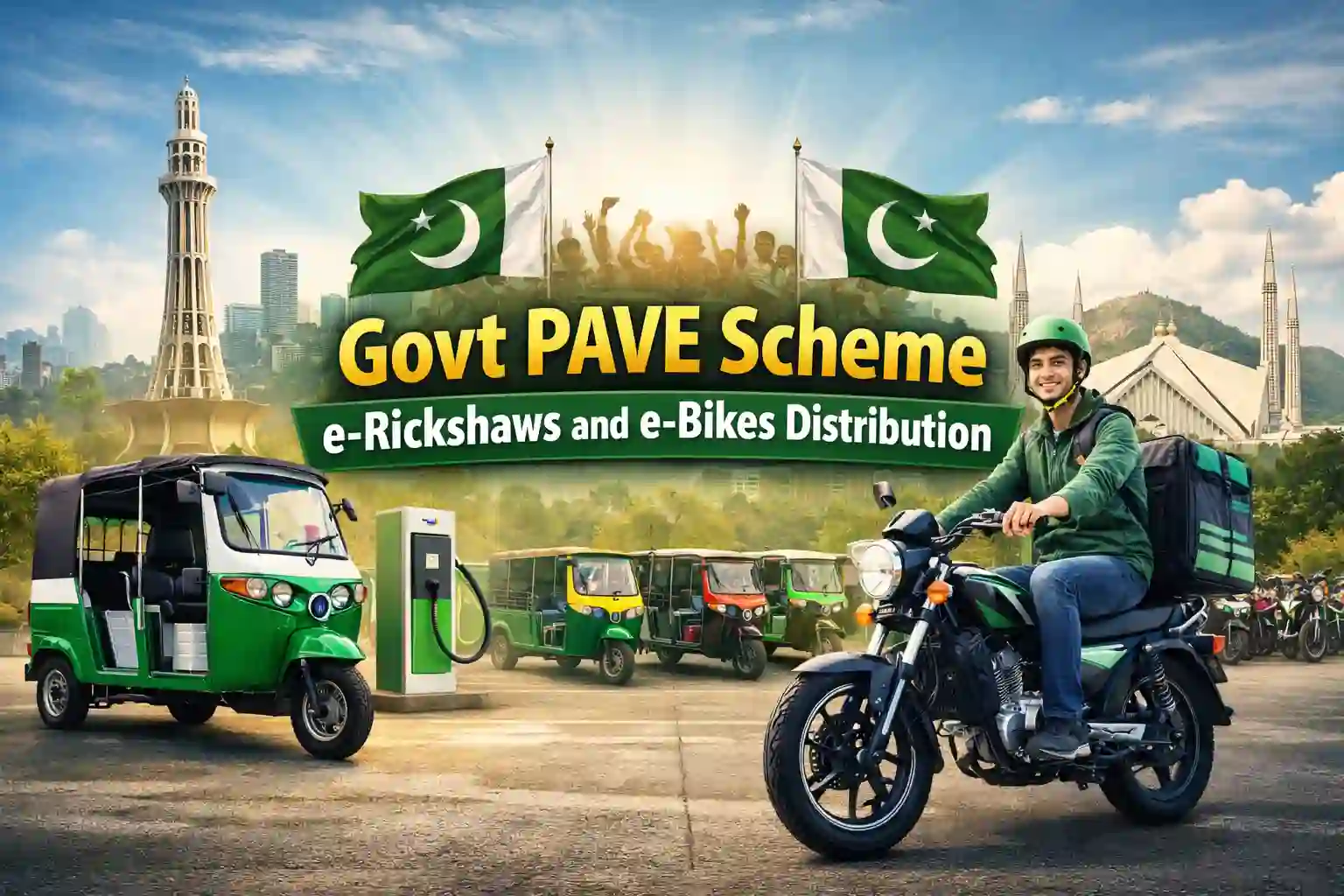
After months of preparation and planning, the government’s PAVE Scheme has officially moved into its execution phase, signaling the start of practical steps for distributing electric rickshaws and electric bikes to eligible citizens across Pakistan. This transition from paperwork and registrations to actual implementation is being seen as a major development for unemployed youth and low-income families waiting for economic support.
The scheme focuses on creating self-employment opportunities while also promoting clean and affordable transportation. Rising fuel prices and increasing unemployment have made transport costs and income generation difficult for many families. Through this program, authorities hope to provide a sustainable solution that supports both employment and environmental protection.
Officials confirm that procurement, beneficiary verification, and distribution arrangements are now being finalized, and vehicle deliveries are expected to begin in phases.
Background of the PAVE Scheme
The PAVE initiative was introduced as part of broader economic and environmental planning to support people struggling with job opportunities and transport costs. Electric vehicles have become popular globally due to lower running costs and reduced pollution, and Pakistan is also moving in the same direction.
Under the PAVE Scheme, eligible citizens are offered electric rickshaws or electric bikes through financial assistance or subsidized programs, allowing them to earn income through ride services, deliveries, and local transport operations.
The scheme also aims to reduce reliance on fuel-powered vehicles that contribute heavily to air pollution in cities. With urban populations growing and fuel prices increasing, electric vehicles are becoming an attractive alternative.

Execution Phase: What It Means
The execution phase means the program has moved beyond planning and approvals. Now, the government and partner organizations are preparing real steps for vehicle distribution.
Key activities currently underway include:
- Final verification of applicants and beneficiary lists
- Procurement and inspection of electric vehicles
- Coordination with manufacturers and suppliers
- Arrangements for financing and installment plans where applicable
- Planning delivery schedules in different regions
Authorities have indicated that distribution will occur in stages to maintain transparency and avoid logistical problems. Priority may be given to applicants who completed verification early or meet eligibility criteria strictly.
Beneficiaries will receive official notifications before vehicle allocation.

How the Scheme Supports Employment
One of the biggest challenges in Pakistan is unemployment, especially among youth. Many young people struggle to find stable jobs, while others work in informal sectors with low income.
The PAVE Scheme addresses this issue by helping individuals start income-generating activities through electric transport vehicles.
Electric bikes can be used for:
- Delivery services
- Ride-hailing operations
- Freelance transport work
- Office commuting services
- Online order deliveries
Electric rickshaws can operate as:
- Local passenger transport
- School transport in communities
- Market shuttle services
- Neighborhood ride services
Since electric vehicles have lower operating costs compared to petrol vehicles, drivers can earn more profit daily.

Financial Relief Through Lower Operating Costs
Fuel prices have increased significantly over recent years, making it difficult for drivers and transport workers to maintain income levels. Electric vehicles offer an alternative with reduced expenses.
Some key cost benefits include:
- No daily petrol or diesel expenses
- Lower maintenance costs
- Cheaper electricity charging compared to fuel
- Fewer engine-related repairs
- Longer savings over time
Drivers using electric vehicles can keep a larger portion of daily earnings, improving their financial situation.

Environmental Benefits of Electric Vehicles
Apart from employment benefits, the scheme also supports environmental improvement.
Pakistan’s major cities suffer from air pollution caused by traffic congestion and fuel-powered vehicles. Electric vehicles produce no direct exhaust emissions, making them cleaner for urban environments.
Benefits include:
- Reduced air pollution
- Lower carbon emissions
- Less noise pollution
- Improved urban air quality
- Contribution to climate-friendly transport systems
Experts believe that promoting electric transport today can reduce future environmental damage.
Who Is Eligible to Benefit?
Although eligibility conditions vary based on program phases and provincial policies, the scheme mainly targets:
- Unemployed youth
- Low-income individuals
- Delivery riders
- Small transport operators
- Drivers without vehicle ownership
- Individuals seeking self-employment opportunities
Applicants usually must meet basic age, identification, and residency requirements. In many cases, preference may be given to people without stable income or vehicle ownership.
Verification ensures that vehicles go to deserving candidates.
Distribution Process and Transparency Measures
Authorities claim that the scheme follows a transparent process to prevent misuse or favoritism. Steps generally include:
- Registration and application submission
- Identity and background verification
- Eligibility screening
- Final beneficiary selection
- Vehicle procurement and inspection
- Allocation and delivery
Digital tracking and official notifications are being used to reduce fraud and ensure fairness.
Some regions may conduct vehicle distribution ceremonies or local events to officially hand over vehicles to beneficiaries.
Impact on Delivery and Ride-Hailing Industry
Pakistan’s delivery and ride-hailing sectors have grown rapidly due to online shopping and digital services. Thousands of riders now work for delivery companies and transport apps.
Electric bikes provided under the scheme can support riders who currently rent vehicles or face high fuel costs.
Benefits for delivery riders include:
- Increased daily savings
- Better income stability
- Reduced vehicle maintenance stress
- More affordable transport options
This support can improve working conditions for riders who depend on daily deliveries for income.
Challenges Expected During Implementation
Despite positive expectations, some challenges may arise during execution.
Possible issues include:
- Delays in vehicle delivery due to supply chain problems
- Limited charging infrastructure in some areas
- Maintenance and repair training requirements
- Payment and installment management issues
- Technical support availability
However, authorities say planning has been done to address these concerns through partnerships with suppliers and service providers.
Training sessions and service centers may also be introduced to help users maintain vehicles.
Long-Term Potential of the Program
Experts believe that if implemented successfully, the PAVE Scheme could become a model for future employment and transport programs.
Possible long-term outcomes include:
- Growth of electric vehicle industry in Pakistan
- Increased local assembly or manufacturing opportunities
- Job creation in EV maintenance and services
- Reduction in fuel import costs
- Better urban mobility solutions
The initiative could also encourage private sector investment in charging stations and EV infrastructure.
Public Reaction and Expectations
Many applicants and transport workers have welcomed the start of the execution phase, as they had been waiting for confirmation after registrations and announcements.
Social media discussions show excitement among potential beneficiaries who hope the scheme will provide financial stability.
However, citizens also expect smooth implementation without delays, ensuring deserving individuals receive vehicles without complications.
Transparency and timely delivery remain key expectations.
Government’s Vision for Green Transport
Government officials describe the program as part of a broader shift toward environmentally friendly policies and economic empowerment.
With rising fuel import bills and environmental challenges, electric mobility is increasingly being viewed as a practical solution for Pakistan’s future.
Officials believe early adoption of electric vehicles will help the country modernize transport systems while supporting citizens financially.
What Applicants Should Do Now
Applicants who have already registered are advised to:
- Keep contact information updated
- Monitor official notifications
- Prepare necessary documents for verification
- Stay connected with official program channels
- Avoid paying any unofficial agents or middlemen
Authorities warn citizens to avoid fraudsters claiming guaranteed approvals in exchange for money.
Official communication will be made directly through authorized channels.
Conclusion – Govt PAVE Scheme e-Rickshaws and e-Bikes Distribution
The entry of the PAVE Scheme into its execution phase marks a major step toward economic support and sustainable transport solutions in Pakistan. Distribution of electric rickshaws and bikes is expected to create employment opportunities, reduce transport costs, and promote environmentally friendly mobility.
If managed efficiently, the initiative could help thousands of families achieve financial stability while also supporting the country’s transition toward green transport.
As vehicle distribution begins in coming months, many citizens look forward to turning this opportunity into a new source of income and a better future.