Govt Outsources 11 More Pakistan Railways Trains – Major Restructuring Plan Announced
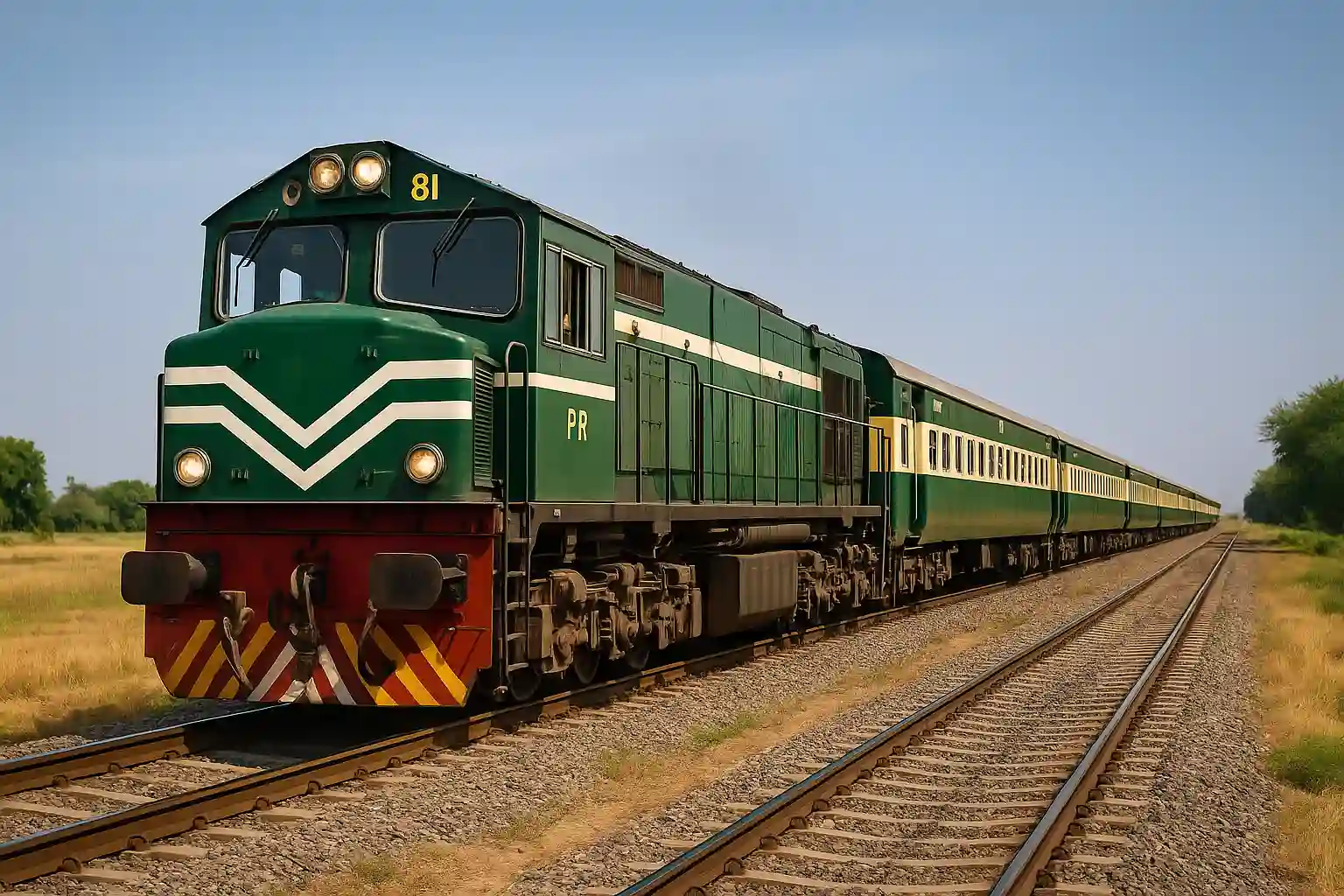
The federal government has approved another major shift in the country’s railway operations as Pakistan Railways Trains has decided to outsource 11 additional passenger to private operators. This move is part of a broader restructuring plan aimed at improving efficiency, reducing financial losses, and increasing non-fare revenue.
During a detailed briefing to Prime Minister Shehbaz Sharif, top Pakistan Railways officials confirmed that tenders for all 11 trains have already been issued. This is the second major outsourcing phase after four trains were successfully handed over to private companies in recent months.
Officials say the latest initiative alone is expected to generate an additional Rs 8.5 billion for the state-run operator.
Major Shift Toward Private Management
The outsourcing plan indicates a significant transformation of Pakistan Railways’ traditional operational model. Instead of running selected trains directly, the department will supervise operations, set regulatory and safety standards, and collect revenue through partnerships.
Authorities revealed that the outsourcing process will include:
- Passenger trains
- Luggage vans
- Dry ports
- Railway rest houses
- Hospitals and educational institutions
Officials stated that the purpose is to streamline services, enhance passenger experience, and reduce operational burden on the department.
Hospitals, Schools, and Rest Houses Also Being Outsourced
In the briefing, it was disclosed that Pakistan Railways is also handing over several hospitals, schools, colleges, and rest houses to private management.
The hospitals being moved to private operators include major facilities in:
- Lahore
- Karachi
- Multan
- Peshawar
- Quetta
- Sukkur
This marks one of the largest public-sector asset transfers in recent years, signaling a wide-scale administrative reform. Schools and rest houses linked to railway employees and travelers are also undergoing privatization.
Officials noted that these measures will help reduce administrative bulk while improving service quality and maintenance standards.
Dry Ports in Three Major Cities Shifted to Private Sector
Pakistan Railways is further expanding private sector involvement by outsourcing key dry ports located in:
- Islamabad
- Lahore
- Azakhail
These dry ports handle cargo movement, customs operations, and trade handling. Outsourcing is expected to boost operational efficiency and generate higher revenue streams.
Railway officials highlighted that private operators will bring in modern logistics, better tracking systems, and improved handling services.
Revenue Boost Expected from Cargo Operations
Officials also confirmed that Pakistan Railways is in the final stages of outsourcing two cargo express trains, which could bring in up to Rs 6.3 billion. Cargo trains are among the most profitable segments of the rail network and are critical for long-distance freight movement.
This new initiative aims to make cargo transport faster, more reliable, and financially sustainable.
Luggage and Brake Vans to Generate Additional Rs 820 Million
Another major revenue-generating step is the outsourcing of 40 luggage and brake vans, expected to bring Rs 820 million into the railway system. These vans play an essential role in parcel services and logistics transportation.
The department believes that private operators will introduce quicker booking procedures, improved cargo management, and better tracking systems for customers.
Why Pakistan Railways is Outsourcing So Aggressively
Pakistan Railways has long struggled with:
- Massive annual financial losses
- Poor operational efficiency
- Aging infrastructure
- Heavy government subsidies
- Delayed maintenance
- Low revenue from passengers
By outsourcing selective operations, the government aims to bring in specialization, investment, and professionalism from the private sector.
Officials emphasized that outsourcing does not mean privatization of the railway system. The department will remain the regulator and retain control over infrastructure, tracks, safety standards, and major policy decisions.
Government’s Vision for a Modern Rail Network
The briefing to the Prime Minister highlighted the long-term plan to transform Pakistan Railways into a modern transportation system. The government is focusing on:
- Increasing non-fare revenue
- Reducing administrative overhead
- Improving passenger experience
- Partnering with private companies for efficient operations
- Streamlining cargo and freight services
- Digitizing management processes
The PM directed authorities to ensure transparency, competitive bidding, and strict monitoring of private operators.
Impact on Passengers
If implemented effectively, outsourcing is expected to:
- Improve train timings
- Enhance onboard cleanliness
- Introduce better customer service
- Reduce travel delays
- Upgrade cargo and parcel facilities
Passengers may also see upgraded seating, improved safety features, and more digital ticketing options.
Final Words – Govt Outsources 11 More Pakistan Railways Trains
The decision to outsource 11 more passenger trains and multiple railway assets marks a significant shift in Pakistan Railways’ long-term strategy. With an estimated Rs 8.5 billion revenue boost and further improvements in cargo, dry ports, and hospital operations, the government is banking on the private sector to help rebuild and modernize the national railway system.