
New Tax Reforms Announced: PM Shehbaz’s Export-Led Growth Plan Explained
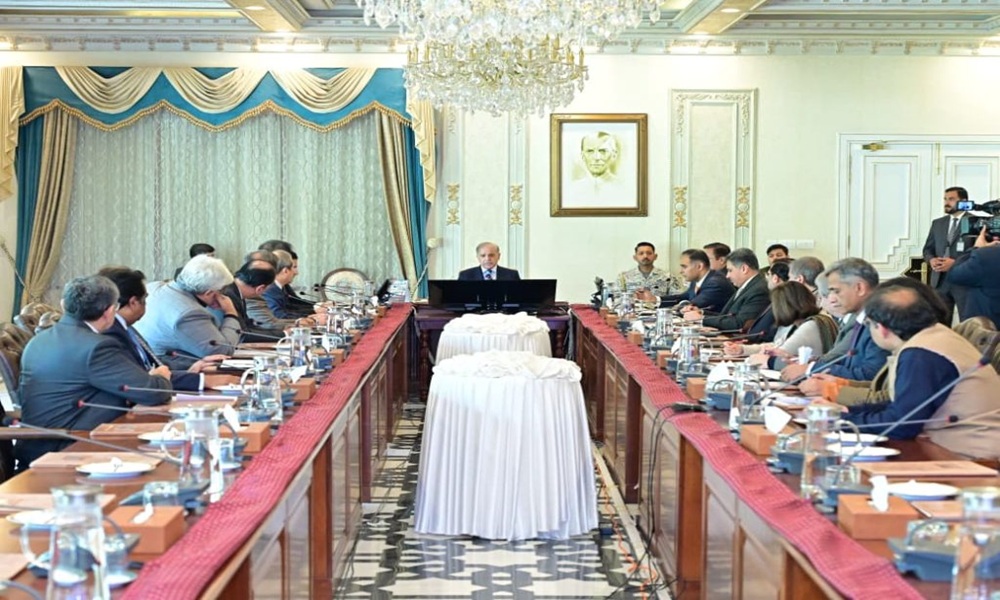
Pakistan has taken a major step toward long-term economic transformation as Prime Minister Shehbaz Sharif approved fast-tracked actions on the country’s new export-led growth strategy. This comes after the government received detailed reform proposals from private-sector experts, focusing mainly on tax reforms, investment expansion, and export competitiveness.
The initiative signals a clear shift toward a development model based on high-value exports, business-friendly tax policies, and structural reforms that can support sustainable economic recovery.
In this comprehensive article, we break down the entire plan, including the government’s export vision, the tax reforms under discussion, the role of private-sector experts, and how the new roadmap will shape Pakistan’s economy in the coming years.
1. Introduction: Why Pakistan Needs an Export-Led Growth Model
Pakistan has relied for decades on import-heavy economic policies, limited value-added exports, and unstable revenue streams. Rising inflation, weak currency performance, and global competition have highlighted the need for a new, export-driven model.
An export-led growth strategy focuses on:
- Increasing high-value, high-tech exports
- Improving competitiveness in global markets
- Removing tax barriers and simplifying business operations
- Encouraging investment from domestic and foreign companies
- Expanding employment opportunities through export industries
The government believes this strategy will help Pakistan stabilize its economy, increase revenue, and reduce dependency on external loans.
Check Also: ACAG Balloting Results 2025
2. PM Shehbaz Sharif’s Commitment to Economic Reforms
During a high-level meeting on tax reforms, PM Shehbaz Sharif reaffirmed full government support for accelerating economic recovery through private-sector collaboration.
He stated that:
- Pakistan must shift to high-value exports
- Businesses that pay taxes should be supported and incentivized
- The government will take practical steps rather than temporary measures
- A stable and strong private sector leads to higher national revenue
This approach reflects the PM’s belief that sustainable growth is only possible when the business environment becomes more competitive, transparent, and predictable.
3. Government Focus on Growth Strategy
The prime minister chaired a meeting of the Working Group on Tax Reforms, which included senior ministers, technocrats, and leading business personalities.
The meeting focused on:
- Reviewing export-led economic policies
- Identifying problems faced by exporters and manufacturers
- Understanding tax burdens across various industrial sectors
- Proposing new frameworks to support global competitiveness
By involving the private sector directly, the government aims to ensure that reforms are realistic, actionable, and aligned with market needs.
Read Also: ACAG Punjab Eligibility Criteria Phase 2: Who Can Apply for ACAG Housing Scheme
4. Comparative Tax Analysis Across Sectors
During the meeting, experts briefed the government on comparative tax rates in:
- The corporate sector
- Manufacturing industries
- Export-oriented businesses
- Small and medium enterprises (SMEs)
- Technology & services sector
They highlighted that Pakistan’s tax regime is often:
- Higher than regional competitors
- Complex and fragmented
- Difficult for exporters to navigate
Countries like Vietnam, Bangladesh, India, and Malaysia have adopted investor-friendly tax systems that attract global brands and encourage export-focused industries.
Experts warned that if Pakistan does not adjust its tax structure, it may continue to lag behind regional economies.
5. Why Tax Reform Is Critical for Export Growth
For Pakistan to improve export performance, tax reforms must target:
A simplified tax structure
Too many overlapping taxes discourage investment.
Reduced cost of doing business
Lower taxes help manufacturers compete globally.
Incentives for high-value industries
Export sectors like IT, engineering, pharmaceuticals, and textiles need policy support.
Long-term policy stability
Investors require a predictable environment.
Removal of anti-export barriers
High duties, surcharges, and compliance costs reduce competitiveness.
The government has already taken a positive step by abolishing the Export Development Surcharge, which the business community greatly appreciated.
Read Also: USD to PKR Today — Live Dollar Rate in Pakistan (1 November 2025)
6. Experts’ Proposals to Improve the Export Ecosystem
The Working Group, led by Shehzad Saleem, provided detailed recommendations on:
Export diversification
Pakistan must reduce reliance on cotton and move toward:
- IT & software
- Agro-processed foods
- Pharmaceuticals
- Light engineering
- Minerals and metals
- EV components & electronics
Technology adoption
Exporters should receive incentives to adopt:
- Automation
- AI & digital tools
- E-commerce channels
- High-tech production systems
Investment-friendly taxation
A unified, easy-to-understand tax system would help manufacturers scale up and export more.
Ease of doing business
Businesses need simplified procedures for:
- Importing raw materials
- Export documentation
- Refunds and rebates
- Banking and financing
7. New Committee to Finalize Tax Reform Roadmap
PM Shehbaz Sharif announced the formation of a new committee led by the Finance Minister Muhammad Aurangzeb.
This committee will:
- Review all proposals
- Finalize actionable steps
- Develop a practical implementation roadmap
- Engage with business communities regularly
- Submit policy drafts to the federal cabinet
The goal is to create tax reforms that support investment, modernization, export expansion, and economic stability.
8. Impact of the Export-Led Growth Plan on Pakistan’s Economy
If executed successfully, the plan could transform Pakistan’s economic landscape.
Expected Impacts Include:
Increase in Export Revenue
Higher exports mean improved foreign exchange reserves.
Stronger Rupee Stability
Better export performance reduces pressure on the currency.
New Job Opportunities
Export industries generate high employment, especially for youth and skilled workers.
Increased Foreign Investment
Investor-friendly tax policies attract multinational companies.
Better Industrial Productivity
Reforms encourage modernization and automation.
Sustainable, Long-Term Economic Growth
Unlike temporary support programs, export-led strategies build permanent economic strength.
9. Private Sector Reaction
Business leaders welcomed:
- The government’s decision to eliminate the export development surcharge
- The willingness to adopt private-sector recommendations
- The new consultative approach for tax planning
They expressed optimism that Pakistan can achieve strong export growth if reforms are implemented quickly.
10. Challenges Ahead for Pakistan
While the plan is promising, several challenges must be addressed:
- High energy costs for industries
- Currency instability
- Limited access to affordable financing
- Slow adoption of technology
- Global competition from India, China, Bangladesh & Vietnam
- Complex regulatory environment
The government will need consistent commitment and strict monitoring to overcome these barriers.
Frequently Asked Questions (FAQs)
1. What is the export-led growth plan launched by the PM?
It is a national strategy to increase Pakistan’s exports through tax reforms, investment incentives, and competitiveness improvements.
2. Why is Pakistan focusing on exports now?
Exports help stabilize the rupee, generate jobs, attract investment, and reduce reliance on external loans.
3. What tax reforms were discussed in the meeting?
Experts presented proposals to simplify taxes, reduce costs, support exporters, and align Pakistan’s policies with regional standards.
4. What industries will benefit the most?
Textiles, IT, engineering, pharmaceuticals, food processing, and manufacturing will be key beneficiaries.
5. Will this plan help create jobs?
Yes. Export industries have high employment potential, especially for skilled and semi-skilled workers.