
Claim: Image/Video of Negin Ghadimi Dying in Father’s Arms
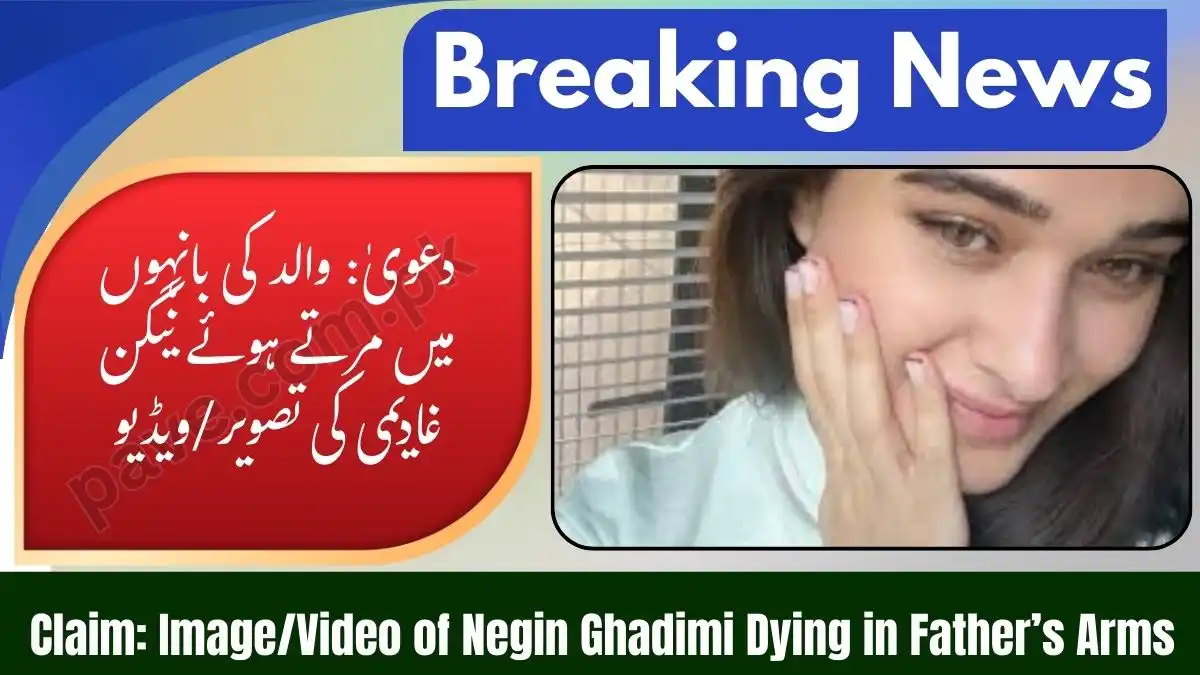
Viral Post: A heartbreaking photo and video circulating online purport to show 28-year-old Iranian protester Negin Ghadimi dying in her father’s arms during the current anti-government protests.
Fact: MISLEADING.
While reports confirm that Negin Ghadimi, a 28-year-old protester, was killed by live ammunition during clashes in Iran earlier this month, the widely shared image is not her. It actually shows Turkish actress Tuba Büyüküstün — a photo she posted in 2020 for a UNICEF campaign.
- Confirmed death: Independent reporting indicates Ghadimi was shot and died in the protests.
- Viral image: Originates from Turkish actress’s Instagram post, not the Iranian protester.
✔ Conclusion: Protester’s death is real, but the photo being shared is unrelated and misused.
2. Claim: Video Shows Protesters Tearing Down Maduro Posters After His Seizure
Viral Post: A video claims to show masses tearing down posters of Venezuelan leader Nicolás Maduro after he was allegedly seized by US forces in January 2026.
Fact: OUT OF CONTEXT.
Although there are reports of political developments in Venezuela in 2026, the video itself dates back to July 2024, showing protests during the Venezuela disputed presidential elections. Scammers are re-using that footage to mislead viewers. (verified via media tracking)
✔ Conclusion: The event referenced (US seizure) may be real news, but the video is old and unrelated to 2026 events.

3. Claim: “6 Minutes 39 Seconds” Fatima Jatoi Video Leak
Viral Post: Social media clips suggest a “6 minutes 39 seconds” leaked private video of Pakistani influencer Fatima Jatoi.
Fact: FAKE / SCAM BAIT.
There is no credible evidence such a video exists. Cybersecurity experts and fact-checkers confirm:
- These posts are designed to exploit curiosity
- They contain links that lead to phishing sites, malware, or data scams
✔ Conclusion: This is a scam designed to lure clicks and compromise devices.

4. Claim: Deepfake “Assam Intelligence Leak” on Aaj Tak
Viral Post: A circulating clip shows what appears to be an Aaj Tak report claiming a leaked intelligence document predicts a massive political upset in the 2026 Assam elections.
Fact: DEEPFAKE.
AI analysis confirms:
- The anchor’s voice has been synthesized
- Lip movements do not match authentic broadcast footage
- The channel has officially denied broadcasting such content
✔ Conclusion: This is a fabricated political deepfake video.
5. Claim: Hyderabad Hot Air Balloon Emergency Crash
Viral Post: A video claims a hot air balloon crashed into a residential lake area in Hyderabad on Saturday, Jan 17.
Fact: FALSE ALARM (Controlled Landing).
According to verified local news reporting, a hot air balloon did make an emergency landing near Ibrahim Bagh Lake during a balloon festival in Hyderabad, but all passengers landed safely with no injuries.
- The landing was a controlled emergency response, not a crash.
- Hot air balloons have limited steering; pilots use wind currents and ground support to land safely.
✔ Conclusion: The incident occurred, but it was not a crash — no casualties.

How to Spot Fake or Misleading Videos in 2026
Here are practical tips before sharing:
🧠 1. Use Reverse Image Search
Screenshot an image or video — then search using Google Lens or similar tools to check its original source or past usage.
👁️🗨️ 2. Watch for AI/Deepfake Signs
- Glitches around the mouth, eyes, or head movement
- Robotic or unnatural voice quality
- Background mismatches
📅 3. Check Dates and Context
Misleading content often recycles old footage (even from years earlier) and claims it is “fresh” or current.
🔎 4. Verify From Official or Credible Outlets
Always look for reporting from reputable news organizations with verified timelines and expert sources.
Bottom Line
Some real tragedies and events are happening worldwide, but viral social media content can combine truth, recycled media, and fabricated elements to mislead audiences. Always verify visuals — especially in politically charged or emotionally sensitive topics.