CDA to Build Another Underpass in Islamabad to Ease Traffic

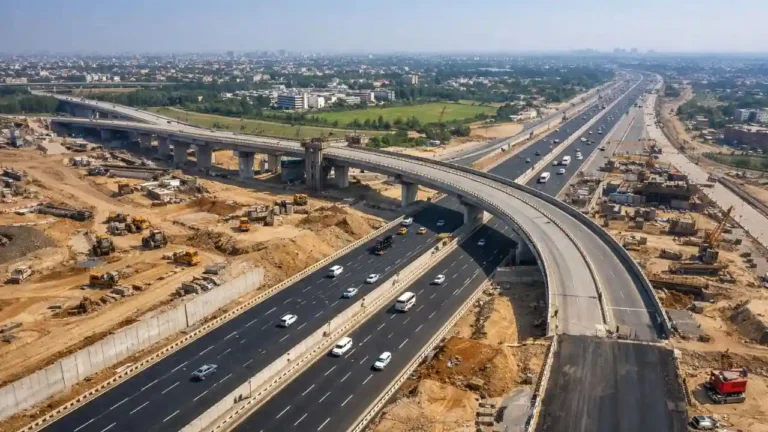
CDA to Build Another Underpass in Islamabad to Ease Traffic has been increasing steadily due to rapid urban expansion, rising vehicle ownership, and daily inflow from Rawalpindi and surrounding areas. In response, the Capital Development Authority (CDA) has announced plans to construct another underpass in Islamabad aimed at easing congestion on one of the city’s busiest traffic corridors.
The project is part of CDA’s broader strategy to modernize Islamabad’s road infrastructure, improve traffic flow, and reduce travel time for commuters. With multiple intersections already operating beyond capacity, the new underpass is expected to play a crucial role in improving mobility across the federal capital.
Growing Traffic Challenges in Islamabad
Over the past decade, Islamabad has transformed from a low-density administrative city into a fast-growing urban hub. New housing societies, commercial centers, educational institutions, and offices have significantly increased daily traffic volumes.
Key traffic challenges include:
- Peak-hour congestion on major arteries
- Increased inter-city movement between Islamabad and Rawalpindi
- Delays at signalized intersections
- Rising fuel consumption due to idle traffic
- Increased air and noise pollution
Despite earlier projects such as underpasses, flyovers, and signal-free corridors, traffic demand continues to outpace infrastructure capacity in several sectors.

CDA’s Infrastructure Expansion Strategy
The CDA underpass project in Islamabad aligns with the authority’s long-term urban mobility plan. According to officials, the focus is on grade-separated intersections rather than traditional signal-based traffic management.
CDA’s recent road strategy includes:
- Construction of new underpasses and flyovers
- Widening of existing roads
- Development of signal-free corridors
- Improved pedestrian and service lanes
- Better drainage and road safety features
The newly announced underpass will address congestion at a critical junction where traffic bottlenecks frequently occur during morning and evening rush hours.

Purpose of the New Underpass in Islamabad
The primary goal of the project is to ensure uninterrupted traffic flow at a high-volume intersection. Underpasses allow through-traffic to bypass signals, significantly reducing stop-and-go movement.
Key objectives include:
- Reducing traffic jams during peak hours
- Cutting average travel time for daily commuters
- Lowering fuel wastage caused by idling vehicles
- Improving road safety by minimizing conflict points
- Supporting smooth traffic movement for emergency services
Urban planners believe that grade-separated infrastructure is essential for a capital city experiencing continuous population growth.
Expected Location and Traffic Impact
While CDA has not officially disclosed all technical details, sources indicate that the underpass will be built at a strategically important intersection with heavy daily traffic load. Such locations typically include:
- Major sector-to-sector connecting roads
- Routes linking Islamabad with Rawalpindi
- Areas near commercial zones or offices
- Roads leading to educational and healthcare institutions
Once operational, the underpass is expected to divert thousands of vehicles daily, easing pressure on surface roads and nearby intersections.

Design and Engineering Features
Modern CDA underpasses are designed to meet international urban road standards. The upcoming project is expected to incorporate:
- Dual-lane carriageways for smooth traffic flow
- Proper ventilation and lighting systems
- Efficient drainage to prevent water accumulation
- Safety barriers and clear road markings
- Pedestrian crossings and service roads where required
Special attention is usually given to structural strength, especially considering Islamabad’s soil conditions and monsoon rainfall patterns.
Construction Timeline and Phased Execution
CDA typically executes such projects in phases to minimize disruption to daily traffic. Although the final timeline will be confirmed after approvals, similar projects have followed this pattern:
- Traffic diversion planning
- Utility shifting (water, gas, electricity, fiber)
- Excavation and structural work
- Road surfacing and finishing
- Safety audits and opening for traffic
Authorities aim to complete the project within a defined timeframe to avoid prolonged inconvenience to commuters.
Traffic Management During Construction
Traffic disruption during construction is a common concern for residents. CDA has indicated that alternative routes and diversions will be planned in coordination with traffic police.
Expected measures include:
- Temporary service roads
- Clear signage for diversions
- Deployment of traffic wardens
- Work during off-peak hours where possible
- Public advisories for commuters
Such arrangements help reduce delays and maintain partial traffic flow during construction.
Economic and Environmental Benefits
Beyond easing congestion, the underpass project offers multiple long-term benefits.
Economic Advantages
- Reduced travel time increases productivity
- Lower fuel consumption cuts transportation costs
- Improved access boosts commercial activity
- Better road efficiency attracts investment
Environmental Impact
- Reduced emissions due to smoother traffic
- Lower noise pollution
- Improved air quality in congested areas
Urban transport experts emphasize that infrastructure upgrades play a key role in making cities more sustainable.
Public Response and Urban Development
Residents and commuters generally welcome underpass projects, especially those who face daily traffic delays. However, some concerns are also raised, such as:
- Temporary inconvenience during construction
- Access issues for nearby businesses
- Pedestrian safety during and after completion
CDA has stated that stakeholder concerns will be addressed through improved planning, better signage, and community coordination.
Islamabad’s Shift Toward Signal-Free Corridors
The new underpass reflects Islamabad’s gradual shift toward signal-free traffic corridors, a model already adopted in several major cities worldwide. By eliminating frequent traffic signals, authorities aim to:
- Improve average travel speed
- Reduce road accidents at intersections
- Enhance overall driving experience
This approach complements future plans such as smart traffic systems and intelligent signal control where underpasses are not feasible.
Future Infrastructure Plans by CDA
The underpass is not a standalone project. CDA’s roadmap includes:
- Additional flyovers and interchanges
- Upgrading existing underpasses
- Improved public transport integration
- Road safety audits and smart monitoring
As Islamabad continues to expand, such projects are expected to increase in frequency to keep pace with urban demands.
Conclusion
The decision by the Capital Development Authority to build another underpass in Islamabad marks a significant step toward addressing the city’s growing traffic challenges. By focusing on grade-separated infrastructure, CDA aims to ensure smoother mobility, reduced congestion, and improved quality of life for residents.
While temporary disruptions during construction are inevitable, the long-term benefits—shorter travel times, lower fuel consumption, and safer roads—make the project a crucial addition to Islamabad’s evolving urban landscape.
FAQs – CDA Underpass Project in Islamabad
Q1: Why is CDA building another underpass in Islamabad?
To reduce traffic congestion, improve flow at busy intersections, and shorten travel time for commuters.
Q2: Will traffic be disrupted during construction?
Yes, but CDA plans diversions and traffic management measures to minimize inconvenience.
Q3: How will the underpass benefit daily commuters?
It will reduce delays, fuel consumption, and congestion during peak hours.
Q4: Is this part of a larger CDA traffic plan?
Yes, the project is part of CDA’s broader strategy to develop signal-free corridors and modern road infrastructure.
Q5: When is the underpass expected to open?
The final completion date will be announced after approvals and construction scheduling.