Punjab Launches Another Program ‘Apna Khet, Apna Rozgar Scheme’ – Great Farming Initiative to Uplift
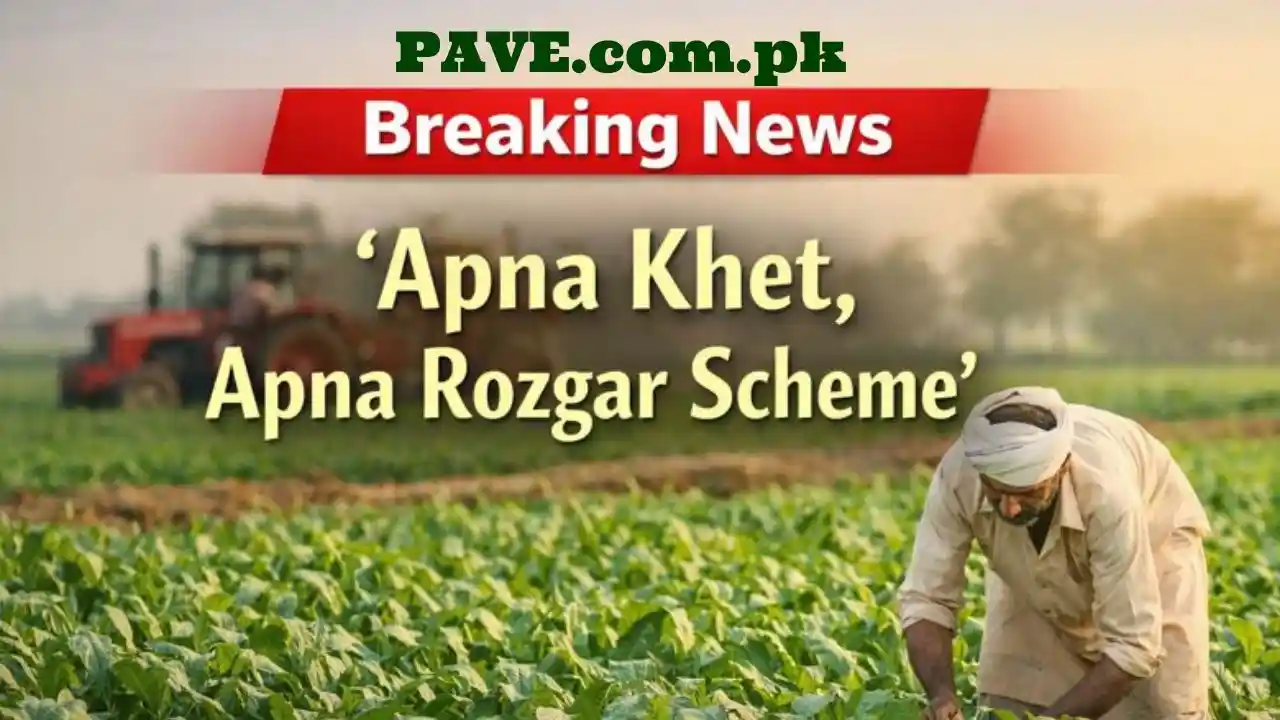
Punjab has once again taken a major step to support farmers and unemployed citizens by launching a new agriculture-based program called “Apna Khet, Apna Rozgar Scheme.” This initiative focuses on providing land access, farming opportunities, and self-employment to people who want to earn a living through agriculture.
The scheme is being seen as a strong move toward rural development, job creation, and food security. At a time when inflation, unemployment, and rising farming costs are affecting common people, this program offers hope, especially for small farmers and landless individuals.
In this article, we explain what Apna Khet, Apna Rozgar Scheme is, who can benefit, how it works, and why it is important for Punjab’s economy.
What Is Apna Khet, Apna Rozgar Scheme?
Apna Khet, Apna Rozgar Scheme is a Punjab government initiative designed to help people earn income through farming, even if they do not own land.
Under this scheme, government-owned or unused agricultural land is expected to be allocated or leased to eligible individuals or groups. The goal is to enable them to cultivate crops, grow vegetables, or adopt modern farming practices to generate sustainable income.
The scheme combines two major needs:
- Employment for jobless or low-income citizens
- Increased agricultural productivity in Punjab
By linking land with livelihood, the government aims to strengthen the farming sector while reducing rural poverty.

Why Punjab Introduced This Scheme
Punjab is the backbone of Pakistan’s agriculture, yet many rural families struggle due to lack of land ownership, rising input costs, and limited job opportunities.
Key reasons behind launching this scheme include:
Rising Rural Unemployment
Many educated and skilled people in villages do not find jobs and migrate to cities. This scheme encourages them to stay and work in agriculture.
Idle Government Land
Large areas of government-owned land remain unused. This initiative ensures productive use of these lands.
Support for Small and Landless Farmers
Not everyone can afford to buy land. Apna Khet, Apna Rozgar removes this barrier.
Boosting Food Production
More cultivation means higher crop output, helping control food shortages and prices.
Who Can Benefit from Apna Khet, Apna Rozgar Scheme?
The scheme is expected to target individuals who are serious about farming but lack resources.
Likely eligible groups include:
- Landless farmers
- Small farmers with limited income
- Unemployed youth from rural areas
- Agriculture graduates and diploma holders
- Farming cooperatives or groups
- Low-income families interested in self-employment
Preference may be given to applicants who already have basic farming knowledge or are willing to adopt modern agricultural methods.

How the Scheme Is Expected to Work
While detailed guidelines are still emerging, the structure of the scheme is expected to follow a practical and transparent process.
Land Allocation or Lease
Government land will be provided on lease or usage basis instead of ownership transfer. This ensures fair distribution and long-term sustainability.
Crop Selection and Planning
Participants may be guided on what crops to grow based on soil, water availability, and market demand.
Technical Support
Agriculture experts and extension services may assist farmers in modern techniques, seed selection, irrigation, and pest control.
Access to Inputs
Farmers may get facilitation in accessing seeds, fertilizers, machinery, or subsidies through existing government programs.
Monitoring and Accountability
Regular monitoring will ensure that land is used properly and productively.

Employment Opportunities Through the Scheme
Apna Khet, Apna Rozgar is not just about farming land. It opens multiple income channels.
Direct Farming Jobs
Participants earn by cultivating crops, vegetables, or fruits.
Allied Agriculture Activities
Livestock, poultry, beekeeping, and fish farming may also be encouraged.
Youth Engagement
Young people can start agribusiness ventures, nurseries, or organic farming projects.
Women Participation
Women in rural areas can benefit through kitchen gardening, seed production, and small-scale farming units.
Economic Impact on Punjab
This scheme can have a long-term positive impact on Punjab’s economy.
Increased Agricultural Output
More cultivated land means higher production of food crops.
Reduced Urban Migration
People will prefer earning in their villages rather than moving to cities.
Poverty Reduction
Stable income from farming helps families meet daily expenses.
Strengthening Rural Economy
Local markets, transport, and services also benefit from increased farming activity.
Connection with Other Punjab Government Programs
Apna Khet, Apna Rozgar aligns with Punjab’s broader development vision.
It complements:
- Kisan support programs
- Agriculture machinery subsidies
- Green initiatives and climate-smart farming
- Youth employment schemes
This integrated approach shows the government’s focus on long-term agricultural sustainability rather than short-term relief.
Challenges and Things to Watch
While the scheme is promising, success depends on proper implementation.
Possible challenges include:
- Fair and transparent land allocation
- Continuous technical support
- Timely access to inputs
- Protection from middlemen exploitation
- Climate and water management
If these issues are addressed properly, the scheme can become a model for other provinces.
Why This Scheme Matters for the Future
Agriculture is not just a profession; it is a lifeline for Pakistan. Programs like Apna Khet, Apna Rozgar show that farming can still be a reliable source of income if supported correctly.
By empowering people with land access and livelihood opportunities, Punjab is investing in:
- Food security
- Employment generation
- Rural stability
- Economic resilience
This initiative reflects a shift toward self-reliance rather than dependency.
Final Words – Apna Khet, Apna Rozgar Scheme’ 2026
Apna Khet, Apna Rozgar Scheme is a timely and much-needed initiative by the Punjab government. It gives landless and unemployed citizens a chance to stand on their own feet through agriculture.
If implemented with transparency, fairness, and continuous support, this program can transform rural lives and strengthen Punjab’s agricultural backbone.
For many families, this scheme is not just about land. It is about dignity, income, and a better future.