Who Qualifies For PAVE Govt e-Rikshaws & e-Bike Schemes 2026 & What’s Application Process
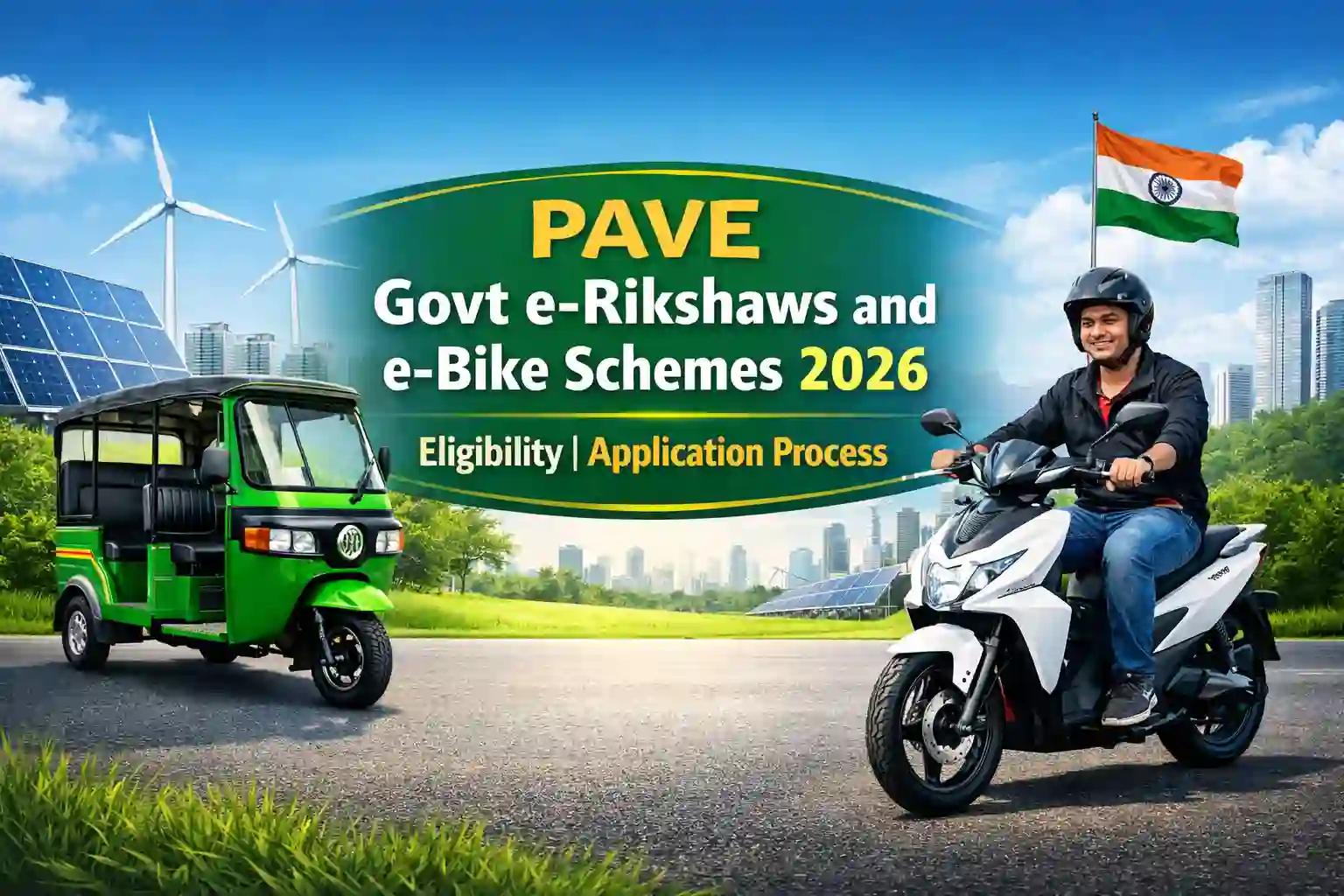
Pakistan is gradually moving toward electric transport, and the government’s PAVE Programme is one of the biggest steps in that direction. Rising petrol prices and pollution problems have pushed authorities to promote electric vehicles, especially for daily commuters and small business operators.
Under the PAVE Government Scheme 2026, eligible citizens can obtain subsidized electric bikes and electric rickshaws on easy financing plans. This initiative not only reduces fuel expenses but also creates income opportunities for drivers and delivery workers.
Many people, however, still do not clearly understand who qualifies and how to apply. This guide explains everything in simple terms so applicants can prepare properly before registration opens.
What Is the PAVE Programme?
PAVE stands for Pakistan Accelerated Vehicle Electrification Programme. It is a federal initiative aimed at increasing the use of electric vehicles across Pakistan.
The government wants to:
- Reduce fuel imports and petrol consumption
- Control air pollution in major cities
- Support eco-friendly transportation
- Help citizens access cheaper travel options
- Create employment through electric rickshaw operations
Under the programme, approved manufacturers and banks partner with the government to offer vehicles at subsidized rates with installment plans.
The most popular vehicles under the scheme include:
- Electric bikes
- Electric scooters
- Electric passenger rickshaws
- Electric loader rickshaws
These vehicles are suitable for students, office workers, delivery riders, and drivers seeking income opportunities.

Who Qualifies for the PAVE Scheme 2026?
Not everyone automatically qualifies. Applicants must meet certain eligibility rules set by the government.
Pakistani Citizenship Is Mandatory
Applicants must be Pakistani citizens with a valid Computerized National Identity Card (CNIC). Residents of Azad Jammu & Kashmir and Gilgit-Baltistan are also eligible.
Without a valid CNIC, online registration cannot be completed.
Age Requirements
Age limits differ slightly depending on vehicle type.
For electric bikes:
- Minimum age: 18 years
- Maximum age: Around 65 years
For electric rickshaws:
- Minimum age: 21 years
- Maximum age: Around 65 years
These limits ensure drivers are mature enough to handle vehicles safely.
Priority Groups and Special Quotas
To make the programme inclusive, certain groups receive priority allocation.
Priority categories may include:
- Women applicants
- Differently-abled citizens
- Overseas Pakistanis investing locally
- Low-income applicants
- Youth seeking employment opportunities
This does not mean others cannot apply. It simply increases chances for priority groups during selection.
One Vehicle per Applicant
Generally, a single applicant can apply for only one vehicle. Multiple applications under the same CNIC may lead to rejection.
However, business operators applying for commercial electric rickshaw fleets may receive separate guidelines.
Financial Eligibility
While strict income limits are not always publicly stated, applicants usually need:
- Ability to pay a small down payment
- Capability to handle monthly installments
- Basic financial verification by partner banks
Those already benefiting from similar government EV subsidies may not qualify again.

Documents Required for Application
Applicants should prepare documents before registration begins to avoid mistakes or delays.
Commonly required documents include:
- Valid CNIC copy
- Recent passport-size photograph
- Proof of residence
- Mobile phone number registered in applicant’s name
- Email address for updates
- Income proof or employment details (if required)
- Disability certificate or quota evidence (if applying under special category)
Uploading clear and accurate documents improves approval chances.

Benefits of the PAVE Electric Vehicle Scheme
The scheme offers several financial and practical advantages.
Subsidized Vehicle Price
The government provides financial support, reducing vehicle prices compared to market rates. Subsidy amounts vary depending on policy updates and vehicle models.
This makes electric vehicles affordable for middle and lower-income families.
Easy Installment Plans
Instead of paying the full cost, selected applicants can pay through:
- Low monthly installments
- Low or zero markup financing
- Bank-supported payment plans
This option makes ownership easier for working individuals.
Lower Running Costs
Electric vehicles cost far less to operate compared to petrol vehicles.
Owners save money on:
- Fuel expenses
- Engine maintenance
- Oil changes
- Frequent repairs
For delivery riders and drivers, this can significantly increase monthly savings.
Employment Opportunities
Electric rickshaws create earning opportunities in:
- Passenger transport
- School pick-and-drop services
- Delivery operations
- Goods transport
This helps unemployed youth start small businesses.

Step-by-Step Application Process
The PAVE scheme uses an online system to maintain transparency. Below is the general process applicants should follow.
Step 1: Visit Official Registration Portal
Applicants must visit the official PAVE website once registration opens. All applications are accepted online only.
Offline or manual applications are usually not entertained.
Step 2: Create an Account
Applicants must register using:
- CNIC number
- Mobile number
- Email address
A verification code is sent to confirm identity before accessing the application form.
Step 3: Fill Application Form
Inside the portal dashboard, applicants must:
- Select vehicle type
- Enter personal information
- Upload required documents
- Provide address and employment details
- Confirm quota category if applicable
Applicants should double-check all information before submission.
Step 4: Pay Application Fee
A small processing fee may be required. Payment methods usually include:
- Online banking
- Mobile wallet services
- Bank deposits
Payment confirmation is necessary for application completion.
Step 5: Computerized Balloting
Due to high demand, vehicles are allocated through a transparent computerized balloting system.
Every eligible applicant gets a fair chance regardless of registration timing.
Step 6: Selection Notification
Selected applicants receive updates through:
- SMS alerts
- Email notifications
- Portal dashboard status
Instructions are then provided for financing and vehicle collection.
Step 7: Financing and Vehicle Delivery
Selected applicants complete bank procedures, make down payment, and receive vehicles through authorized dealers.
Installment schedules are finalized before delivery.
Common Mistakes Applicants Should Avoid
Many applications fail due to small errors. Common mistakes include:
- Uploading blurred documents
- Entering wrong CNIC numbers
- Providing incorrect contact details
- Submitting incomplete forms
- Applying multiple times
Applicants should carefully review information before submission.
Who Should Consider Applying?
This scheme is ideal for:
- Students needing affordable transport
- Office workers with daily commute
- Delivery riders
- Unemployed youth seeking income
- Women starting small businesses
- Drivers shifting from petrol vehicles
Electric vehicles are especially useful in cities facing fuel cost pressures.
Expected Impact of the Scheme in 2026
Experts expect the programme to:
- Reduce fuel consumption
- Lower urban pollution
- Support green transportation
- Create employment
- Promote local EV manufacturing
If implemented effectively, electric vehicles may become common across Pakistan within a few years.
Final Thoughts – PAVE Govt e-Rikshaws and e-Bike Schemes 2026 Eligibility Application Process
The PAVE Government e-Bike and e-Rickshaw Scheme 2026 offers a strong opportunity for citizens to access affordable electric transport while reducing fuel expenses and pollution.
Anyone meeting eligibility requirements should prepare documents early and stay updated on official announcements. Applying correctly and on time improves chances of selection.
Electric mobility is not just about transport anymore. It is becoming an economic opportunity for thousands of Pakistanis seeking lower travel costs or new income sources.
As electric vehicle adoption grows, programmes like PAVE can play a key role in shaping Pakistan’s transportation future.