
Khyber Pakhtunkhwa Unveils Inclusive Reforms for Transgender Rights
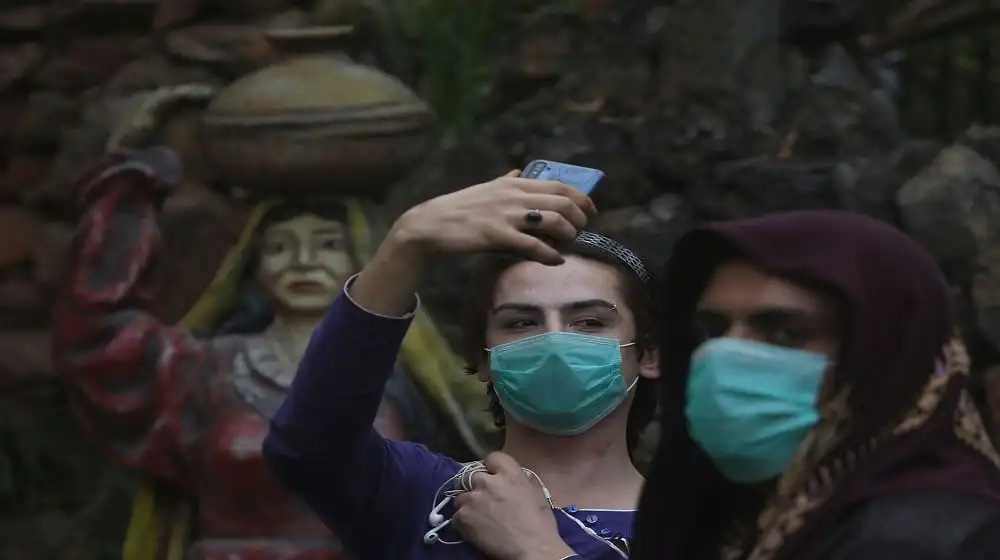
The Khyber Pakhtunkhwa Government has officially launched a comprehensive Transgender Protection Policy aimed at safeguarding the rights of transgender persons, commonly known as Khawaja Sira, across the province.
The new policy focuses on reducing harassment, discrimination, and social exclusion while promoting economic empowerment, healthcare access, education opportunities, and workplace inclusion.
Officials describe the move as a major step toward long-term social reform in Khyber Pakhtunkhwa (KP).

This detailed article explains:
- Key features of the KP Transgender Protection Policy
- Welfare endowment fund details
- Safe homes and rehabilitation centers
- Healthcare and education reforms
- Employment quotas and workplace protections
- Role of police and district authorities
- Impact on transgender rights in Pakistan
The article is written in easy English and includes important Google search keywords.
What Is the KP Transgender Protection Policy?
The new policy introduces a structured framework to protect transgender individuals from:
- Violence
- Harassment
- Discrimination
- Social exclusion
It also aims to provide long-term empowerment through economic and educational initiatives.
The Social Welfare Department will lead implementation across the province.
First Dedicated Transgender Welfare Endowment Fund
One of the most significant features of the policy is the establishment of KP’s first Transgender Welfare Endowment Fund.
The fund will support:
- Skills development programs
- Small business financing
- Vocational training
- Rehabilitation programs
- Financial assistance
This move shifts focus from basic protection to economic empowerment.
Search keywords: KP transgender welfare fund, transgender empowerment KP 2026, Khawaja Sira support policy.
Safe Homes and Rehabilitation Centers
The policy includes the creation of:
- Safe houses
- Community shelters
- Rehabilitation centers
These facilities will support transgender individuals who face:
- Domestic violence
- Social displacement
- Homelessness
- Threats to personal safety
Providing secure shelter is seen as a critical step in reducing vulnerability.
Province-Wide Transgender Welfare Registry
Authorities will create a transgender welfare registry across KP.
The registry will help individuals access:
- Social protection schemes
- Healthcare benefits
- Education scholarships
- Employment programs
According to National Database and Registration Authority (NADRA), around 170 transgender individuals are officially registered in KP. However, social welfare officials estimate the actual number is significantly higher.
The registry aims to ensure better data collection and targeted support.
Inclusive Healthcare Services
- Non-discriminatory healthcare access
- Dedicated health services
- Sensitivity training for hospital staff
- Mental health support
The Health Department will introduce inclusion-focused reforms to ensure respectful treatment of transgender individuals.
Search terms like transgender healthcare Pakistan and KP inclusive health reforms are gaining attention.
Education Access and Scholarships
Educational reforms under the policy include:
- Non-discriminatory admissions in schools and colleges
- Scholarships for transgender students
- Protection from harassment in institutions
These measures aim to improve literacy and higher education participation among transgender persons.
Employment Quotas and Workplace Protection
The KP government plans to introduce:
- Employment quotas
- Anti-discrimination workplace policies
- Public sector hiring opportunities
- Private sector awareness campaigns
The goal is to increase employment participation and reduce economic dependency.
Search keywords: transgender employment quota KP, Khawaja Sira job policy Pakistan.
Police Coordination and Legal Protection
The policy strengthens law enforcement mechanisms by:
- Establishing district-level protection committees
- Creating police coordination desks
- Conducting rights-awareness training for officers
These steps aim to improve justice access and reduce violence.
Transport and Public Service Reforms
The new framework also includes reforms in:
- Public transport policies
- Government service delivery
- Social awareness campaigns
Authorities want to promote dignity and equal access in public spaces.
Building on National Law
Pakistan already has protections under the Transgender Persons (Protection of Rights) Act.
However, KP’s new policy shifts focus from:
- Protection alone
to - Social and economic empowerment
Officials say this strategy ensures long-term inclusion rather than temporary relief.
Revival of Earlier Inclusion Efforts
The policy revives previous initiatives introduced during the tenure of Pakistan Tehreek-e-Insaf (PTI), which remained largely unimplemented.
The new framework aims to ensure:
- Practical implementation
- Budget allocation
- Monitoring mechanisms
- Accountability
Challenges in Implementation
While the policy is comprehensive, challenges may include:
- Social stigma
- Limited awareness
- Budget constraints
- Data gaps
Successful implementation will depend on coordination between departments and consistent monitoring.
Why This Policy Matters
The transgender community in Pakistan faces significant challenges:
- Limited job opportunities
- Social discrimination
- Violence and harassment
- Barriers to education
The KP Transgender Protection Policy is expected to:
- Improve social acceptance
- Increase economic independence
- Strengthen legal protection
- Promote inclusive governance
Public Reaction and Social Impact
Human rights groups and social activists have welcomed the initiative, calling it a progressive step toward equality.
Search trends include:
- KP transgender protection policy 2026
- Khawaja Sira welfare KP
- Transgender rights Pakistan update
- KP social welfare reforms
Long-Term Vision
Officials hope the policy will lead to:
- Higher school enrollment
- Increased employment rates
- Better healthcare access
- Stronger community integration
The ultimate goal is to ensure dignity, safety, and equal opportunity.
Conclusion
The launch of the KP Transgender Protection Policy marks a significant milestone in Pakistan’s social welfare reforms.
By introducing a welfare fund, safe homes, employment quotas, healthcare reforms, and legal protection mechanisms, the Khyber Pakhtunkhwa government aims to move beyond symbolic gestures toward meaningful empowerment.
If effectively implemented, the policy could improve education, employment, healthcare access, and social inclusion for transgender persons across the province.