Pakistan Plans To Bring Interest Rates To A Single Digit
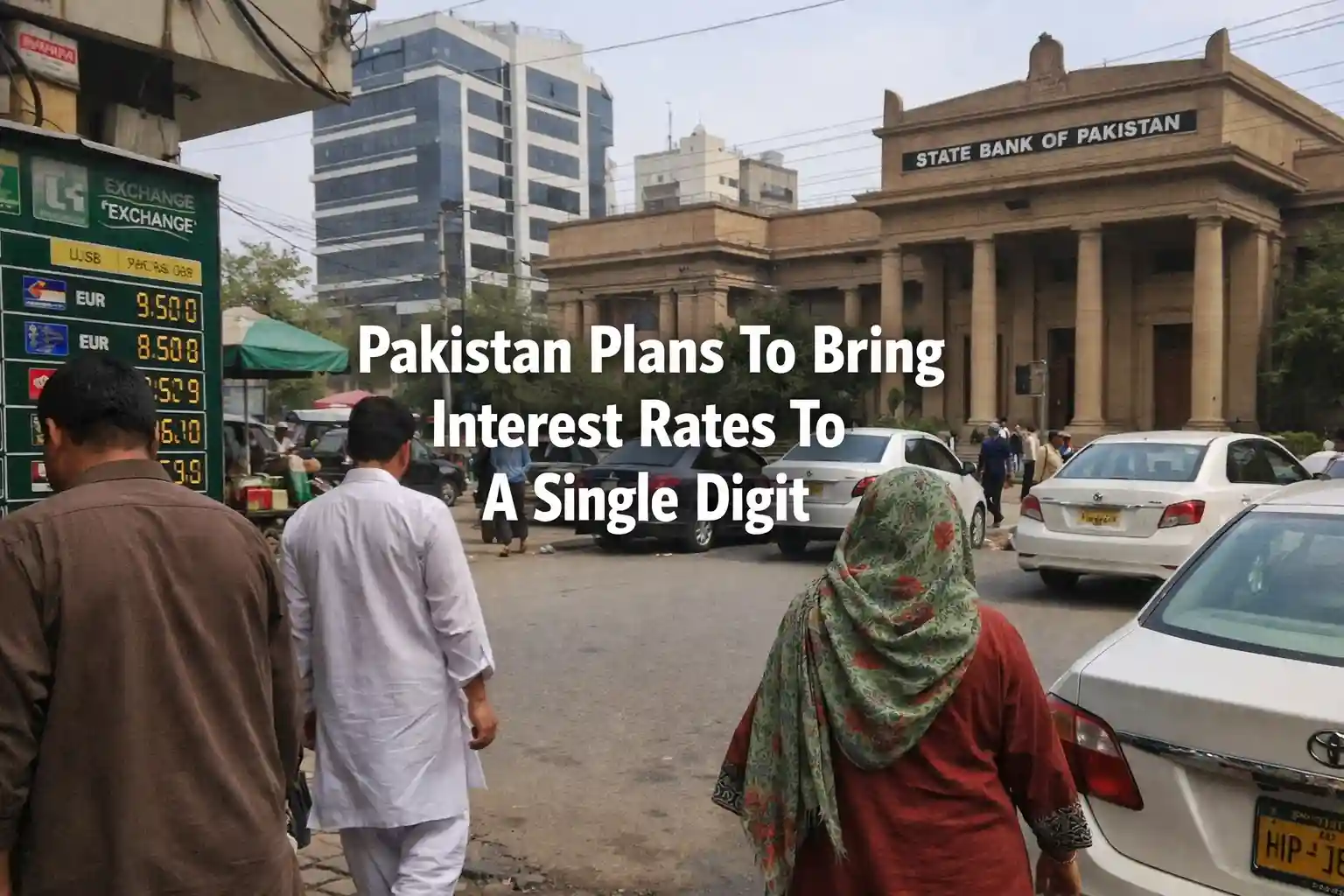
Pakistan’s economic policymakers have signaled a major shift in monetary strategy as the country plans to bring interest rates down to a single digit. This move is expected to provide relief to businesses, investors, and the general public who have been struggling with high borrowing costs over the past few years. The decision comes at a time when inflation is gradually stabilizing and economic activity is showing signs of recovery.
For months, the high policy rate has impacted industries, slowed down construction projects, discouraged new investments, and increased financial pressure on households. Now, with improving macroeconomic indicators, the government and the central bank appear ready to adopt a more growth-focused approach. Bringing interest rates to a single digit could mark the beginning of a new economic phase in Pakistan.
Why Pakistan Plans To Bring Interest Rates To A Single Digit
The main reason behind reducing interest rates is to stimulate economic growth. High interest rates were originally implemented to control inflation and stabilize the currency. While this strategy helped in curbing inflationary pressure, it also slowed down business expansion and private sector investment.
Now that inflation is showing signs of moderation, policymakers believe it is the right time to gradually reduce borrowing costs. Lower interest rates can encourage businesses to take loans, expand operations, and create jobs. This policy shift aims to balance inflation control with economic growth.
Another key factor is improving investor confidence. When interest rates are lower, both local and foreign investors are more likely to invest in industries, infrastructure, and development projects.
Impact of Single Digit Interest Rate on Pakistan’s Economy
1. Boost to Business Growth
One of the biggest benefits of a single digit interest rate is reduced cost of borrowing for businesses. Companies that rely on bank financing for expansion will benefit significantly. Lower financing costs can increase profitability and encourage reinvestment.
Small and medium enterprises (SMEs), which form the backbone of Pakistan’s economy, will particularly benefit from affordable loans.
2. Relief for the Construction and Real Estate Sector
The construction industry has been under pressure due to expensive loans. If interest rates fall below 10%, housing finance and construction projects are likely to see renewed momentum. This sector has strong linkages with over 40 allied industries, so growth here can create a ripple effect across the economy.
3. Improved Consumer Spending
When borrowing becomes cheaper, consumers are more willing to finance purchases such as cars, homes, and appliances. Increased consumer spending contributes directly to economic growth.
4. Encouragement for Export-Oriented Industries
Lower interest rates reduce production costs, making Pakistani exports more competitive in global markets. Export-oriented industries such as textiles, agriculture, and manufacturing may gain momentum.
Inflation Control and Monetary Policy Strategy in Pakistan
High interest rates were initially introduced to control rising inflation. Inflation had reached record levels due to global commodity price increases, currency depreciation, and domestic supply issues.
By tightening monetary policy, the central bank managed to slow down demand and stabilize prices. Now, as inflation trends downward, policymakers have more room to ease monetary policy.
However, experts suggest that rate cuts will likely be gradual rather than immediate. The government must ensure inflation does not surge again after the reduction.

Challenges in Bringing Interest Rates to Single Digit
While reducing interest rates sounds promising, there are several risks and challenges:
1. Risk of Inflation Rebound
If rates are reduced too quickly, inflation could rise again. Policymakers must carefully analyze economic indicators before implementing aggressive cuts.
2. Exchange Rate Stability
Lower interest rates sometimes lead to pressure on the currency. Foreign investors may shift capital to countries offering higher returns. Pakistan must maintain strong foreign exchange reserves to avoid currency volatility.
3. Fiscal Discipline
Monetary easing alone cannot fix structural economic issues. The government must maintain fiscal discipline, control public spending, and improve tax collection.

How Single Digit Interest Rates Benefit the Public
For ordinary citizens, this policy shift can bring several benefits:
- Lower monthly installments on personal and home loans
- Increased job opportunities due to business expansion
- Improved economic stability
- Better access to financing for small entrepreneurs
People planning to start new businesses may find it easier to secure affordable financing under a lower interest rate environment.
Role of State Bank and Government Economic Policy
The central bank plays a critical role in setting the policy rate. Interest rate decisions are based on inflation forecasts, economic growth trends, global market conditions, and exchange rate stability.
The government’s economic reform agenda also influences monetary decisions. If structural reforms continue and revenue collection improves, policymakers will have greater flexibility to reduce rates.
Coordination between fiscal and monetary authorities is essential for sustainable economic recovery.
Comparison with Regional Countries
Many regional economies have already started easing monetary policy as inflation pressures decline globally. If Pakistan successfully reduces interest rates to single digit levels, it could align with regional trends and improve competitiveness.
Lower rates can make Pakistan a more attractive destination for investment compared to other emerging markets with higher borrowing costs.
Long-Term Economic Outlook After Interest Rate Reduction
If implemented carefully, bringing interest rates to single digit levels could mark the beginning of sustained economic recovery. Economic growth may accelerate as private sector confidence improves.
However, long-term success depends on:
- Structural reforms
- Stable political environment
- Consistent economic policies
- Strong export performance
- Controlled fiscal deficit
A balanced approach is necessary to ensure that growth does not come at the cost of renewed inflation.
FAQs – Pakistan Plans To Bring Interest Rates To A Single Digit
1. Why is Pakistan planning to reduce interest rates to a single digit?
Pakistan aims to stimulate economic growth, encourage investment, and reduce borrowing costs after inflation has shown signs of stabilization.
2. How will a single digit interest rate benefit businesses?
Businesses will experience lower financing costs, improved profitability, and better opportunities for expansion and job creation.
3. Will inflation increase again if interest rates are reduced?
There is a possibility if rates are cut too quickly. Policymakers are expected to reduce rates gradually to avoid inflation rebound.
4. How does a lower interest rate help ordinary citizens?
It reduces loan installments, improves job opportunities, and increases access to affordable financing.
5. When will Pakistan achieve single digit interest rates?
The timeline depends on inflation trends, economic stability, and policy decisions by the central bank.
Conclusion – Pakistan’s Move Toward Single Digit Interest Rates
Pakistan’s plan to bring interest rates to a single digit represents a significant shift in economic strategy. After a period of tight monetary policy aimed at controlling inflation, the focus is gradually shifting toward growth and development.
If implemented carefully and supported by structural reforms, this policy could provide much-needed relief to businesses and households. However, authorities must remain cautious to maintain economic stability and prevent inflationary pressures from returning.