
Today Update: Rain and Snowfall Prediction Across Pakistan
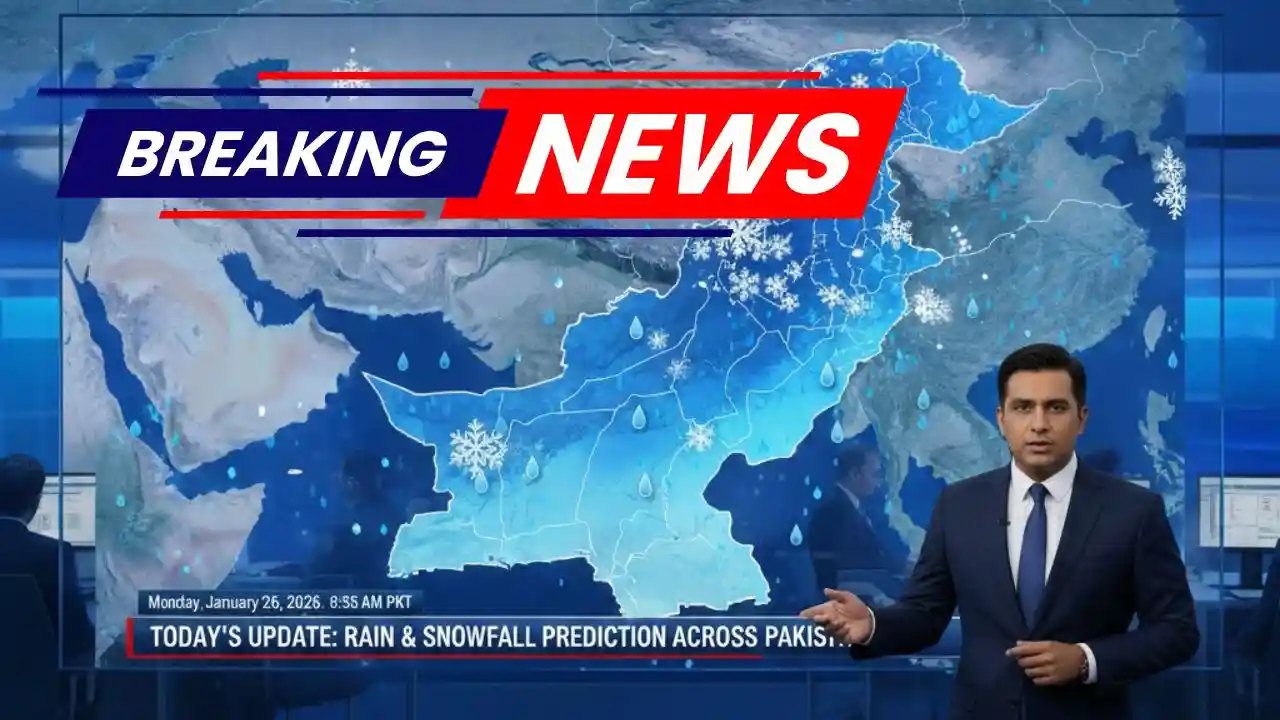
Rain and Snowfall Prediction Across Pakistan is currently experiencing a significant shift in weather due to a strong western disturbance moving across the country. This system is bringing widespread rain, snowfall, thunderstorms, and colder temperatures to many regions. From the high mountains of Gilgit-Baltistan and Kashmir to the plains of Punjab, Sindh, and Khyber Pakhtunkhwa, weather patterns are changing rapidly.
This today update provides a clear and detailed forecast of where rain and snowfall is most likely, the expected impacts on daily life and travel, and important safety advice for residents and visitors.
1. Overview of Today’s Weather Conditions in Pakistan
A western weather system has arrived in Pakistan and is expected to influence weather conditions for the next few days. These systems generally originate from the Mediterranean and move eastwards, bringing moisture and cooler air with them. As a result, many areas of the country will receive rain, snow, or a combination of both.
The cold air associated with the system is also contributing to a cold wave, with night-time temperatures falling significantly below average in many regions. This combination of rain, snow, and cold temperatures makes this one of the more active winter systems of the season so far.

2. Rainfall Prediction Across Pakistan
Rainfall will not be evenly distributed; some areas will see heavier showers while others will have lighter rain or drizzle.
Punjab Region
In Punjab, the northern and central parts are expected to see rain. Cities and districts such as Islamabad, Rawalpindi, Murree, and the surrounding Galliyat region will likely experience moderate to heavy rain. Plains areas like Lahore, Faisalabad, and Sargodha may receive light to moderate rain with periods of cloudiness and occasional thunder.
Sindh
Rainfall is expected in upper Sindh, particularly in areas such as Sukkur, Larkana, and Jacobabad. In these parts, rain may be scattered but intensify at times, especially in the later part of the day and into the evening. Coastal Sindh, including Karachi, will be cold, with chances of light rain or drizzle depending on how far the system extends.
Khyber Pakhtunkhwa
In Khyber Pakhtunkhwa, the plains such as Peshawar, Mardan, and Swabi are likely to see rain and possible thunderstorms. This activity may be strong at times, with lightning and gusty winds. The rainfall in lower KP is expected to be moderate, with higher elevations seeing colder conditions.
Balochistan
Rain is also forecast across much of Balochistan, including Quetta, Ziarat, Kalat, and Zhob divisions. In the highland areas of Balochistan, rain may turn to snow at higher elevations. The driest parts of southern Balochistan, especially near the coast, will remain mostly dry but cold.

3. Snowfall Forecast in Mountainous Regions
Snow is one of the most significant features of this weather system, especially in high altitude areas:
Gilgit-Baltistan
The mountainous region of Gilgit-Baltistan will see moderate to heavy snowfall, particularly in areas such as Skardu, Hunza, Astore, and surrounding valleys. This snowfall can accumulate quickly and lead to road blockages and travel difficulties, especially on high mountain passes.
Kashmir
In Azad Jammu & Kashmir, valleys and higher slopes are expected to receive snow. Places such as Neelum Valley, Rawalakot, and Muzaffarabad may see periods of snowfall and snow-mix rain, depending on elevation.
Murree and Galliyat
The popular hill stations of Murree and the Galliyat region will experience snow as temperatures fall. Snowfall is likely to continue through the evening and into the night in many parts of the hills.
Upper Khyber Pakhtunkhwa
In upper KP areas like Chitral, Dir, Swat, and Kalam, snowfall is expected to be moderate to heavy, especially over higher peaks and passes. Travelers should prepare for disruptions and hazards due to snow and ice.

4. Temperature Trends and Cold Wave
Alongside rain and snow, Pakistan is experiencing a cold wave, meaning temperatures are significantly lower than seasonal averages in many regions.
- Plains areas at night will be chilly, with some locations dropping into near-freezing temperatures.
- Mountainous regions will be much colder, with heavy frost and potential sub-zero temperatures.
- Cold mornings and evenings will continue for several days as the system continues to influence the country.
This drop in temperature can intensify the effects of rain and snow, making conditions feel much colder than usual.

5. Possible Impacts on Daily Life and Infrastructure
Road Safety and Travel Delays
Snowfall in mountainous regions can lead to road closures and travel delays. Key roadways and mountain passes may become slippery and difficult to navigate. Motorists are advised to:
- Avoid travel to mountainous areas unless absolutely necessary.
- Check weather and road conditions before setting out.
- Carry warm clothing, emergency supplies, and a fully charged mobile phone.
In plains and urban areas, rain may lead to reduced visibility, wet roads, and localized traffic congestion.
Risk of Landslides and Avalanches
Heavy snow on steep slopes increases the risk of landslides and avalanches. Residents and visitors in hilly areas should be aware of these risks, particularly after periods of heavy snow.
Urban Flooding
In cities, rain combined with inadequate drainage systems may result in localized waterlogging or flooding. This can affect traffic and daily activities.
Health Considerations
The cold weather combined with rain may increase the incidence of cold and flu-related illnesses. Vulnerable populations, such as older adults and children, should take extra precautions to stay warm and dry.
6. How to Prepare and Stay Safe
Here are practical tips to help you stay safe during this weather:
Monitor Local Weather Updates
Follow official weather forecasts for your specific area so you can plan ahead and prepare for changing conditions.
Prepare Your Home
Ensure that your home is insulated and warm. Check that heaters and blankets are available, especially in regions expecting very cold nights.
Travel Smart
If you need to travel:
- Inform someone about your travel plans.
- Avoid driving at night in heavy rain or snow.
- Use winter tires or chains if driving in snowy mountainous areas.
Stay Healthy
Dress in layers to keep warm, and avoid prolonged exposure to cold and wet conditions. Stay dry whenever possible.
7. Frequently Asked Questions (FAQs)
Q1: Will it rain and snow everywhere in Pakistan today?
No. Rain will occur mainly in parts of Punjab, Sindh, Khyber Pakhtunkhwa, and Balochistan. Snowfall will be concentrated in mountainous areas like Gilgit-Baltistan, Kashmir, Murree, and upper KP.
Q2: How long will this weather system affect Pakistan?
This weather system is expected to influence conditions for several days. The most significant rain and snowfall will occur today and continue into the next couple of days before gradually weakening.
Q3: Are there travel advisories for tourists?
Yes. Tourists heading to mountainous destinations should exercise caution or postpone travel plans if possible. Heavy snow and icy roads can make travel very difficult and dangerous.
Q4: Could this weather cause flooding?
In urban areas with heavy rain and poor drainage, localized flooding or waterlogging may occur, affecting traffic and daily life.
Q5: What precautions should residents take?
Stay updated with weather reports, prepare homes for cold conditions, avoid unnecessary travel, and dress warmly, especially during rain and snowfall.
Conclusion
Today’s update confirms that Pakistan is experiencing significant rain and snowfall due to a western weather system, with varying impacts across the country. While plains may see rain and thunderstorms, higher mountainous regions are forecast to experience snow, potentially heavy at times. Temperatures are colder than usual, and residents should take appropriate precautions to stay safe during these challenging weather conditions.