
Khalil Ur Rehman Qamar Case of Making An Inappropriate Video Viral
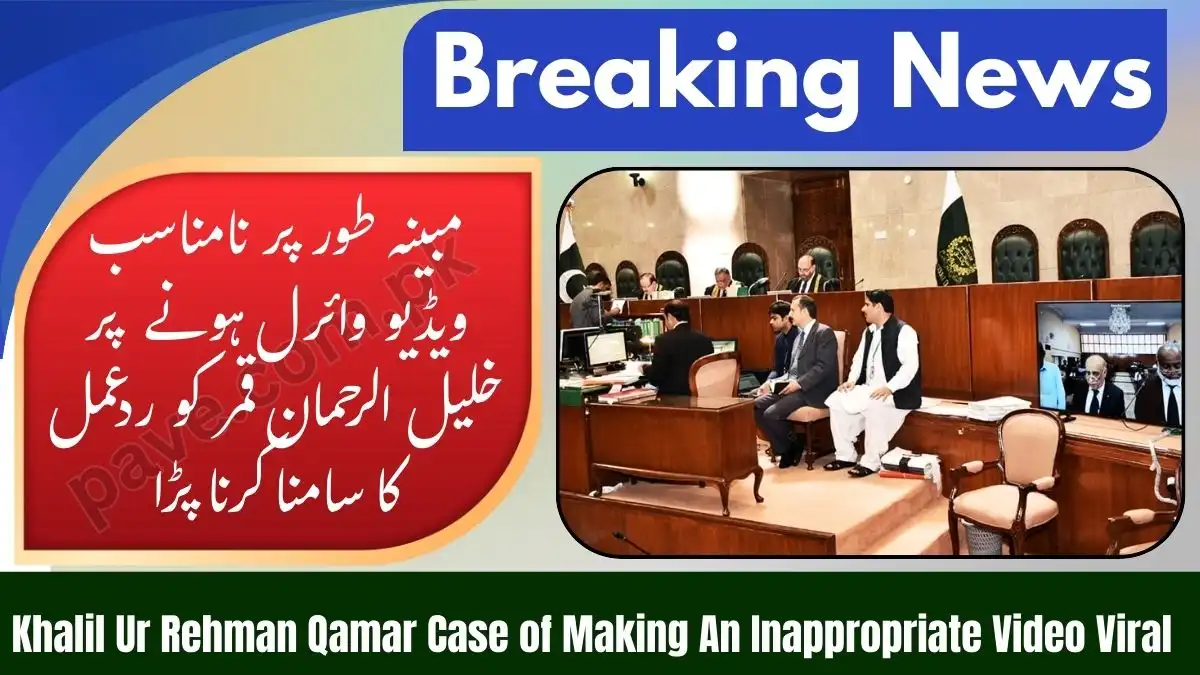
The high-profile case involving renowned playwright Khalil-ur-Rehman Qamar continues to evolve, shifting its legal focus from alleged kidnapping to cybercrime, digital privacy, and defamation laws. As of January 2026, courts are re-examining digital evidence, bail decisions, and the legal implications of recording and viralizing private content.
Recent Court Developments (January 2026)
Bail Granted to Amna Urooj
On January 21, 2026, a local court in Lahore granted bail to Amna Urooj, the primary accused in the case related to the recording and circulation of an inappropriate video.
This decision does not amount to acquittal. Instead, it allows the accused temporary release while the court continues to evaluate evidence and legal arguments.
NCCIA Digital Records Under Review
The court has sought and reviewed records from the National Counter Crime Investigation Agency (NCCIA) concerning:
- The mobile phone allegedly used to record the video
- Digital traces related to leakage and viral spread
- Metadata and forensic indicators relevant to intent and authorship
These records are central to determining whether the act constitutes intentional cybercrime.
Previous Sentence Suspension by Lahore High Court
Earlier, the Lahore High Court had suspended a 7-year sentence previously awarded to Amna Urooj. That suspension triggered the current phase of:
- Bail proceedings
- Fresh evidence review
- Legal re-classification of charges

Background of the Case (Timeline Overview)
The controversy began on July 15, 2024, and has since developed into a complex dispute marked by two sharply conflicting narratives.

Version 1: Khalil-ur-Rehman Qamar’s Account
According to the complainant:
- He was invited to Amna Urooj’s residence at night to discuss a potential drama project
- Upon arrival, he was allegedly kidnapped by armed individuals
- The operation was allegedly masterminded by a suspect named Hassan Shah
- He claims:
- His belongings were stolen
- He was forced to pay ransom
- An inappropriate video was recorded under duress
- The alleged purpose of the video was blackmail and reputational damage
Version 2: Accused’s Narrative (Amna Urooj & Legal Team)
The defense disputes the kidnapping claim and argues:
- The interaction was not purely professional
- Khalil-ur-Rehman Qamar had been in personal contact with Amna Urooj
- The meeting was consensual
- The video was allegedly leaked during a personal dispute, not as part of a pre-planned criminal operation
- They deny the allegation of a ransom-driven kidnapping conspiracy

Key Players Involved (As of January 2026)
| Name | Role in Case | Current Status |
|---|---|---|
| Khalil-ur-Rehman Qamar | Complainant / Alleged Victim | Challenging acquittals and rulings in higher courts |
| Amna Urooj | Central Accused | Granted bail on January 21, 2026 |
| Hassan Shah | Alleged Mastermind | Under judicial process; named as ringleader |
| NCCIA / FIA | Investigative Bodies | Providing digital forensic analysis |
Current Legal Focus: Cybercrime & Digital Privacy
While kidnapping and ransom were initially central, the case has now shifted decisively toward cybercrime law.
Court’s Observations
The court has recently emphasized that:
- Recording private content on personal mobile phones
- And subsequently leaking or viralizing it
- Cannot be treated as a minor offense
This places the case squarely under:
- Cybercrime statutes
- Defamation laws
- Digital privacy protections
The outcome may set an important precedent for Pakistan’s handling of digital abuse cases.
Why This Case Matters
- Highlights legal gaps in handling private digital content
- Tests the boundaries of consent, coercion, and intent
- Signals stricter judicial stance on viral video crimes
- Reinforces that digital actions carry criminal liability, even without physical violence
Current Status (January 2026 Snapshot)
- Bail granted, not acquittal
- Digital forensics under scrutiny
- Higher courts likely to determine final legal direction
- Cybercrime aspect now central to prosecution
Final Takeaway
The Khalil-ur-Rehman Qamar case has evolved into one of Pakistan’s most consequential digital-crime trials, with courts clearly signaling that privacy violations and viral abuse are serious criminal matters. As proceedings continue, the verdict may shape how future cases involving personal data misuse and online defamation are prosecuted.