Hackers Use QR Codes to Bypass Email Security in 2025
Phishing attacks using malicious QR codes increased more than five times in 2025, marking one of the most dangerous shifts in cybercrime tactics in recent years. According to a new report by Kaspersky, cybercriminals are increasingly abusing QR codes to bypass traditional email security systems and trick users into giving away sensitive information.
This detailed article is written in easy English, includes SEO-friendly keywords, clear H2 headings, and ends with 5 important FAQs, along with a meta description and focus keywords to help readers fully understand this growing digital threat.
What Is QR Code Phishing?
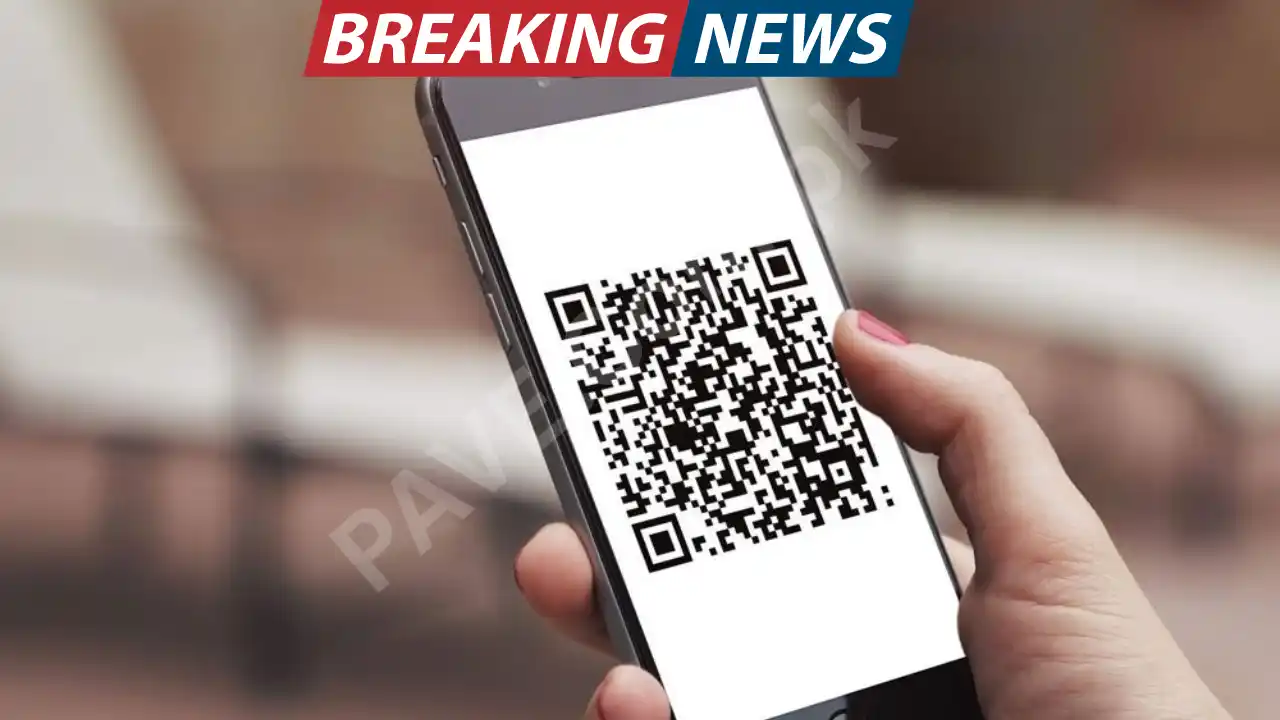
QR code phishing (also called QR phishing or Quishing) is a cyberattack technique where attackers hide malicious links inside QR codes.
Instead of clicking a suspicious link in an email, victims are encouraged to:
- Scan a QR code using their mobile phone
- Open a fake website that looks legitimate
- Enter usernames, passwords, or other sensitive data
Because the link is hidden inside an image, many email security systems fail to detect it.

QR Phishing Attacks Increased Fivefold in 2025
According to Kaspersky’s data:
- 46,969 malicious QR phishing emails were detected in August 2025
- This number jumped to 249,723 by November 2025
That is a fivefold increase in just three months, showing how fast cybercriminals are adopting this method.
Security experts warn that this trend is likely to continue in 2026.

Why Cybercriminals Prefer QR Codes
Attackers are increasingly using QR codes because they offer several advantages:
Key Reasons:
- QR codes hide malicious URLs
- Lower detection by email security tools
- Easy and cheap to generate
- Encourage mobile scanning, where security is weaker
As Roman Dedenok, Anti-Spam Expert at Kaspersky, explained, QR codes have become one of the most effective phishing tools in recent times.
How QR Codes Are Used in Phishing Emails
Most QR phishing attacks are delivered through email campaigns.
Common Delivery Methods:
- QR codes embedded directly in email messages
- QR codes placed inside PDF attachments
- Fake invoices, HR notices, or purchase confirmations
This approach makes the attack look legitimate and routine, increasing the chances that users will scan the code.

Mobile Phones Are the Primary Target
One of the biggest concerns is that QR codes are usually scanned on mobile devices.
Why Mobile Devices Are at Risk:
- Many companies lack strong mobile security solutions
- Employees often use personal phones for work
- Mobile browsers offer less phishing protection
This makes smartphones a prime target for credential theft and data breaches.
Common QR Phishing Scenarios
Fake HR Emails
Attackers impersonate HR departments and ask employees to:
- Review vacation schedules
- Sign policy documents
- Check lists of terminated employees
The QR code leads to a fake login page that steals credentials.
Fake Microsoft or Corporate Logins
QR codes redirect victims to phishing pages mimicking:
- Microsoft accounts
- Company email portals
- Cloud storage systems
QR Codes Combined With Vishing Attacks
Some campaigns combine QR phishing with vishing (voice phishing).
How It Works:
- Victim receives a fake invoice in a PDF
- QR code leads to a fake page
- Victim is urged to call a phone number
- Attackers use social engineering to extract more data
This multi-layered attack increases success rates.
Risks Posed by QR Phishing Attacks
QR phishing can lead to serious consequences:
- Stolen usernames and passwords
- Account takeovers
- Corporate data breaches
- Financial fraud
- Identity theft
For organizations, a single compromised account can trigger massive security incidents.
Why Traditional Security Tools Are Struggling
Most email security systems are designed to:
- Scan URLs in text
- Detect known phishing domains
QR codes hide links inside images or PDFs, which:
- Bypass standard URL detection
- Require advanced image analysis
Without updated tools, many companies remain vulnerable.
Expert Warning From Kaspersky
Roman Dedenok from Kaspersky warned:
“The explosive growth highlights how attackers are capitalizing on low-cost evasion techniques to target employees on mobile devices, where protection is often minimal.”
He stressed the need for:
- Advanced image analysis
- Secure scanning practices
- Stronger mobile security policies
How Organizations Can Protect Themselves
1. Deploy Advanced Email Security
Kaspersky recommends solutions like:
- Kaspersky Security for Mail Server
- Email gateways with QR and image scanning
2. Strengthen Mobile Security
- Enforce mobile device management (MDM)
- Install mobile endpoint protection
3. Employee Security Awareness Training
Employees should be trained to:
- Avoid scanning unknown QR codes
- Verify sender identity
- Report suspicious emails
Safety Tips for Individuals
If you receive a QR code by email:
- Do not scan it immediately
- Verify the sender
- Check with IT or HR
- Avoid entering credentials after scanning
Remember: Legitimate companies rarely send QR codes for login requests.
Why QR Phishing Is a Growing Global Threat
QR codes are now everywhere:
- Restaurants
- Payments
- Offices
- Travel documents
This widespread use makes people trust QR codes, which attackers exploit.
Impact on Businesses and Governments
QR phishing poses a serious risk to:
- Corporations
- Government institutions
- Financial organizations
A single successful attack can:
- Disrupt operations
- Damage reputation
- Lead to regulatory penalties
Future of QR Code Security
Experts believe future defenses will include:
- AI-based image scanning
- Behavior-based detection
- Zero-trust email security
- Stronger mobile protections
Until then, awareness remains the strongest defense.
Conclusion
The fivefold surge in QR phishing attacks in 2025 highlights a dangerous evolution in cybercrime tactics. By exploiting QR codes and mobile devices, attackers are bypassing traditional defenses and targeting users where they are least protected.
Both individuals and organizations must adapt quickly by upgrading security tools, improving awareness, and treating unexpected QR codes as a serious red flag.
Frequently Asked Questions (FAQs)
1. What is QR phishing?
It is a cyberattack where malicious links are hidden inside QR codes to steal login details or data.
2. Why did QR phishing increase in 2025?
Because QR codes help attackers evade email security and target mobile devices.
3. Where do QR phishing attacks usually appear?
Mostly in emails, especially inside PDF attachments or fake business messages.
4. Why are mobile phones more vulnerable?
They often lack strong security controls compared to work computers.
5. How can users stay safe?
Avoid scanning unknown QR codes, verify senders, and never enter credentials on suspicious pages.