Rawalpindi Kutchery Chowk Project 2026 Cost, Progress, Timeline & Latest Updates
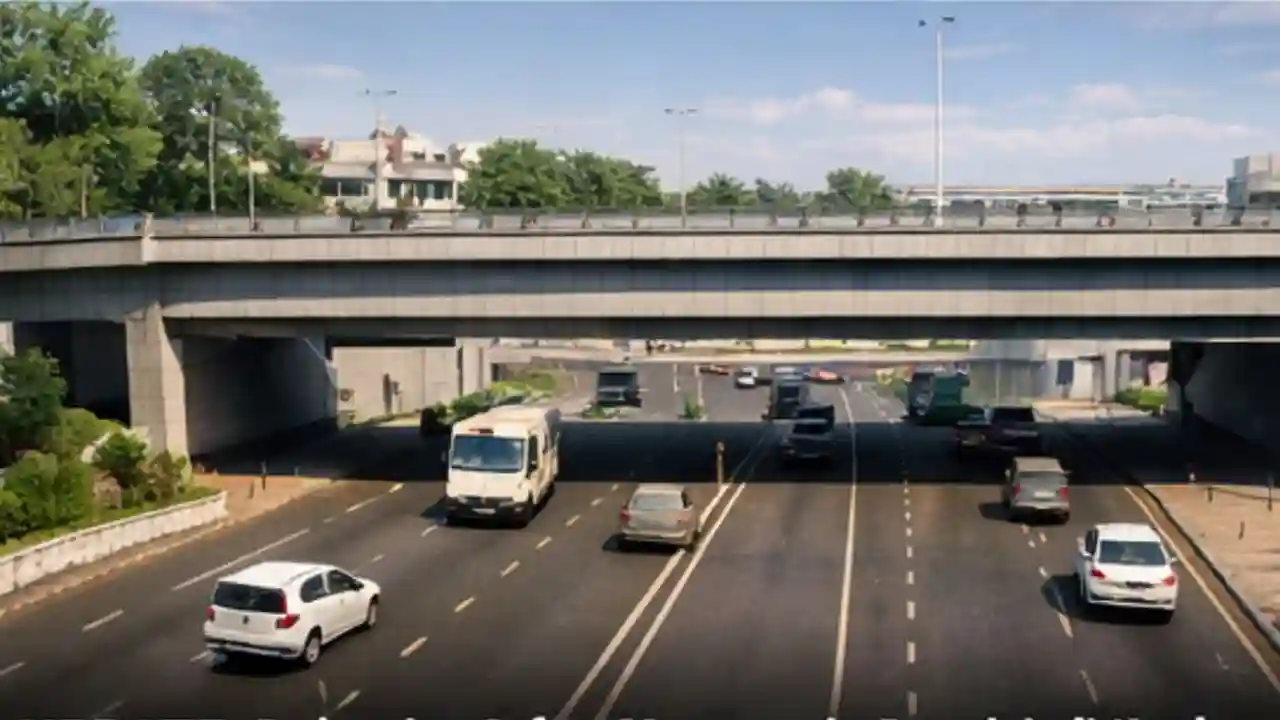
The Rawalpindi Kutchery Chowk Project 2026 is one of the most important urban development and traffic management projects launched for Rawalpindi city. Kutchery Chowk has remained a major traffic bottleneck for years due to heavy court traffic, public transport pressure, and commercial activity.
In 2026, the Punjab government and Rawalpindi Development Authority (RDA) finalized a modern infrastructure plan to permanently resolve congestion, improve road safety, and support the growing population of Rawalpindi.
Why Rawalpindi Kutchery Chowk Needed a Major Project
Kutchery Chowk connects several critical routes including:
- Murree Road
- Jail Road
- I.J. Principal Road
- Saddar and Raja Bazaar routes
Due to this connectivity, the area faces:
- Daily traffic jams during court hours
- Long delays for ambulances and emergency vehicles
- High accident rates
- Encroachments and illegal parking
- Pedestrian safety risks
The Rawalpindi Kutchery Chowk Project 2026 aims to eliminate these long-standing problems through structural redesign.

Rawalpindi Kutchery Chowk Project 2026 – Key Objectives
The main objectives of this project include:
- 🚦 Smooth traffic flow without signal dependency
- 🚗 Reduced travel time for daily commuters
- 🚑 Emergency vehicle priority routes
- 🚶 Safe pedestrian movement
- 🏙️ Modern urban beautification
This project is part of the wider Rawalpindi Traffic Improvement Plan 2026.
Design & Infrastructure of Rawalpindi Kutchery Chowk Project 2026
1. Underpass Construction at Kutchery Chowk
The centerpiece of the project is a multi-lane underpass designed to:
- Allow uninterrupted traffic flow
- Reduce signal waiting time
- Separate through-traffic from local movement
The underpass is engineered to handle heavy vehicles, buses, and daily rush-hour traffic.
2. Signal-Free Traffic Movement
After completion, Kutchery Chowk will operate as a signal-free junction, reducing:
- Fuel wastage
- Traffic congestion
- Noise and air pollution
This is similar to other successful signal-free corridors in Rawalpindi and Islamabad.
3. Service Roads & Slip Roads
The project includes:
- Dedicated service roads for local traffic
- Slip roads for court visitors and nearby markets
- Controlled entry and exit points
This ensures smoother access without disrupting main traffic flow.

Pedestrian & Public Safety Features
The Rawalpindi Kutchery Chowk Project 2026 gives special attention to pedestrian safety:
- Proper footpaths
- Zebra crossings
- Pedestrian underpasses
- Protective barriers
These measures are especially important due to the presence of courts, lawyers’ chambers, and public offices.

Traffic Impact During Construction Phase
During construction, authorities introduced:
- Alternative routes for Murree Road traffic
- Temporary traffic diversions
- Deployment of additional traffic wardens
- Public advisories and signboards
Although temporary inconvenience is expected, officials confirm that traffic flow is being monitored daily to reduce disruption.
Expected Benefits of Rawalpindi Kutchery Chowk Project 2026
1. Reduced Traffic Congestion
After completion, travel time through Kutchery Chowk is expected to reduce by 40–60%, especially during peak hours.
2. Economic & Commercial Boost
- Improved access to Raja Bazaar
- Increased business activity
- Better transport for goods delivery
Local businesses are expected to benefit from smoother mobility.
3. Environmental Improvement
With reduced idling time:
- Carbon emissions will decrease
- Air quality will improve
- Noise pollution will reduce
This supports Punjab’s urban sustainability goals.
Project Cost & Funding Overview
The Rawalpindi Kutchery Chowk Project 2026 is funded through:
- Punjab Annual Development Program (ADP)
- Provincial infrastructure funds
Strict monitoring is in place to ensure transparency, quality control, and timely completion.
Project Timeline & Expected Completion
- Start Phase: Late 2025
- Major Structural Work: 2026
- Expected Completion: End of 2026 (subject to weather & technical factors)
Authorities have instructed contractors to maintain work speed without compromising safety standards.
Impact on Lawyers, Courts & Daily Visitors
Since Kutchery Chowk is a legal hub:
- Special access routes are maintained for courts
- Parking management plans introduced
- Emergency access guaranteed at all times
Lawyers and litigants will benefit significantly once congestion is removed.
Urban Beautification & Landscaping Plan
The project also includes:
- Green belts
- Modern lighting
- Clean road markings
- Anti-encroachment measures
This will improve the overall look of the area and reduce illegal roadside activities.
Public Instructions During Construction
Citizens are advised to:
- Follow traffic police instructions
- Use recommended alternate routes
- Avoid peak hours if possible
- Stay updated via official traffic alerts
Public cooperation plays a key role in project success.
Conclusion: Why Rawalpindi Kutchery Chowk Project 2026 Matters
The Rawalpindi Kutchery Chowk Project 2026 is not just a road project—it is a long-term solution to one of the city’s most critical traffic problems. Once completed, it will improve mobility, safety, economic activity, and overall urban life in Rawalpindi.
This project reflects Punjab’s commitment to modern infrastructure, smart traffic management, and citizen convenience.
FAQs – Rawalpindi Kutchery Chowk Project 2026
1. What is the Rawalpindi Kutchery Chowk Project 2026?
It is a major infrastructure project aimed at eliminating traffic congestion through an underpass and signal-free design.
2. Will traffic signals be removed at Kutchery Chowk?
Yes, the project will convert the junction into a signal-free corridor.
3. How long will construction take?
The project is expected to be completed by the end of 2026.
4. Will courts and lawyers face access issues?
No, special access routes and service roads are included for court-related traffic.
5. What are the main benefits for citizens?
Reduced travel time, safer roads, less pollution, and improved urban infrastructure.