
Petition Filed in Court Against Renaming of 300-Year-Old Road in Punjab
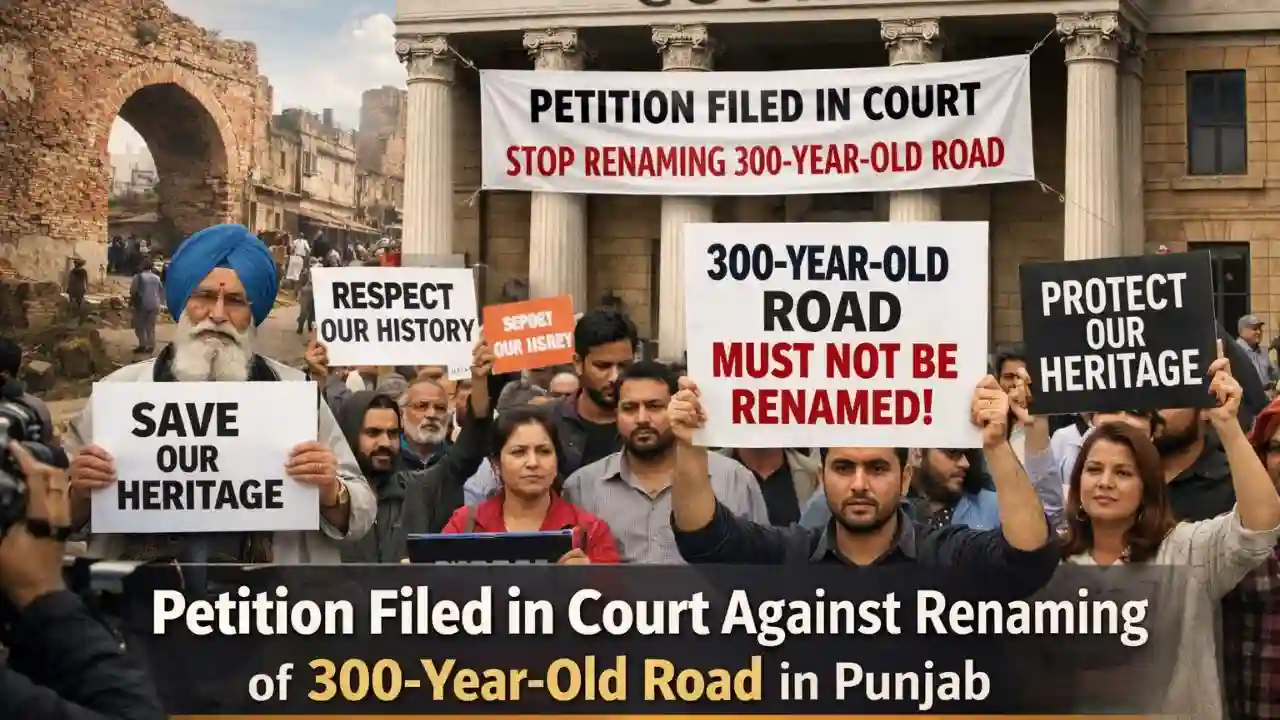
Petition Filed in Court Against Renaming of 300-Year-Old Road in Punjab has been filed in a Punjab court challenging the government’s decision to rename a 300-year-old historic road, sparking a fresh debate over heritage preservation, cultural identity, and administrative authority. The case has attracted public attention as historians, civil society members, and local residents raise concerns about the loss of historical legacy in the name of modernization.
The petition argues that renaming such an ancient road violates cultural rights, ignores historical value, and sets a dangerous precedent for erasing Punjab’s rich past.
Background of the 300-Year-Old Road in Punjab
The road in question is believed to be over three centuries old, dating back to the Mughal or early Sikh era. Over time, it has served as a major route for trade, social movement, and administrative activity. The road’s original name holds deep historical significance and reflects Punjab’s cultural evolution.
According to historians, the road’s name is not merely a label but a symbol of heritage, representing centuries of collective memory, architecture, and social history.

Why the Punjab Government Decided to Rename the Road
Punjab authorities reportedly decided to rename the road as part of a broader initiative to honor a modern personality or align infrastructure with current political narratives. Officials claim the move aims to:
- Promote national or regional heroes
- Modernize urban identity
- Improve branding and recognition
- Align road names with contemporary values
However, critics argue that such decisions were made without proper consultation with historians, heritage experts, or local communities.

Petition Filed in Court: Key Legal Arguments
The petition filed in court challenges the renaming decision on several constitutional and legal grounds. The petitioner maintains that:
- The road is a protected cultural asset
- Renaming it violates citizens’ right to cultural heritage
- The decision lacks transparency and public consultation
- Local government laws were bypassed
The petition urges the court to suspend the renaming order until a full legal and historical review is conducted.

Cultural and Historical Concerns Raised by Experts
Heritage experts have strongly criticized the move, warning that renaming historic roads can permanently damage cultural continuity. They argue that once original names disappear, future generations lose their connection to the past.
Experts emphasize that many developed countries preserve old road names as part of urban heritage conservation, even when cities expand or modernize.

Public Reaction to the Renaming of the Historic Road
Public response across Punjab has been mixed but largely critical. Social media platforms are flooded with debates, with hashtags supporting heritage preservation trending locally.
Local residents have expressed frustration, stating that the road’s original name has been used for generations and is tied to family histories, old property records, and local identity.
Civil society organizations have also announced plans to hold seminars and awareness campaigns highlighting the importance of historical preservation.
Legal Precedents on Renaming Historic Places in Pakistan
Legal analysts point out that Pakistani courts have previously intervened in cases involving cultural and historical assets. In several rulings, courts have emphasized the state’s responsibility to protect heritage under constitutional principles.
The petition references past judgments where courts ordered governments to restore original names or halt changes that threatened historical identity.
Impact of Renaming on Maps, Records, and Daily Life
Renaming a centuries-old road does not only affect history—it also creates practical problems, including:
- Changes in property documents
- Confusion in postal and utility services
- Costs related to updating signage and maps
- Business registration issues
Residents argue that these disruptions were not adequately considered before issuing the renaming notification.
Role of Courts in Protecting Punjab’s Heritage
The judiciary plays a critical role in balancing administrative authority with public interest. Legal experts believe this case could become a landmark judgment on cultural preservation in Punjab.
If the court rules in favor of the petitioners, it may establish guidelines requiring heritage impact assessments before renaming historic places.
Government Response to the Court Petition
Punjab government officials have stated that they will present their legal justification before the court. Sources indicate the government may argue that road naming falls under administrative powers.
However, officials have also hinted that authorities are open to dialogue if the court recommends a consultative process involving historians and citizens.
Why Preserving Historic Road Names Matters
Historic road names act as living archives. They help cities retain identity and educate younger generations about their past. Removing such names risks turning history into footnotes rather than lived experiences.
Cultural preservationists argue that development and heritage can coexist if governments adopt inclusive decision-making processes.
Possible Outcomes of the Court Case
Legal experts suggest several possible outcomes:
- Suspension of the renaming order
- Restoration of the original road name
- Formation of a heritage review committee
- Court-mandated public consultation process
Whatever the outcome, the case is expected to influence future decisions on renaming historic locations across Punjab.
Conclusion
The petition filed against renaming a 300-year-old road in Punjab highlights a growing conflict between modernization and heritage preservation. As the case unfolds in court, it raises fundamental questions about identity, history, and the responsibilities of the state.
The court’s decision will not only determine the fate of one historic road but may also shape how Punjab protects its cultural legacy in the years to come.
FAQs – Petition Against Renaming of 300-Year-Old Road in Punjab
Q1: Why was a petition filed against renaming the historic road?
The petition was filed to protect the cultural and historical identity of a 300-year-old road in Punjab.
Q2: How old is the road mentioned in the petition?
The road is believed to be over 300 years old, dating back to early historical periods.
Q3: Who filed the petition in court?
The petition was filed by a concerned citizen or group advocating for heritage preservation.
Q4: What does the petition demand?
It seeks suspension of the renaming decision and restoration of the original name.
Q5: Can courts stop the government from renaming roads?
Yes, courts can intervene if renaming violates constitutional or cultural rights.