
Punjab Launches Free Laptop Scheme for Private University Students 2025
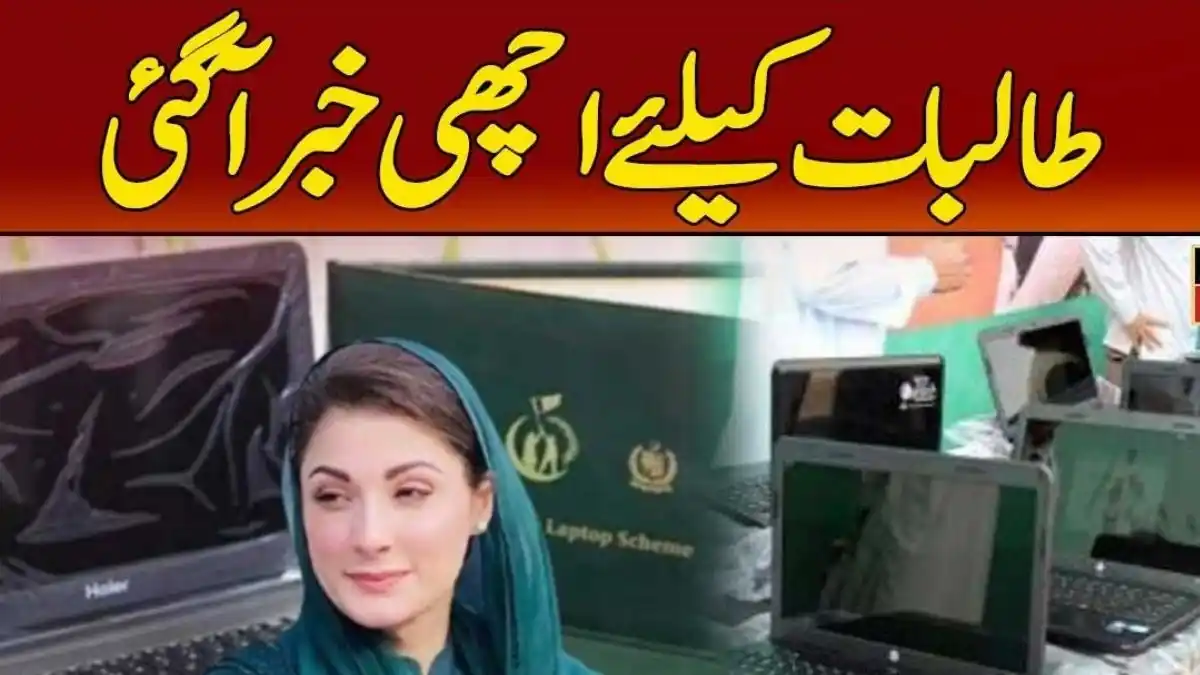
The Punjab government has officially launched a new phase of its Free Laptop Scheme, and for the first time, private university students across the province will also benefit from the initiative. This is a major development in the education sector and is being seen as a move to reduce the digital divide between students of public and private universities.
According to the Higher Education Department (HED), the 2025 phase of the scheme will begin with the distribution of 10,000 laptops, which will be allocated exclusively for private-sector university students. This decision marks a shift in policy, as previous phases focused mainly on public-sector institutions.
The initiative aims to support students in upgrading their academic resources, improving access to digital learning, and ensuring that no student is left behind due to financial or institutional differences. Punjab’s officials believe that this step will strengthen higher education standards and promote inclusivity across the academic landscape.
A First-of-Its-Kind Move for Private University Students
For years, students from private universities had raised concerns about being excluded from the government’s laptop scheme. Many argued that although they study in private institutions, not all come from financially stable families. A large majority rely on scholarships, student loans, or part-time jobs to support their studies.
Recognizing these concerns, the Punjab government finally approved the inclusion of private university students. Officials say the decision reflects changing educational needs and increasing reliance on digital tools for research, assignments, online classes, and skill development.
The move has been widely welcomed by students, parents, and education experts. Many believe that providing access to personal laptops will help students stay competitive in an increasingly digital academic and professional environment.

How to get a free laptop in 2025?
To get a free laptop in 2025 under the Punjab Government scheme, students must apply through the official Higher Education Department portal once applications open. Eligible students must be enrolled in a recognized university in Punjab, maintain strong academic performance—usually 70% marks or an equivalent CGPA—and provide valid documents for verification. Merit lists are prepared based on academic results, and laptops are distributed to top-performing students, with special quotas for female, disabled, and low-income candidates.

What is CM Punjab 10000 scheme?
The CM Punjab 10,000 Scheme refers to the provincial government’s initiative to distribute 10,000 free laptops specifically to private university students for the first time. This program aims to reduce the digital gap between public and private institutions by offering equal access to learning technology. Under this scheme, eligible private-sector students will receive laptops based purely on merit, while reserved quotas ensure fair distribution to students from underrepresented groups.

What is the 25,000 laptop scheme?
The 25,000 Laptop Scheme is a broader national-level initiative commonly discussed in Pakistan, referring to phases where large batches of laptops—often 20,000 to 25,000 units—are distributed to university students to support digital education. These schemes usually follow strict merit-based criteria, requiring high academic performance and enrollment in a recognized higher-education institution. Over the years, such programs have helped thousands of students gain access to essential digital tools for their studies.

First Phase to Distribute 10,000 Laptops
In its first step, the government will distribute 10,000 laptops to deserving students enrolled in recognized private universities. The number is expected to increase in future phases depending on budget allocation and student demand.
The Higher Education Department has already started working on the logistics, including coordination with university administrations, verification procedures, and the creation of an online application portal. Once the system is finalized, the department will release an official announcement detailing how students can apply.
Officials say the first phase will focus on:
- High-performing students with strong academic records
- Students from low-income households
- Disciplines where digital access is most critical, such as IT, engineering, business, and sciences
This targeted approach is designed to ensure that students who truly need a laptop receive one in the earliest round.
Merit Criteria to Remain the Same for All Students
Despite expanding the scheme to private universities, Punjab has made it clear that the merit criteria will remain unchanged. This means all applicants—whether from government or private universities—will be assessed under the same rules.
Key Eligibility Requirements
To qualify for the Free Laptop Scheme 2025, students must:
- Be enrolled in a recognized private university in Punjab
- Have a minimum of 70% marks or an equivalent CGPA in their last examination
- Have a valid student enrolment status at the time of application
- Not have received a laptop under any previous laptop scheme phase
- Be able to provide accurate documentation for verification
Authorities emphasize that only academically strong and genuinely deserving students will be selected. Any false information or incomplete data will lead to disqualification.
Universities will also support the verification process by confirming student enrollment status and academic records.
Reserved Quotas to Support Inclusivity
The government has also confirmed that the scheme will continue its reserved quotas, ensuring equal opportunity for all students. These include:
Female Students
To encourage women’s education and digital participation, a specific quota will be dedicated to female students. This supports the government’s broader agenda of empowering women through technology.
Disabled Students
Students with disabilities will receive priority under a special quota. The goal is to remove barriers that may hinder their academic progress and provide tools that support accessible learning.
Low-Income Students
A separate quota will assist students from financially struggling households. Officials believe that access to digital devices is essential for leveling the playing field, especially for students who cannot afford laptops on their own.
These quotas demonstrate the government’s commitment to ensuring that the scheme benefits the most vulnerable and deserving sections of society.
Bridging the Digital Divide in Higher Education
One of the biggest challenges in Pakistan’s higher education system is unequal access to digital resources. Students from public institutions often receive government support, while private university students—although studying in paid institutions—may not have the same financial capability.
With the rise of online classes, research portals, and digital submissions, laptops have become a necessity rather than a luxury. The COVID-19 pandemic highlighted this gap even more, as thousands of students struggled to attend online classes due to lack of devices.
By expanding the Free Laptop Scheme to private universities, Punjab aims to:
- Reduce educational inequality
- Promote digital literacy
- Support blended and online learning
- Create a more competitive academic environment
- Strengthen the province’s digital infrastructure
Officials say the scheme reflects the province’s long-term vision of producing a technologically skilled youth who can contribute to Pakistan’s digital economy.
How the Scheme Will Work
Although detailed guidelines will be released soon, the general process is expected to follow past practices:
Step 1: Online Registration
Students will complete an online application form with academic details and supporting documents.
Step 2: University Verification
Universities will verify student records, including marks, CGPA, and enrollment status.
Step 3: Merit List Generation
Punjab HED will prepare a merit list based on academic performance and eligibility.
Step 4: Distribution Ceremony
Selected students will receive laptops through organized ceremonies at their respective universities.
Students are advised to keep their academic transcripts, CNIC/B-Form, and university ID cards ready for submission.
Student Response and Expert Opinions
The reaction from the student community has been overwhelmingly positive. Many private university students have expressed relief that they are finally included in a government-supported digital program.
Education experts also praise the initiative, saying it aligns with global trends where governments invest in technology for youth empowerment. They believe that Punjab’s decision will encourage other provinces to consider similar reforms.
Some experts highlight that access to digital devices increases student engagement, improves research quality, and enhances career readiness—all of which contribute to a stronger workforce.
Conclusion
The launch of the Free Laptop Scheme 2025 for private university students marks a significant milestone in Punjab’s educational progress. With 10,000 laptops set for distribution, unchanged merit criteria, and continued reserved quotas, the initiative aims to create equal learning opportunities for all students.
As digital education becomes more necessary than ever, Punjab’s step toward supporting private university students signals a broader commitment to building a modern, tech-empowered youth population.