How Electric Rickshaws Are Changing Urban Transport in Punjab
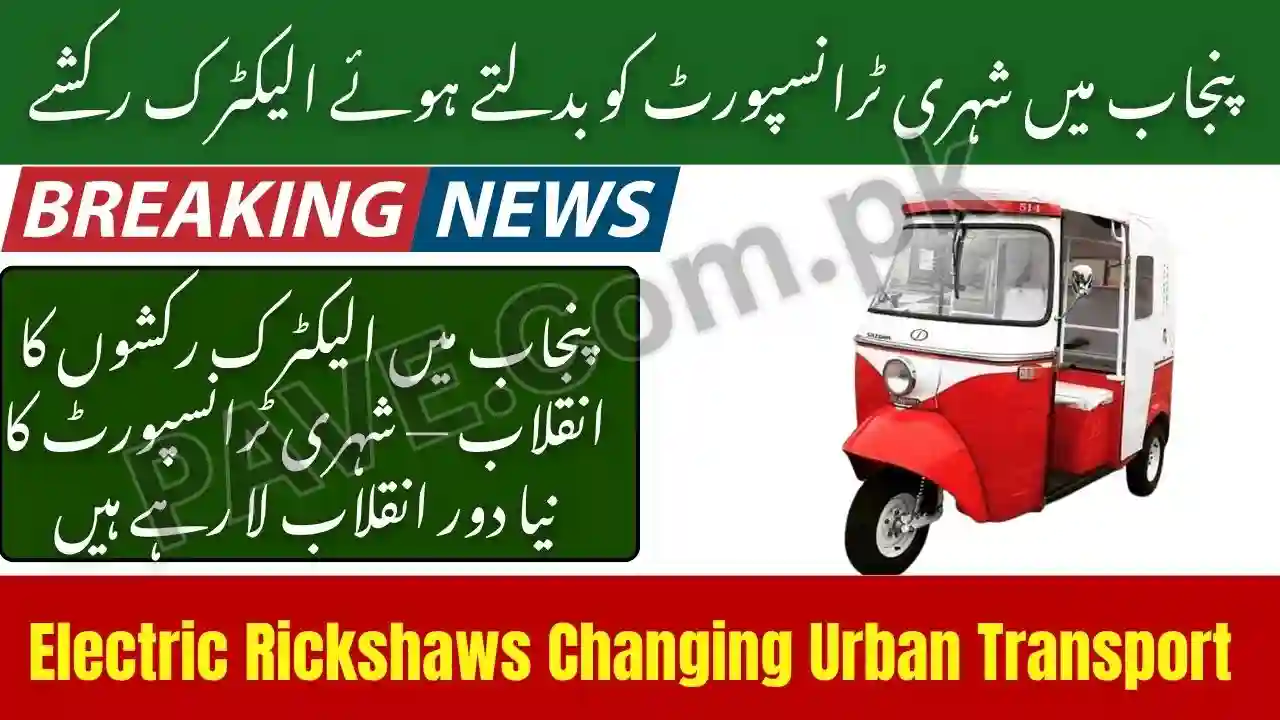
Electric Rickshaws Changing Urban Transport powered by rechargeable batteries instead of petrol or CNG. They operate using electric motors, lead-acid or lithium-ion batteries, and simple electronic controllers, making them cheaper to run and easier to maintain. Unlike traditional rickshaws that rely on expensive fuel, electric rickshaws run on electricity, which significantly reduces operating costs for drivers.
In Punjab, the shift toward electric rickshaws is part of a larger movement toward green mobility, zero-emission transport, and sustainable public transit modernization. Provincial authorities, especially the Punjab Transport Department and Punjab Green Mobility Taskforce, have started promoting EVs for urban transportation, public buses, and ride-hailing fleets.
Why Electric Rickshaws Are Becoming Popular in Punjab
Several factors are driving the rapid growth of electric rickshaws across Punjab:
1. Fuel Prices Are Increasing
As petrol prices continue to fluctuate, drivers struggle to maintain profitability. Electric rickshaws reduce daily fuel costs by 60–80%, making them an attractive alternative.
2. CNG Shortages
Punjab frequently faces CNG load-shedding, especially in winter. Electric rickshaws eliminate dependency on CNG and keep transport systems running smoothly.
3. Low Operating Cost
Electric rickshaws consume only 6–8 units of electricity per charge, costing significantly less compared to petrol-based vehicles.
4. Growing Demand for Eco-Friendly Transport
Environmental awareness is rising. Commuters prefer quieter, cleaner, and smoother rides offered by electric rickshaws.
5. Government Support for EVs
The Punjab government is pushing toward electrification to reduce urban air pollution and meet global climate goals. Several subsidies and registration relaxations are expected under future EV policies.

How Electric Rickshaws Work — Technology Breakdown
Electric rickshaws operate through:
✔ Electric Motor
Usually 850W–1500W BLDC motors
Provides smooth acceleration and silent operation.
✔ Battery Options
- Lead-acid batteries (cheaper but shorter lifespan)
- Lithium-ion batteries (expensive but long-lasting and fast charging)
✔ Controller Unit
Regulates electricity flow from the battery to the motor and ensures smooth performance.
✔ Regenerative Braking (Optional)
Some newer e-rickshaws recover energy when braking, increasing overall efficiency.
✔ Range Per Charge
Most electric rickshaws offer:
- 80–120 km per charge
- 4–6 hours charging time
✔ Charging Method
- Home charging (normal sockets)
- Solar-powered stations
- Public EV charging hubs

Economic Revolution — How E-Rickshaws Improve Driver Earnings
One of the biggest reasons for the growing popularity of electric rickshaws is improved driver profitability.
Daily Fuel Savings (Comparison)
| Type | Daily Fuel Cost |
|---|---|
| Petrol rickshaw | Rs 2,000–3,000 |
| CNG rickshaw | Rs 700–1,000 |
| Electric rickshaw | Rs 120–180 |
Drivers save up to Rs 50,000–60,000 per month, significantly increasing take-home income.
Environmental Impact — Cleaner and Quieter Cities
Electric rickshaws produce:
- Zero tailpipe emissions
- No carbon monoxide or particulate matter
- 40–50% less noise pollution
Punjab cities like Lahore and Faisalabad, which suffer from smog and traffic congestion, benefit greatly from cleaner transport alternatives.

Government Initiatives to Promote Electric Rickshaws
Punjab has taken several steps to support the transition to electric rickshaws:
1. EV Policy for 2–3 Wheelers
The government announced incentives including:
- Reduced registration fees
- Import duty relaxation
- Encouragement for local manufacturing
2. E-Mobility Projects
Punjab Transport Department has initiated:
- Pilot projects for EV rickshaws in Lahore
- Feasibility studies on e-taxi and e-rickshaw fleets
3. Solar Charging Support
Punjab’s solar initiatives will indirectly help electric rickshaw charging, reducing reliance on the main grid.
4. Collaboration With Chinese EV Manufacturers
Several Chinese EV companies have partnered with Pakistani importers to supply affordable e-rickshaws.
Improved Urban Mobility — Better Commuting for Citizens
Electric rickshaws offer a more comfortable, safe, and convenient transportation experience for passengers.
✔ Smoother Ride
Electric motors provide vibration-free, noise-free movement.
✔ Affordable Fare Structure
Drivers save money on fuel, meaning fares remain consistent and affordable.
✔ Ideal for Short-Distance Travel
Electric rickshaws are best suited for:
- School routes
- Office commutes
- Market travel
- Intra-city short trips
✔ Good Alternative to Bikes and Cars
Families prefer electric rickshaws for safety, comfort, and short urban rides.
Charging Infrastructure — The Backbone of Electric Mobility
While electric rickshaws can be charged at home, Punjab is gradually building EV charging networks.
Current EV Charging Sources
- Home charging points
- Private charging hubs
- Solar charging stations (small-scale)
- Industrial workshops offering battery swaps
Future Expansion Plans
Punjab aims to develop:
- EV corridor charging points
- Solar fast-charging hubs
- Multi-vehicle charging stations
Battery Recycling & Sustainability
Punjab needs a safe and efficient battery recycling system to ensure long-term sustainability. Lithium-ion and lead-acid batteries must be disposed properly to avoid environmental harm.
Challenges Facing Electric Rickshaw Adoption
Despite their benefits, some challenges must be addressed:
1. Battery Cost and Replacement
Lithium-ion batteries are expensive, though more efficient.
2. Limited Charging Infrastructure
Punjab needs more public charging stations for seamless adoption.
3. Lack of Government Subsidies
Drivers expect subsidized loans and installment plans.
4. Quality Issues in Cheap Imports
Low-quality electric rickshaws reduce driver confidence.
5. Regulatory Framework
Punjab is still developing its rules regarding:
- Road permits
- Safety inspections
- Standardized manufacturing
Read Also: Breaking News: NADRA Launches Online Biometric Verification for Islamabad Vehicle Transfers
Future of Electric Rickshaws in Punjab (Keyword: Future of EV Rickshaws Punjab)
Electric rickshaws will play a major role in shaping Punjab’s transport future. Expected developments include:
- Fully solar-powered charging hubs
- AI-based fleet management
- Battery swap stations
- Stronger EV manufacturing ecosystem
- Integration with ride-hailing platforms
- Government-backed financing programs
Punjab is moving toward a smart mobility era where electric rickshaws will replace traditional fuel-based transport.
Conclusion — A Green Mobility Revolution Has Started
Electric rickshaws are not just a new vehicle; they represent a major shift toward green, economical, and smart urban transport. Their growth in Punjab reflects the province’s commitment to cleaner air, affordable commuting, and technology-driven mobility solutions. With increasing public acceptance, government support, and economic benefits, e-rickshaws will soon dominate short-distance travel across Punjab’s major cities.
FAQs — Electric Rickshaws in Punjab (Keyword: E-Rickshaw FAQs Punjab)
1. How much does an electric rickshaw cost in Punjab?
Electric rickshaws cost Rs 300,000–600,000, depending on brand and battery type.
2. How long does an electric rickshaw battery last?
A lithium-ion battery lasts 3–5 years, while lead-acid batteries last 1–2 years.
3. How many kilometers can an electric rickshaw travel on one charge?
Most electric rickshaws travel 80–120 km per charge.
4. How long does it take to charge an electric rickshaw?
Charging takes 4–6 hours on a home socket and 1.5–2 hours on fast chargers.
5. Do electric rickshaws reduce fuel costs?
Yes, drivers save up to 80% on daily fuel expenses.
6. Are electric rickshaws safe?
Yes, they are safer due to lower speeds, silent engines, and stable design.
7. Does Punjab government offer any subsidy for electric rickshaws?
As of 2025, no formal subsidy exists, but future EV policies may include financial incentives.