
Pakistan to Install 3,000 EV Charging Stations by 2030 — New National Rollout Plan Approved
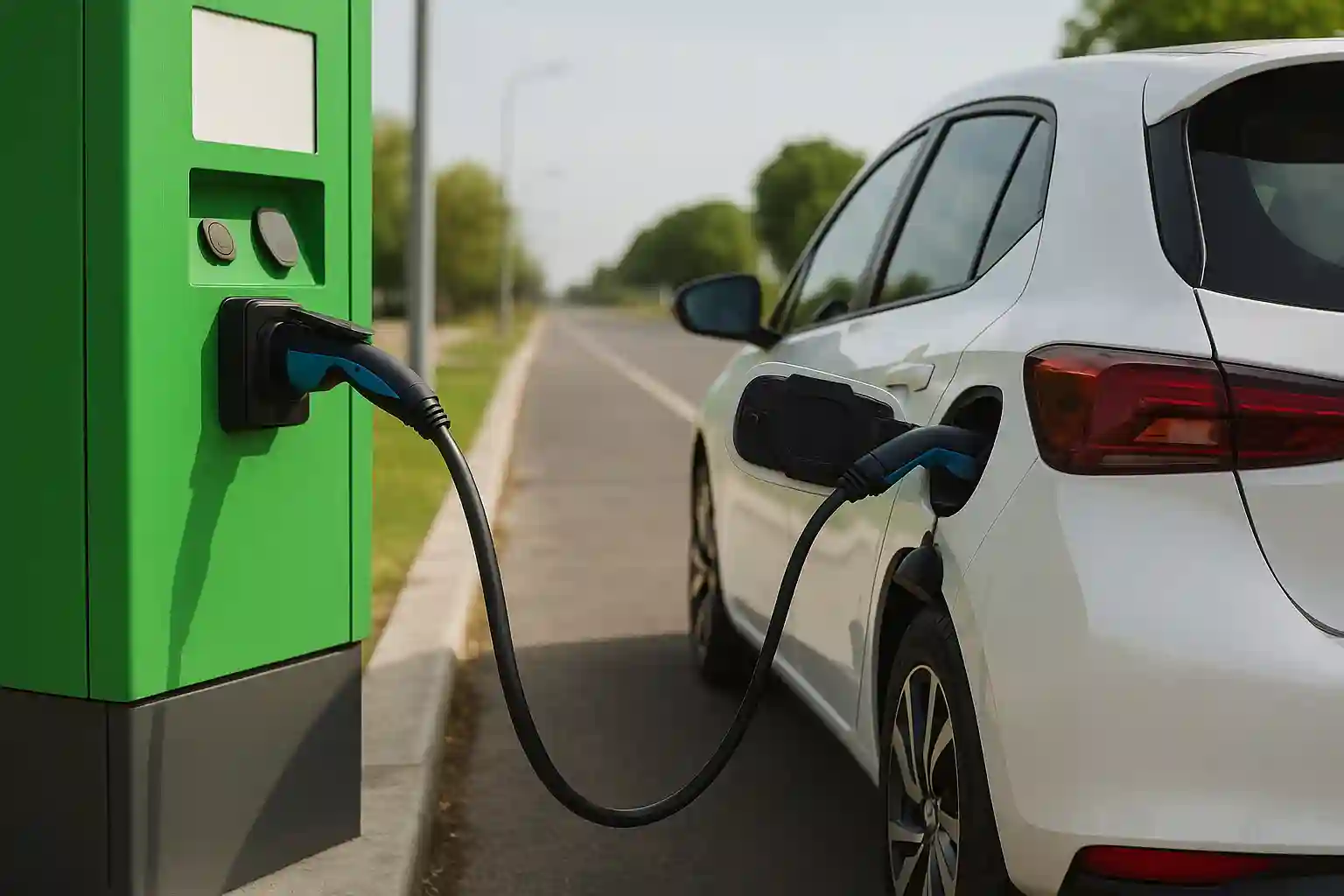
Pakistan has taken a major step toward accelerating its shift to clean and sustainable transportation by announcing a plan to install 3,000 electric vehicle (EV) charging stations across the country by 2030. The move is part of the government’s broader effort to reduce fuel dependency, cut emissions, and prepare the nation for the future of electric mobility.
According to an official document shared with APP, the government has allocated 240 EV charging stations for the current fiscal year, marking the beginning of a phased plan that runs from 2025 to 2030. Private companies will set up these charging stations, while key federal institutions will supervise the rollout to ensure standards, safety, and national coverage.
This initiative aligns with the Draft New Energy Vehicle Policy (NEVP), which aims to support EV adoption throughout Pakistan.
EV Charging Infrastructure: A Key Step Toward Clean Transportation
The transition from fossil fuels to electric mobility cannot succeed without strong charging infrastructure. By announcing a target of 3,000 EV charging stations, Pakistan is placing itself on a path toward modern, sustainable urban planning.
Check Also: Daihatsu TAFT 660cc Jeep 2025 Price in Pakistan – Full Specs & Fuel Average Revealed
The goal is to make EV charging available on:
- Motorways & Highways
- Major Cities
- Industrial Zones
- Commercial Areas
- Housing Societies
- Tourist Destinations
A countrywide network will help address “range anxiety,” which is one of the biggest concerns of potential EV buyers.

Who Will Build These Charging Stations?
The government has clarified that private companies will lead the installation and operation of EV charging stations. These companies will invest in equipment, land, and operations.
Meanwhile, the following federal bodies will oversee planning, regulation, and technical standards:
- Ministry of Industries and Production
- NEECA (National Energy Efficiency and Conservation Authority)
- Ministry of Energy
- NEPRA
- WAPDA & DISCOs (Distribution Companies)
This shared model ensures:
- Faster deployment
- Transparent regulation
- Uniform technical standards
- Safe and efficient installation

72 Licenses Already Issued by NEECA
Since the implementation of the EV Charging Infrastructure and Battery Swapping Stations Regulations (October 24, 2024), Pakistan has seen accelerated progress.
NEECA has already issued 72 licenses to private companies for setting up EV charging facilities.
This shows growing interest from the private sector and signals strong momentum in the EV ecosystem.

Why Pakistan Needs 3,000 EV Charging Stations
Electric vehicles are becoming increasingly popular due to rising fuel prices, climate commitments, and advancements in battery technology. For Pakistan, the benefits of expanding EV charging stations include:
1. Reduced Fuel Import Bill
Pakistan currently spends billions importing petrol and diesel. EV adoption can significantly cut this cost.
2. Improved Air Quality
Big cities like Lahore, Karachi, and Islamabad struggle with smog every winter. EVs reduce pollution drastically.
3. Support for Local EV Industry
More charging stations mean increased demand for:
- Electric bikes
- Electric rickshaws
- Electric cars
- Electric loaders
- EV batteries
- EV maintenance services
4. Job Creation
Thousands of new jobs will emerge in:
- EV station operations
- Electrical installation
- Software management
- Maintenance and repairs
5. Boost to Tourism & Commerce
Charging points at hotels, malls, and highways will make long-distance EV travel practical.

240 Charging Stations Planned for 2025
For the current fiscal year, the government has allocated 240 EV charging stations. These will be installed in phases across all provinces based on:
- Traffic density
- Urban population
- Commercial activity
- Highway routes
The year 2025 will set the foundation for the full-scale rollout planned through 2030.
Part of the New Energy Vehicle Policy (NEVP)
The plan for 3,000 charging stations is a key component of Pakistan’s upcoming New Energy Vehicle Policy, currently in draft form.
The NEVP includes:
- EV purchase incentives
- Charging tariff reforms
- Battery swapping standards
- Local EV manufacturing guidelines
- EV parts localization targets
This policy will shape Pakistan’s EV landscape for the next decade.
How EV Charging Stations Will Accelerate Nationwide EV Adoption
The more accessible and visible EV charging facilities become, the more confident citizens will feel in switching to electric vehicles.
The plan will:
- Encourage EV sales
- Support government-backed EV schemes
- Lower transportation costs for citizens
- Promote eco-friendly commuting
- Ensure Pakistan aligns with global green goals
With 3,000 stations, Pakistan aims to create one of the largest EV charging networks in South Asia.
Challenges That Still Need Attention
While the plan is ambitious, several challenges remain:
1. Grid Upgrades Required
EV charging needs strong electrical infrastructure. Distribution companies must improve capacity to support fast chargers.
2. High Initial Investment
Setting up charging stations is expensive. Private operators must be encouraged through incentives.
3. Need for Fast Chargers
Slow chargers may not meet demand in metro cities. The government must promote high-speed DC fast charging.
4. Public Awareness
People need clear information on:
- Charging costs
- Charging times
- Station locations
- EV maintenance
Awareness campaigns will help speed adoption.
Check Also: Alektra Metro 2-Door and 4-Door EVs Unveiled – Rs 50,000 Discount for Early Bookings
Conclusion – 3000 EV Charging Stations Pakistan 2030 Plan
Pakistan’s decision to install 3,000 EV charging stations by 2030 marks a major turning point in the country’s transportation future. With 240 stations set for installation this year and strong support from government ministries, the plan aims to build a modern, sustainable, and economically beneficial EV ecosystem.
As the EV revolution gains momentum, Pakistan is positioning itself to meet future energy challenges while opening new doors for investment, job creation, and technological innovation.