
16GB RAM Phones Could Disappear Next Year — Here’s What’s Driving the Change
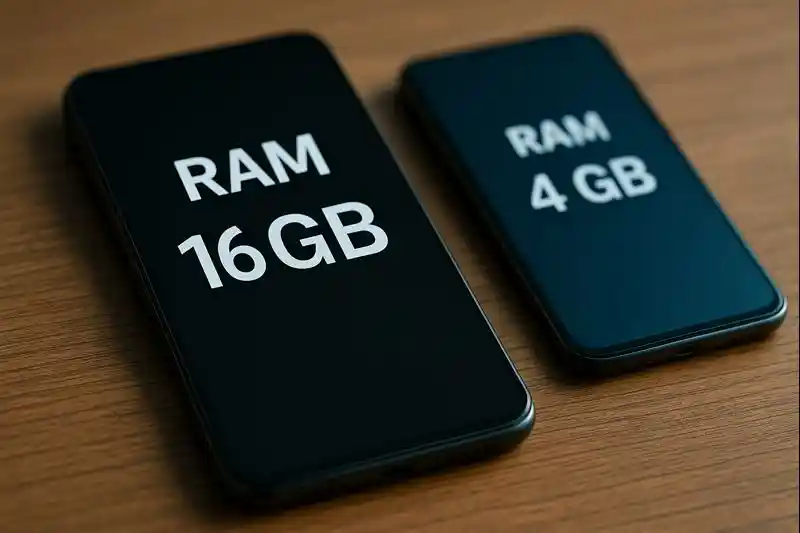
Smartphones have been improving steadily over the past decade. Bigger batteries, better cameras, faster processors, and more RAM have become the norm. For power users, 16GB RAM phones were seen as the next big step toward laptop-level performance.
Due to rising memory prices and a global supply crunch, 16GB RAM smartphones could become rare as early as next year. At the same time, budget phones with 4GB RAM are expected to make a strong comeback, especially in price-sensitive markets. This unexpected shift could change how smartphones are priced, built, and sold worldwide.
The RAM and Storage Price Problem Is Getting Worse
The global tech industry is currently facing a serious memory shortage. Prices of both RAM and storage chips have increased sharply, and experts say the situation will not improve anytime soon.
Memory chips are essential components in smartphones. Any increase in their price directly impacts:
- Manufacturing costs
- Final retail prices
- Hardware configurations
Unlike previous shortages, this one is being driven by long-term demand rather than temporary disruptions. As a result, smartphone brands are under pressure to either raise prices or reduce specifications.

Why 16GB RAM Phones Are at Risk
According to the report, 16GB RAM phones are becoming too expensive to produce at scale.
High-capacity RAM modules require more advanced manufacturing and higher-quality chips. With supply limited and demand increasing, these components are now being treated as premium resources.
As a result:
- Brands are cutting back on 16GB variants
- High-RAM models are being limited to flagship tiers
- Prices for top-end phones are rising
Industry insiders believe 16GB RAM will soon be reserved only for ultra-premium devices, gaming phones, or special editions.

Smartphone Prices Are Already Going Up
The impact of rising memory costs is already visible.
Several flagship smartphones have launched at higher prices than their predecessors, despite offering only minor upgrades. This indicates that manufacturers are passing some of the increased costs on to consumers.
The report also claims that Samsung is planning price hikes for its mid-range smartphones in India, a key market that often influences pricing strategies in other regions.
If a company like Samsung is struggling to absorb these costs, smaller brands may find it even harder.

Budget Phones With 4GB RAM Are Making a Comeback
While premium phones are becoming more expensive, budget devices are heading in the opposite direction.
In price-sensitive markets, manufacturers are expected to avoid price hikes and instead cut hardware costs. The easiest way to do this is by reducing RAM.
As a result:
- 4GB RAM phones will become more common
- Entry-level models may offer fewer variants
- Performance-focused features will be limited
This strategy allows brands to maintain affordable pricing, but it comes at a cost for users.

What This Means for Everyday Users
For average smartphone users, this shift could have noticeable effects.
Phones with lower RAM:
- Struggle with multitasking
- Slow down faster over time
- Receive fewer years of smooth software updates
Apps are becoming heavier, and operating systems require more memory with every update. A phone with 4GB RAM today may feel outdated much sooner than expected.
This makes buyers more dependent on frequent upgrades, increasing long-term costs.
Mid-Range Smartphones Will Also Change
The mid-range segment, which currently offers the best value for money, will not be spared.
The report claims:
- 12GB RAM variants may be reduced by up to 40%
- 6GB and 8GB models will replace them
- Fewer configuration choices overall
This could disappoint users who rely on mid-range phones for gaming, content creation, and heavy multitasking.
Brands may still advertise powerful processors and cameras, but RAM limitations could quietly affect real-world performance.
Different Markets, Different Strategies
Not all regions will see the same changes.
Premium Markets
In wealthier regions, brands are more likely to:
- Increase prices
- Continue offering high-RAM models
- Target enthusiasts and professionals
Price-Sensitive Markets
In markets like South Asia, Africa, and parts of Southeast Asia:
- Brands will avoid price hikes
- Hardware downgrades will be preferred
- Low-RAM phones will dominate sales
This creates a performance gap between regions, even for phones with the same name.
AI Datacenters Are a Major Cause
One of the biggest reasons behind this memory crisis is the rapid expansion of AI datacenters.
Artificial intelligence workloads require massive amounts of:
- HBM (High-Bandwidth Memory)
- GDDR5 and advanced DRAM chips
These same memory technologies are also used in smartphones, GPUs, and other consumer devices.
Since AI companies are willing to pay more, memory manufacturers are prioritizing:
- Datacenters
- AI accelerators
- Enterprise hardware
This leaves fewer resources for smartphone makers, driving prices even higher.
Why Manufacturers Can’t Ignore AI Demand
AI is not a short-term trend. Governments, tech giants, and enterprises are investing heavily in AI infrastructure.
Memory manufacturers are responding by shifting production toward:
- Higher-margin enterprise products
- Long-term contracts with AI firms
For smartphone brands, this means limited bargaining power and fewer options to control costs.
Should You Buy a 16GB RAM Phone Now?
For users considering an upgrade, timing matters.
If you need:
- Heavy multitasking
- Gaming performance
- Long-term software support
Buying a 16GB RAM phone now could be a smart decision.
If the report proves accurate:
- Prices may rise further
- Availability could shrink
- Future models may downgrade RAM
Waiting too long could limit your choices.
What to Look for When Buying a Phone in 2025
As RAM options shrink, buyers should focus on:
- Optimized software
- Efficient processors
- Storage type (UFS 3.1 or better)
- Update policy
A well-optimized 8GB phone may outperform a poorly optimized 12GB model.
Final Thoughts
The smartphone industry is entering a difficult phase. Rising memory prices and AI-driven demand are forcing brands to rethink their strategies.
If current trends continue, 16GB RAM phones could become rare, while 4GB RAM devices return to mainstream markets. This shift may help keep prices stable, but it risks slowing down real-world performance improvements.
For consumers, staying informed and choosing wisely will be more important than ever.